
Event Correlation for Physical Security: Verify Alarms Before Dispatch
Learn how security teams combine cameras, access control, and sensors to verify alarms, reduce false alarms, and deploy event correlation with edge analytics.

Event Correlation for Physical Security: Verify Alarms Before Dispatch

Event correlation security combines cameras, access control, and sensor inputs with edge analytics and a correlation engine so operators receive fewer false alarms and faster verified incidents. For facility owners and security operations teams, this means moving beyond single-sensor alarms toward a system that cross-checks motion, video, and access data before anyone picks up a radio. The recommended approach pairs multi-sensor fusion with edge processing and a central correlation layer tuned to the site's risk profile.
TL;DR:
- Integrate at least three components, such as video analytics, access control, and virtual patrol, before treating an alert as strong evidence.
- Start with two or three trusted rules, then add complex event processing or weighted models only where tuned thresholds still produce costly false alarms.
- Send critical alerts to two people or a staffed security room, while reserving dispatch decisions for human operators when safety or legal consequences are possible.
- Plan conduit and power for future sensors, test integrations under live network conditions, and budget for tuning after normal site activity resumes.
- Protect aggregated video and visitor records with encryption, access by role, audit logs, and retention limits set for your jurisdiction.
Table of Contents
- Why correlation matters: standards, alarm fatigue, and trust signals
- Rule-based, CEP, and model-based fusion: choosing your approach
- What feeds the correlation engine: sensors and systems to integrate
- Building a production-ready deployment: a step-by-step checklist
- Turning correlated events into a working operational playbook
- How machine learning strengthens event correlation methods
- Keeping event correlation systems secure and privacy compliant
- Lessons from the field: what deployments get wrong
- How we help you deploy event correlation that works
- FAQ
- Sources
Why correlation matters: standards, alarm fatigue, and trust signals
Operators who monitor dozens of uncorrelated alarms a shift stop trusting any of them. Sensor asynchrony, where a PIR sensor fires seconds before or after a camera's motion trigger, compounds the problem by making simple rule chains unreliable without timestamp normalization and buffering. Correlation exists to solve exactly this: it turns scattered, low-confidence signals into a smaller number of high-confidence, actionable events.
Regulatory and standards bodies have started to encode this expectation directly into procurement criteria. The IMDA pre-approval guide requires vendors to demonstrate integration across multiple components, including virtual patrol, video analytics, access control, and visitor management, along with mandatory core video analytics functions like intrusion detection and camera tampering. Separately, the ITU-T H.627.3 recommendation documents protocols and interoperability considerations for intelligent video surveillance systems, shaping how correlation engines should talk to the devices feeding them.
Our deployment work sits inside that framework:
- We build multi-sensor fusion directly into our platforms rather than bolting it on afterward.
- Our solutions are designed around the integration expectations that regional pre-approval processes require.
- We treat edge-level verification as a first-class design requirement.
A multi-sensor fusion study on border surveillance found that combining PIR with thermal and RGB video reduced single-sensor false detections and improved detection accuracy significantly, which illustrates why correlation outperforms any single sensor type on its own (MDPI).
Rule-based, CEP, and model-based fusion: choosing your approach
Three technical approaches dominate practical event correlation, and most mature deployments eventually use more than one.
Rule-based systems, built on event-condition-action logic, deliver the fastest wins for perimeter fencing and access control. If a door sensor reports "open" without a preceding valid badge read, the rule fires immediately. These systems are transparent and easy to audit, but they struggle once you need to reason across time windows or multiple zones.
Complex event processing (CEP) addresses that gap by detecting temporal and spatial patterns across sequences of primitive events rather than single triggers. A hierarchical CEP framework can aggregate a fence vibration, a perimeter camera's motion flag, and a PIR activation within a defined window into a single "attempted breach" meta-event instead of three separate alarms (JDL-based CEP research).
Model-based fusion goes further, using weighted maps or Bayesian-style approaches to assign confidence scores based on sensor reliability rather than treating every input equally. Fuzzy decision fusion and multiformalism research shows that Bayesian networks, fuzzy logic, and stochastic Petri nets improve recognition trustworthiness specifically because they handle uncertainty rather than ignoring it.
- Rule-based logic suits perimeter and access control where conditions are binary and well understood.
- CEP suits scenarios with multiple events unfolding over seconds or minutes.
- Model-based fusion suits high-value or high-ambiguity sites where false alarms carry real operational cost.
Pro Tip: Start with rule-based logic for your highest-confidence sensors, then layer CEP or model-based fusion in only where false alarm rates justify the added complexity.
Edge processing fits all three: running core detection logic on the camera or sensor itself cuts the data volume reaching the central engine and speeds up the first verification step, a point our edge thermal analytics work addresses directly.
What feeds the correlation engine: sensors and systems to integrate
A correlation engine is only as good as the inputs it receives, and each sensor type verifies something distinct that the others cannot.
- Video analytics supplies visual confirmation, the single most convincing evidence type for a human operator deciding whether to dispatch a response.
- PIR motion sensors detect movement cheaply and quickly, but on their own cannot distinguish a person from a swaying branch or a passing animal.
- Vibration and fence sensors flag physical contact with a perimeter boundary, catching climb or cut attempts before an intruder reaches open ground.
- Access control logs confirm whether a badge read, PIN entry, or biometric scan authorized a given door event, turning "door opened" into "door opened without authorization."
- Visitor management records add context for scheduled versus unscheduled presence, which matters when correlating a door event against who was expected on site.
- Virtual patrol systems provide scheduled or on-demand verification sweeps that can confirm or rule out an alert raised by other sensors.
The IMDA framework's mandatory core video functions—intrusion detection and camera tampering—map directly onto correlation use cases: a tamper alert combined with a dropped camera feed should immediately escalate regardless of what other sensors report. Guidance consistently points toward integrating at least three of these components for any single alert type. A fence vibration alone is weak evidence; a fence vibration confirmed by a camera and cross-checked against access logs showing no authorized entry is strong enough to justify dispatching a guard. For a deeper look at how these pieces fit together, see our multi-sensor integration explainer.
Building a production-ready deployment: a step-by-step checklist
Rolling out event correlation security well requires sequencing decisions correctly before any hardware goes on the wall.
- Run a site survey that maps sensor diversity needs and lays conduit and power for sensors you may add later, since retrofits cost far more than planning ahead.
- Decide edge versus central processing for each function, keeping mandatory core functions like intrusion and tamper detection running locally wherever possible.
- Check integration points across your VMS, access control system, visitor management platform, and virtual patrol tool, confirming ONVIF or equivalent standards compliance before committing to hardware.
- Set alert routing with redundancy, sending critical alerts to at least two separate personnel or a staffed security room, consistent with SCDF security guidance on redundant notification.
- Write clear SOPs and escalation paths so operators know exactly what evidence level triggers a dispatch versus a log-only entry.
- Test, tune, and support post-deployment, since false alarm thresholds that looked right on paper rarely survive first contact with real foot traffic and weather.
Pro Tip: Budget for a tuning window after go-live to adjust the correlation thresholds. Correlation thresholds set during a quiet installation period almost always need adjustment once normal site activity resumes.
Networking hardening deserves its own attention during this phase; our camera network security steps cover the practical measures installers should not skip.
Turning correlated events into a working operational playbook
Correlation only has value once it changes what operators actually do. The event lifecycle should move from raw sensor trigger, to correlated meta-alert, to human verification, to dispatch or dismissal, with each stage logged for later tuning.
Verification thresholds matter most here. A single PIR trigger should rarely justify automated escalation, but a PIR trigger confirmed by video analytics and an unauthorized access log entry typically should. Dual notification, sending the same critical alert to two recipients, satisfies the redundancy expectation found in public safety guidance and prevents a single missed call from derailing a response.
- Track false alarm rate as your primary tuning metric, since it directly predicts operator trust.
- Track median verification time, the gap between trigger and human confirmation.
- Track percent of confirmed incidents, which shows whether correlation logic is actually separating signal from noise.
Fence vibration sensors combined with camera confirmation can reduce false perimeter alarms substantially, a pattern consistent with the fusion accuracy gains reported in border surveillance research, where layered sensing cut single-sensor false detections.
How machine learning strengthens event correlation methods
Machine learning adds the most value where rule-based logic runs out of room, specifically in weighting uncertain or conflicting inputs. Rather than a fixed threshold deciding whether a motion event qualifies as suspicious, a trained model can weigh historical patterns, time of day, and sensor reliability simultaneously.
Video analytics models now commonly classify object types (person, vehicle, animal) before an event ever reaches the correlation engine, cutting the volume of nuisance alerts that rule-based systems would otherwise pass along unfiltered. This classification step is part of what IMDA's mandatory core analytics functions are built to standardize.
Vision language models extend this further by supporting exception-based monitoring: instead of an operator watching every feed continuously, the system surfaces only events that deviate from an established pattern, letting trained staff focus attention where it matters. This shifts the operator's role from constant scanning to reviewing a shorter, higher-confidence queue.
Weighted fusion approaches, including linear opinion pools and Bayesian-style confidence scoring, let a correlation engine favor more reliable sensors automatically rather than treating every input as equally trustworthy. Border surveillance fusion research demonstrates this principle in practice, showing that reliability-weighted sensor combinations outperform naive equal-weighting schemes.
None of this replaces operator judgment. Model-driven correlation narrows the field of events worth a human look. It does not and should not make the final dispatch decision on its own, particularly for incidents with legal or safety consequences.

Keeping event correlation systems secure and privacy compliant
A correlation system that aggregates video, access logs, and visitor data becomes a concentrated store of sensitive information, which raises its own security and privacy obligations distinct from the physical threats it detects.
Network segmentation between sensor devices, the correlation engine, and general office IT reduces the blast radius if any single device is compromised, a principle our own camera network hardening guidance walks through in detail. Encrypting data both at rest and in transit between edge devices and the central platform is a baseline expectation, not an optional upgrade.
Access control standards that police the physical site should extend to the correlation platform itself: role-based access, audit logging of who viewed which recording, and retention limits aligned to your jurisdiction's requirements. Building security guidance reinforces that video surveillance should never be the sole safeguard and must interoperate with access control and intrusion detection under a coherent governance model, which implies governance of the data those systems generate as well.
Visitor management data deserves particular care since it often includes names, photos, and ID details tied to specific visit times. Retention policies should state clearly how long that data persists and who can query it, and correlation engines should log their own queries so an audit trail exists if data handling is ever questioned.
Lessons from the field: what deployments get wrong
The deployments that struggle almost always skipped infrastructure planning early on. Conduit and power for sensors you have not installed yet cost a fraction of what a retrofit costs once walls are finished and tenants are in place.
The second pattern: teams that start with ten correlation rules on day one spend months fighting false positives they could have avoided by starting with two or three and expanding once those are tuned. A small rule set you trust beats a comprehensive one you have to override.
Interoperability testing deserves more respect than it gets. A sensor that passes its own bench test can still fail silently once connected to a live VMS under real network conditions, so test the integration, not just the device.
— Eumir
How we help you deploy event correlation that works
We built BeyondWatch and BeyondPatrol around the integration expectations this article describes: video analytics, access control, and virtual patrol working together rather than sitting in separate dashboards. For visitor data handling, BeyondVisitor applies the same correlation logic to scheduled and unscheduled presence.

Whether you are a system integrator planning a rollout or a facility owner replacing aging point sensors, we offer a few concrete starting points:
- Our Solution Integration service maps your existing VMS, ACS, and visitor systems into one correlation layer.
- SI Channel Enablement supports integrators who want to offer correlated event detection without building it from scratch.
- Ecosystem Matchmaking connects your site requirements to the right sensor mix before procurement begins.
For teams evaluating broader operational observability alongside physical event correlation, the Opsphere platform offers a complementary perspective on correlating alerts and reducing noise across infrastructure and application layers.
Reach out through our integration services page to scope a pilot for your site.
FAQ
What is event correlation security in physical deployments?
Event correlation security combines signals from cameras, access control, motion and vibration sensors, and visitor management systems to confirm whether a triggered alarm reflects a genuine incident. It reduces reliance on any single sensor and gives operators higher-confidence, actionable alerts rather than raw triggers.
How many systems should I integrate for reliable correlation?
Guidance from the IMDA pre-approval framework calls for integration across multiple components, and practical deployments typically combine at least three, such as video analytics, access control, and virtual patrol, before treating an alert as strong evidence.
Should alerts go to one person or multiple recipients?
Security guidance recommends routing critical alerts to at least two separate personnel or a staffed security room to build in redundancy, as outlined in SCDF security guidelines. A single point of notification risks a missed response if that person is unavailable.
Does adding more sensors always reduce false alarms?
Not automatically. Fusion research on border surveillance found that false alarm reduction depends more on sensor placement and fusion threshold tuning than on raw sensor count, and poorly tuned systems with more sensors can generate more noise, not less.
Can BeyondSensor help with an existing multi-vendor security setup?
Yes, our Solution Integration and Ecosystem Matchmaking services are built specifically to connect mixed-vendor cameras, access control, and sensor hardware into one correlation layer rather than requiring a full hardware replacement.
Sources
- Fusion of Heterogenous Sensor Data in Border Surveillance
- Surveillance and Analytics | Pre-Approval ICM Vendor Guide
- Guidelines for Required Security Measures at Facilities Storing Tier 1 Security Sensitive Materials/Hazardous Materials
- Recommendation ITU-T H.627.3 (12/2022) - Protocols for intelligent video surveillance systems
Recommended
Read More Articles
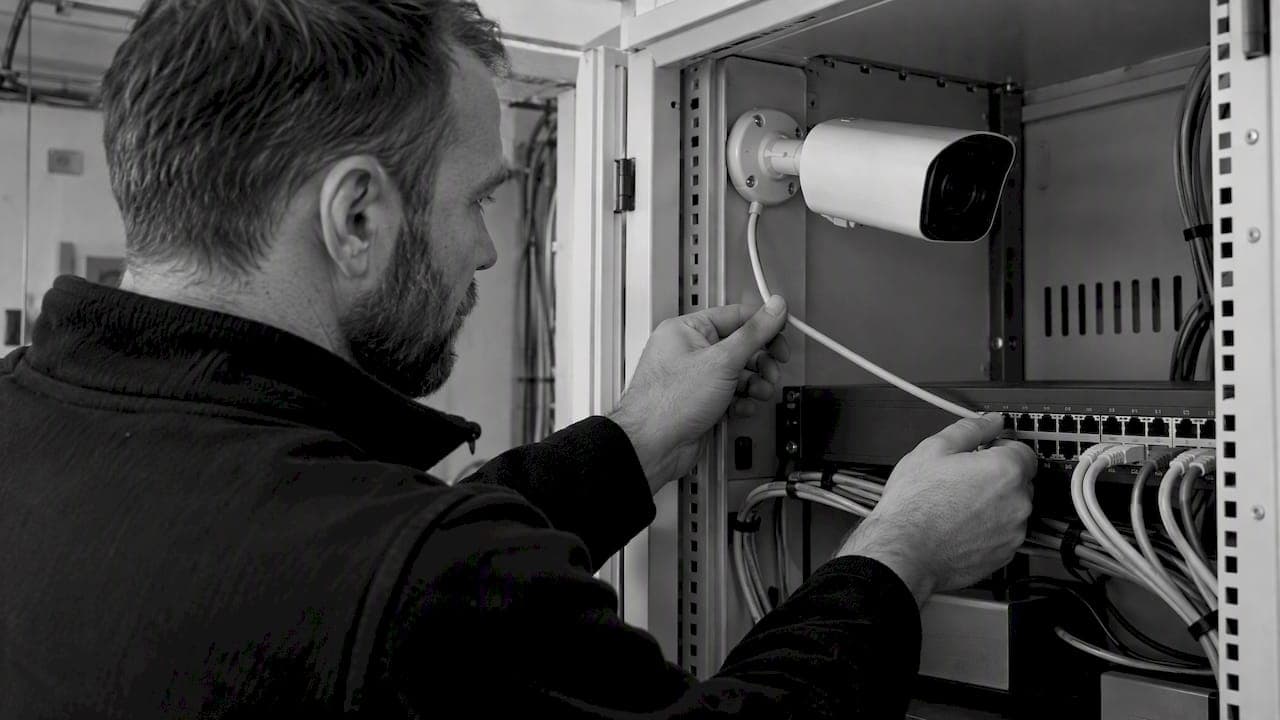
RTSP Security Risks: Integrators Must Block Exposed Ports 554 and 8554
See how integrators can reduce RTSP security risks: close exposed ports 554 and 8554, secure camera access, and verify each deployment with practical checks.

Require MAEpp and X Accuracy Before You Buy People Counting Systems
Verify people counting accuracy by demanding MAEpp, X Accuracy, and directional-bias reports. Validate on-site with at least 100 events per direction...
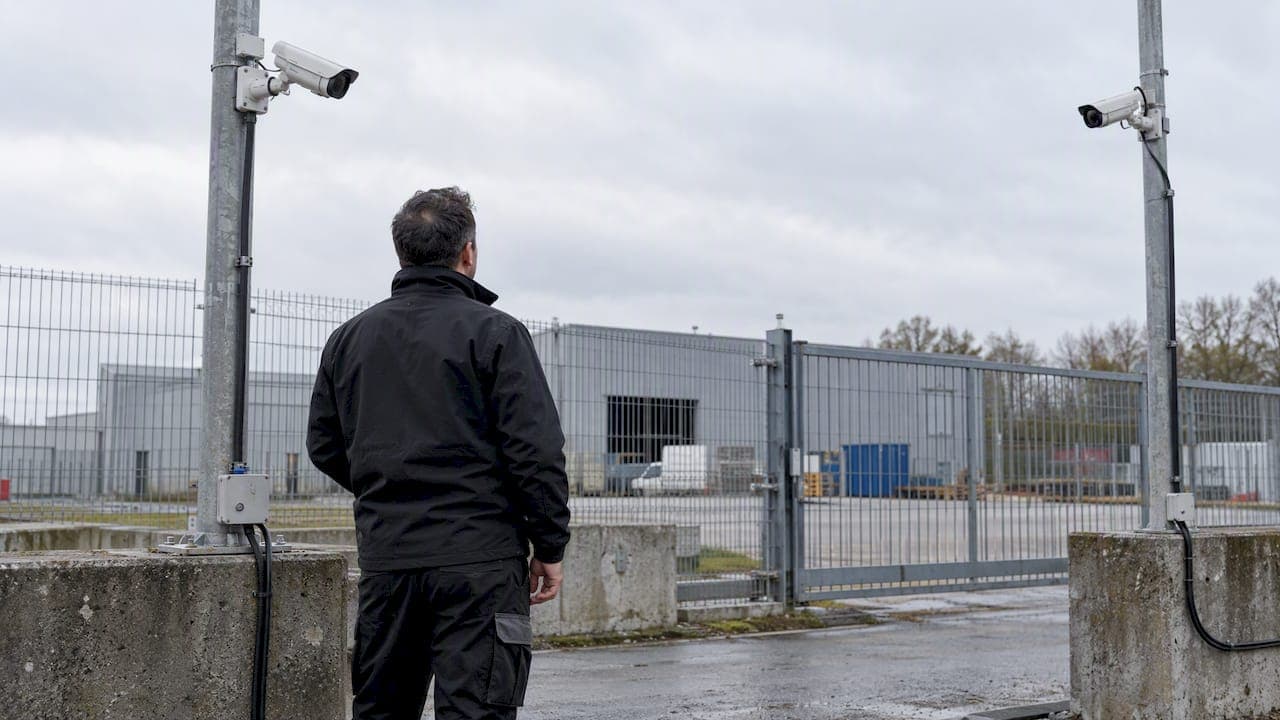
30–90 Day Pilot Validates Redundant Camera Networks for Engineers
Standards led, practical steps for engineers to deploy redundant camera networks: MRP, dual homing, and aggregation patterns, commissioning checks, and...
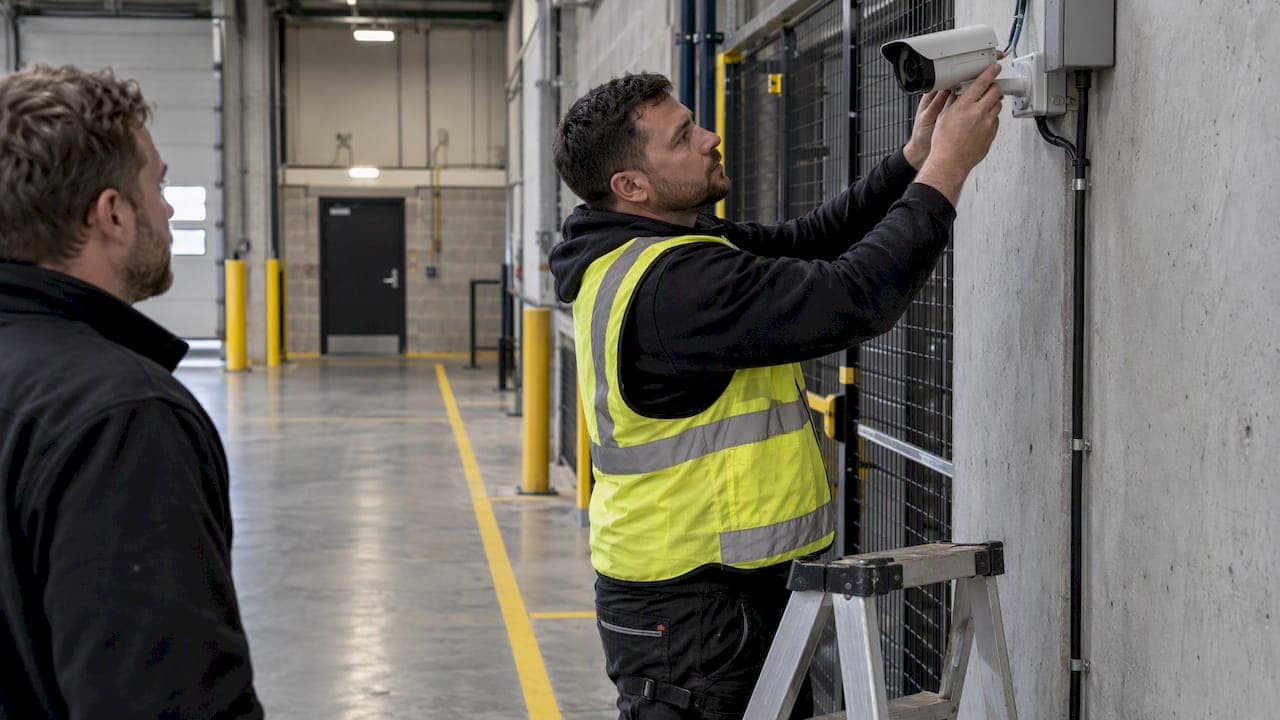
30 Day Pilot Proves Video Analytics Accuracy for Security Teams
Validate video analytics accuracy with scenario tests, camera tuning, transfer learning and a 30 day edge first pilot for security teams.
Let's Build YourSecurity Ecosystem.
Whether you're a System Integrator, Solution Provider, or an End-User looking for trusted advisory, our team is ready to help you navigate the BeyondSensor landscape.
Direct Advisory
Connect with our regional experts for tailored solutioning.