
Validate video analytics accuracy with scenario tests, camera tuning, transfer learning and a 30 day edge first pilot for security teams.
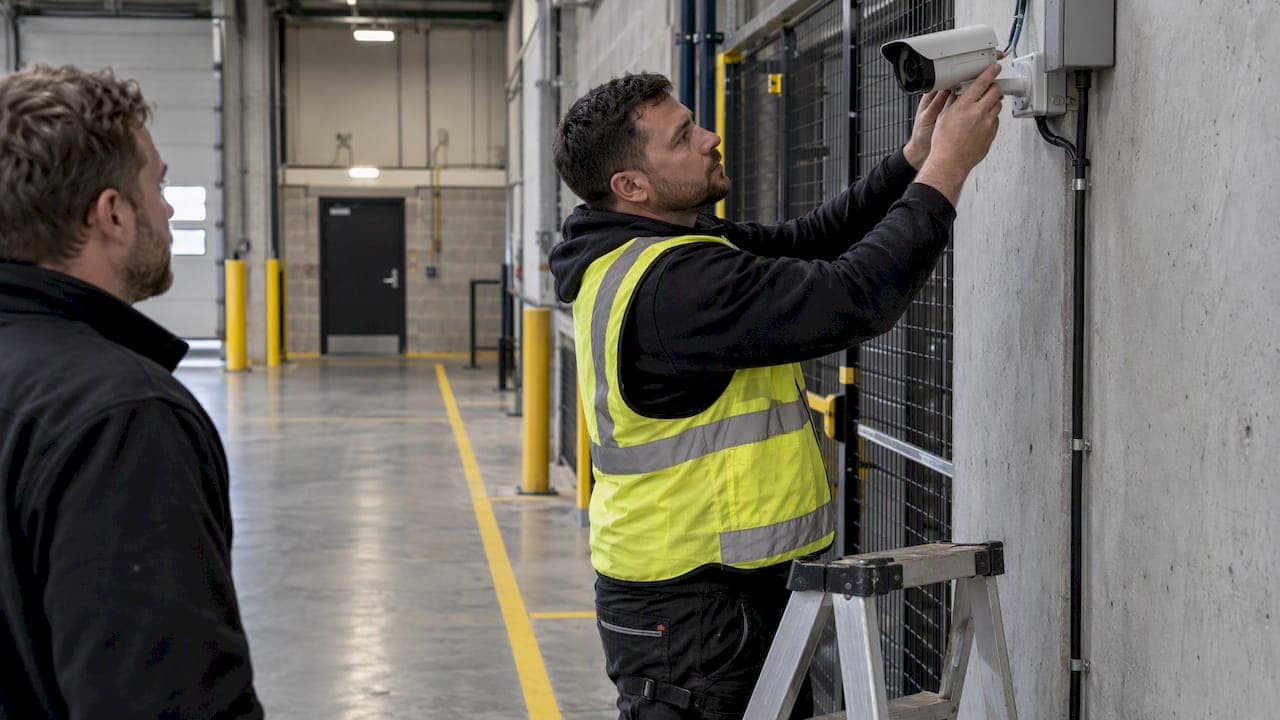
30 Day Pilot Proves Video Analytics Accuracy for Security Teams

Video analytics accuracy is not a single percentage. It is a trade-off between recall and precision, shaped by camera settings, data quality, model training, and deployment choices. The practical drivers break down into five categories: camera behavior, environment, compression, model fit, and deployment architecture. Targeted testing and deliberate configuration, not vendor specification sheets, produce the most reliable gains.
TL;DR:
- Accurate video analytics depends heavily on camera settings; automatic gain, exposure, and white balance shifts can cause inconsistent detection results.
- Scenario-based testing is essential; single accuracy figures do not reflect performance across lighting, crowd, or distance conditions.
- Edge, cloud, and hybrid processing each have unique strengths and vulnerabilities, with validation crucial for compressed models to maintain accuracy.
- Proper site-specific retraining, threshold tuning, and regular revalidation are critical to sustain detection performance over time.
- Conducting short pilot tests that cover real-world conditions provides a more reliable measure of accuracy than vendor claims.
Table of Contents
- 1. Technical factors behind accuracy variation
- 2. How accuracy is actually measured and benchmarked
- 3. Edge vs cloud vs hybrid: which protects accuracy?
- 4. Practical mitigations integrators can apply today
- 5. Commissioning and validation: a field test plan
- 6. What a real-world pilot showed us
- Why procurement teams keep getting this wrong
- How we help teams validate and deploy accurate analytics
- FAQ
- Sources
- Key standards and research worth reading
1. Technical factors behind accuracy variation
Most accuracy problems trace back to the camera itself before they ever reach the model. Automatic gain control, exposure ceilings, and white balance constantly readjust in response to light changes, and each adjustment shifts the pixel statistics the analytics engine depends on. Research into camera-induced fluctuations shows that these automatic parameters behave like an unintentional adversary, degrading detection consistency even on a completely static scene.

Lighting changes, occlusion, and scene complexity push recall and precision in opposite directions. A crowded scene tends to raise false negatives as targets overlap, while harsh backlighting raises false positives as shadows get misread as motion. Compression settings compound the problem: aggressive bitrate reduction, long GOP structures, and inconsistent frame rates all strip the temporal detail that detection models rely on for stable tracking.
A deeper issue is model mismatch. Many analytics engines start life as image classifiers fine-tuned for video, but static-image training never teaches a model to handle motion blur, frame-to-frame exposure shifts, or temporal continuity.
- Camera automation: AGC, exposure, and white balance shifts alter input statistics frame by frame.
- Scene conditions: lighting, occlusion, and crowd density change recall and precision independently.
- Compression: low bitrate, long GOPs, and variable frame rate introduce detection instability.
- Model lineage: image-trained models miss temporal cues that video-native training captures.
2. How accuracy is actually measured and benchmarked
Vendors like to quote a single accuracy figure, but security teams need precision, recall, and F1 scores broken out by scenario. Precision measures how many alerts were genuine; recall measures how many genuine events were caught. F1 balances the two, but it can mislead when the operational role demands a different balance.
- Precision: the share of triggered alerts that were real events.
- Recall: the share of real events the system actually caught.
- F1 score: the harmonic mean of both, useful only when read alongside the role it serves.
The NIST AITE visual event detection guidance defines a detection cost function that weighs misses against false alarms, setting a high miss-to-false-alarm cost ratio in public safety testing to reflect how much more expensive a missed event is than a nuisance alert. That single ratio should guide how a team sets alert thresholds for perimeter breaches versus routine motion logging.
The i-LIDS user guide applies a similar logic through role-based recall bias, and several of its scenarios require an overall F1 acceptance performance threshold at commissioning. Report metrics per scenario, not as one blended number: lighting condition, crowd size, and camera-to-subject distance each deserve their own line in the test log.
3. Edge vs cloud vs hybrid: which protects accuracy?
Where analytics processing happens changes what fails and when. Edge processing keeps raw video local, which cuts latency and reduces exposure to network interruption, but it forces a trade-off between model size and the compute budget available on the device. Cloud processing can run larger, more accurate models but introduces transmission delay and depends on bandwidth that is rarely guaranteed on a congested site network. Hybrid designs split the difference, running lightweight detection at the edge and reserving cloud resources for deeper analysis or forensic review.
- Edge: low latency, resilient to network loss, constrained by on-device compute.
- Cloud: supports larger models, adds transmission delay, depends on bandwidth stability.
- Hybrid: edge prefiltering reduces cloud load while preserving detection depth for flagged events.
Naive compression to fit a model onto edge hardware, through aggressive pruning or quantization, can quietly erode accuracy if it is not validated against real footage after the fact. Partitioned pipelines, where simple motion detection runs on-device and only confirmed events pass to a heavier model, tend to preserve accuracy better than shrinking one model to fit everywhere.
Pro Tip: Validate any pruned or quantized edge model against the exact camera feeds it will run on, not a generic test set, before locking in thresholds.
4. Practical mitigations integrators can apply today
Accuracy problems are rarely solved by replacing cameras. Most are solved by tuning what is already installed and retraining the model on footage from the actual site.
- Lock down camera automation. Constrain or disable AGC where lighting allows, set a defined exposure ceiling, and confirm white balance settings match the scene rather than drifting with every cloud pass.
- Choose lens and field of view deliberately. Match focal length to the detection distance required; a wide-angle lens covering too much ground reduces the pixel density available for reliable detection.
- Retrain on in-situ video. Quick transfer-learning fine-tuning using representative site footage reduces frame-to-frame fluctuation and has been shown in controlled experiments to cut object-tracking mistakes by roughly 40 percent.
- Protect the encoding pipeline. Avoid stacking aggressive compression on analytics-critical streams; maintain bitrate and keyframe frequency high enough to preserve the temporal detail detection depends on.
- Tune thresholds by zone and role. A loading dock and a server room need different sensitivity settings; apply per-camera thresholds rather than one global value.
- Schedule retraining. Seasonal light changes and foliage growth shift scene statistics over months, so treat model refresh as a recurring maintenance task, not a one-time setup step.
Pro Tip: Re-run your exposure ceiling test after any firmware update. Camera manufacturers occasionally reset automatic parameters during updates without flagging it.
5. Commissioning and validation: a field test plan
A short, structured pilot beats a long argument about vendor claims. Build ground-truth scenarios that cover the lighting, occlusion, and crowd conditions the site will actually face, then measure against them rather than a lab demo reel.
- Design scenarios. Capture footage across time-of-day lighting changes, partial occlusion, and varying crowd density.
- Measure per scenario. Compute precision, recall, and F1 separately for each condition, logging detection timestamps and latency alongside the scores.
- Run a live pilot. A 2 to 4 week live trial, or a 30-day edge-first pilot, surfaces failure modes that a short demo never reveals.
- Set acceptance criteria tied to role. An operational alert feed tolerates lower precision for higher recall; an evidentiary recording feed needs the opposite balance.
| Scenario | Primary metric to track | Why it matters |
|---|---|---|
| Low light / night | Recall | Missed detections rise as contrast drops |
| Dense crowd | Precision | Overlapping targets raise false positives |
| Long distance | F1 per distance band | Pixel density drops detection confidence |
| Variable frame rate | Detection latency | Instability shows up as delayed or duplicate alerts |
6. What a real-world pilot showed us
We ran a 30-day edge-first AI video analytics pilot to validate detection performance against live site conditions rather than lab footage, measuring recall and false-alarm rate across lighting and distance scenarios over the full period.
- License plate recognition improved from a baseline of 67% to 99.4% accuracy in our internal testing, a documented outcome from scenario-based tuning rather than a lab benchmark.
- Edge Fusion combined multiple sensor feeds to reduce single-camera blind spots, an applied example of multi-sensor analytics working together.
- Crowd counting held stable accuracy across density changes once scenario-specific thresholds replaced a single global setting.
Any vendor claiming an accuracy figure should be able to show the same kind of scenario-based evidence, not a single aggregate number.
Why procurement teams keep getting this wrong

Security teams default to comparing vendor-quoted accuracy percentages, and that habit sets up the wrong decision before the pilot even starts. A number without the scenario behind it tells you almost nothing about how a system will behave at dusk, in a crowded lobby, or on a congested network link.
Three priorities matter more than any spec sheet: insist on scenario-based tests over marketing claims, tune alert thresholds by operational role so recall-heavy feeds do not drown teams in alert fatigue, and build a maintenance plan for model refresh from day one. Accuracy earned at commissioning decays without revalidation.
— Eumir
How we help teams validate and deploy accurate analytics
We built our work around the same principle this guide argues for: accuracy comes from scenario-based testing, not a spec sheet. Through Solution Integration, we help system integrators commission analytics against the actual lighting, distance, and crowd conditions a site will face, rather than a generic demo.

For teams still deciding where analytics processing should live, our 30-day edge-first pilot structure gives a documented, time-boxed way to measure recall and precision before committing to a platform. We also support regional partners through SI Channel Enablement, helping integrators bring validated, scenario-tested deployments to their own clients.
- Run a scenario-based pilot before locking in thresholds or hardware.
- Get integration support tailored to your site's lighting, distance, and crowd conditions.
- Access channel enablement if you deploy analytics for multiple clients.
Start a conversation about your deployment through Ask Beyond.
FAQ
Are YouTube video analytics accurate?
YouTube's analytics track platform engagement metrics like views and watch time, which is a different discipline from security video analytics, which measures detection accuracy against physical events. The two should not be compared or confused when evaluating a security system.
Is video analytics AI?
Modern video analytics relies on AI models, typically computer vision systems trained to detect, classify, and track objects or events in footage. Accuracy depends heavily on how that model was trained and how well it matches the camera and environment it runs on.
How does video analytics work?
A video analytics pipeline captures frames from a camera, runs them through a detection model, and flags events based on configured thresholds for the operational role in use. Camera settings, compression, and lighting all shape the input the model actually sees, which is why accuracy varies by site even with identical software.
What is CCTV with video analytics?
CCTV with video analytics adds automated detection and classification on top of a standard camera feed, turning raw footage into actionable alerts instead of requiring constant manual review. Accuracy in this setup depends on camera configuration, scene conditions, and how well the detection model was tuned for that specific deployment.
Sources
- Imagery Library for Intelligent Detection Systems The i-LIDS user guide
- NIST AITE visual event detection guidance (AITE visual event detection test)
- Why is the video analytics accuracy fluctuating, and what can we do about it?
- AR as an evaluation playground: bridging metric and visual perception of computer vision models
Key standards and research worth reading
For teams building their own test plan, the i-LIDS user guide and NIST AITE visual event detection guidance set the benchmark structure this article draws on. The research on camera-induced fluctuations and perception-centered evaluation explains why numeric metrics alone can miss real-world failures.
Recommended
Read More Articles
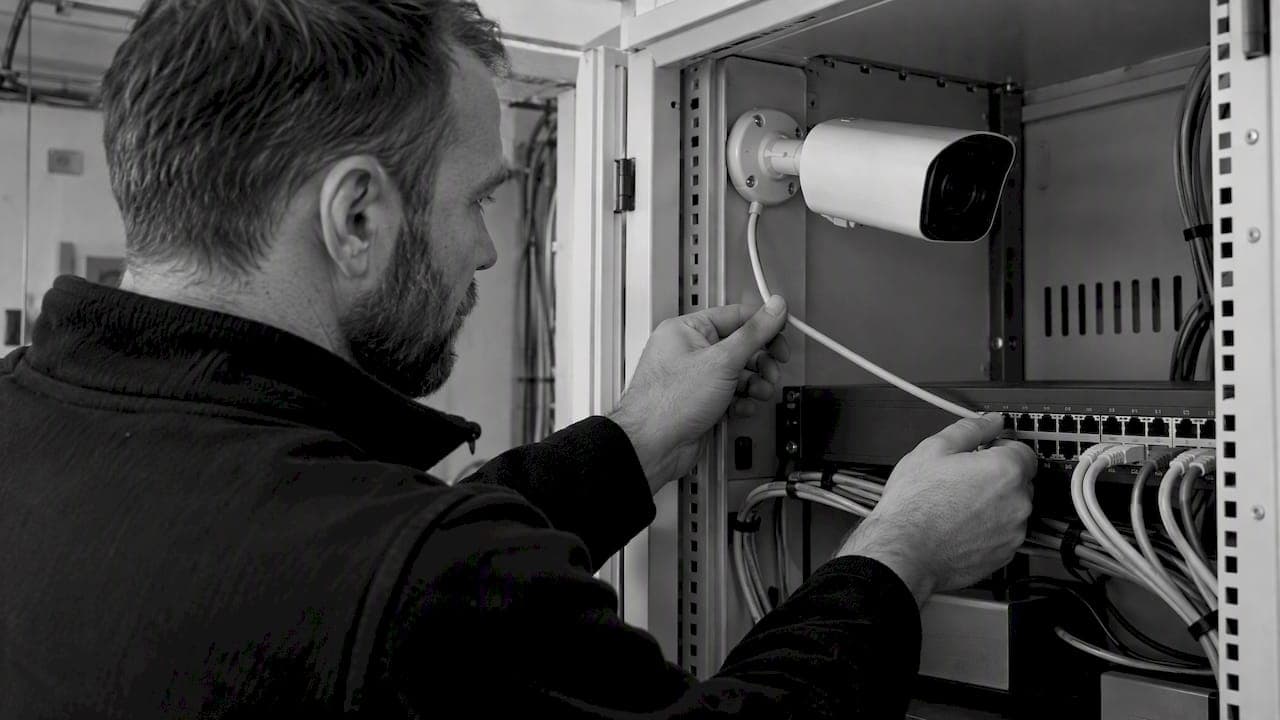
RTSP Security Risks: Integrators Must Block Exposed Ports 554 and 8554
See how integrators can reduce RTSP security risks: close exposed ports 554 and 8554, secure camera access, and verify each deployment with practical checks.
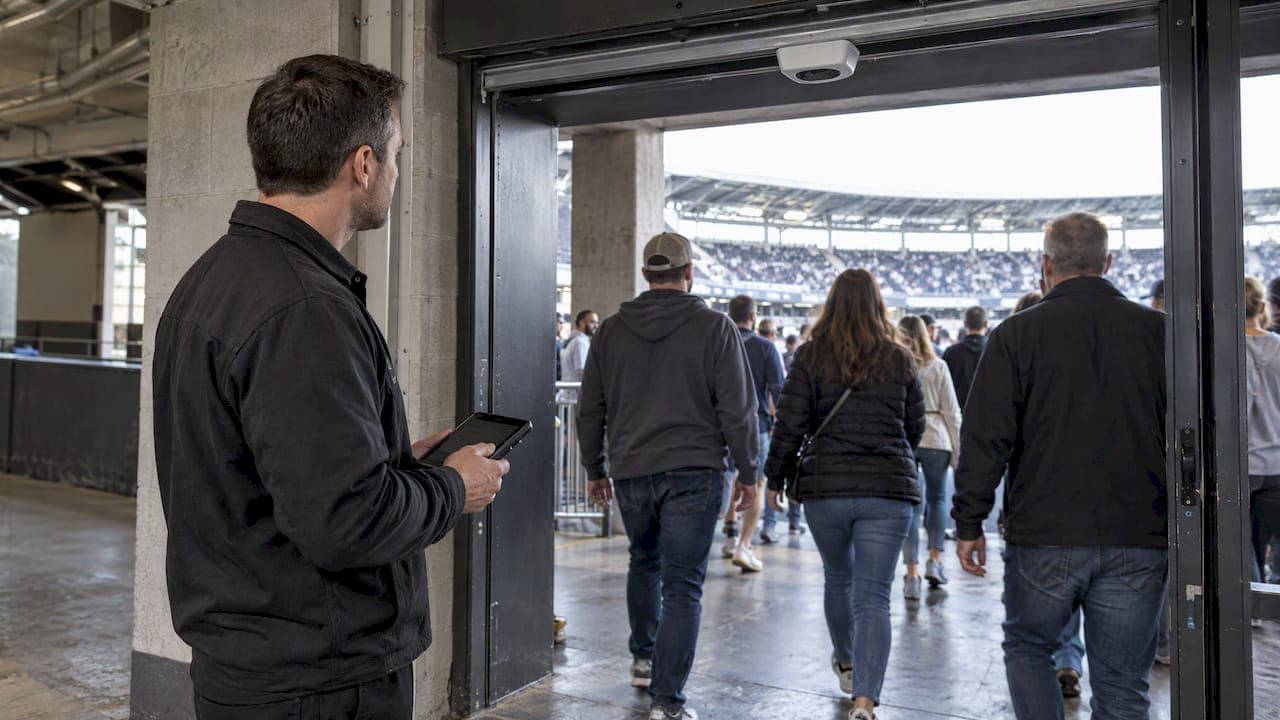
Require MAEpp and X Accuracy Before You Buy People Counting Systems
Verify people counting accuracy by demanding MAEpp, X Accuracy, and directional-bias reports. Validate on-site with at least 100 events per direction...
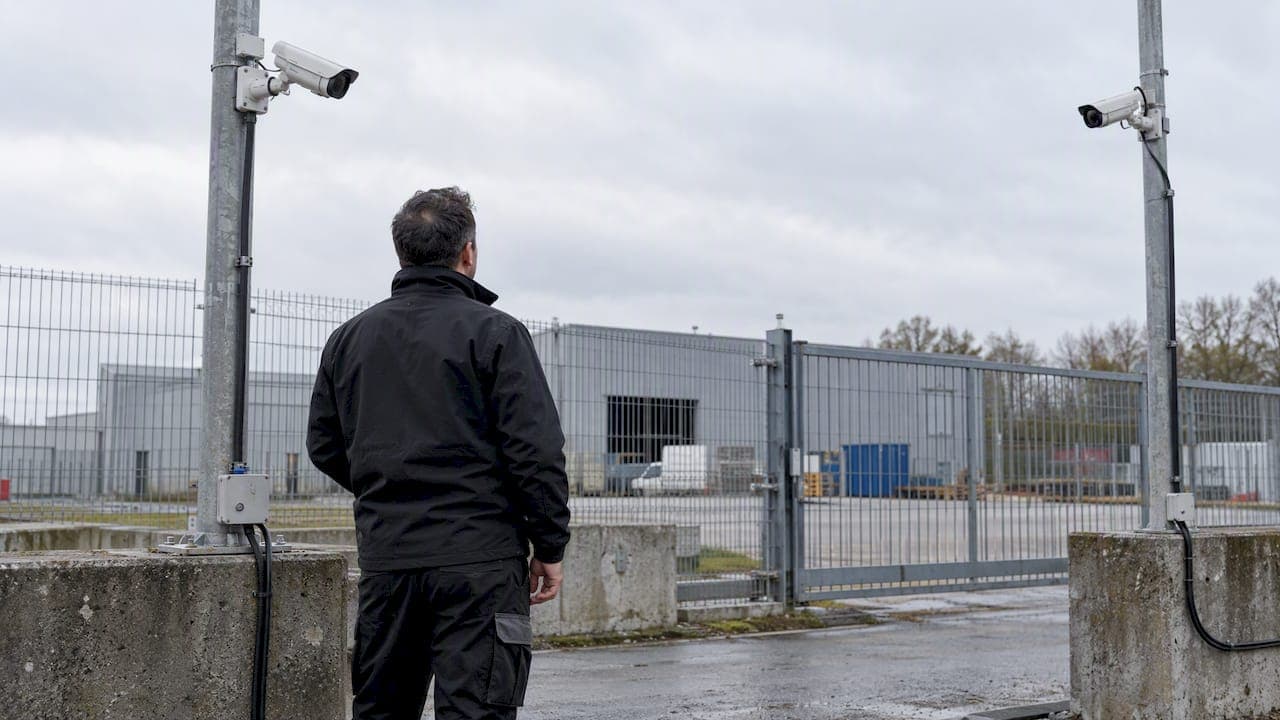
30–90 Day Pilot Validates Redundant Camera Networks for Engineers
Standards led, practical steps for engineers to deploy redundant camera networks: MRP, dual homing, and aggregation patterns, commissioning checks, and...
Installers: Get sub millisecond CCTV time with an on site NTP server
Installer checklist for secure on site NTP for CCTV. Includes chrony setup, device config, troubleshooting, and forensic timestamp protection.
Let's Build YourSecurity Ecosystem.
Whether you're a System Integrator, Solution Provider, or an End-User looking for trusted advisory, our team is ready to help you navigate the BeyondSensor landscape.
Direct Advisory
Connect with our regional experts for tailored solutioning.