
Discover the top advantages of advanced sensing solutions for security and operational efficiency in Southeast Asian industrial and smart infrastructure facilities.
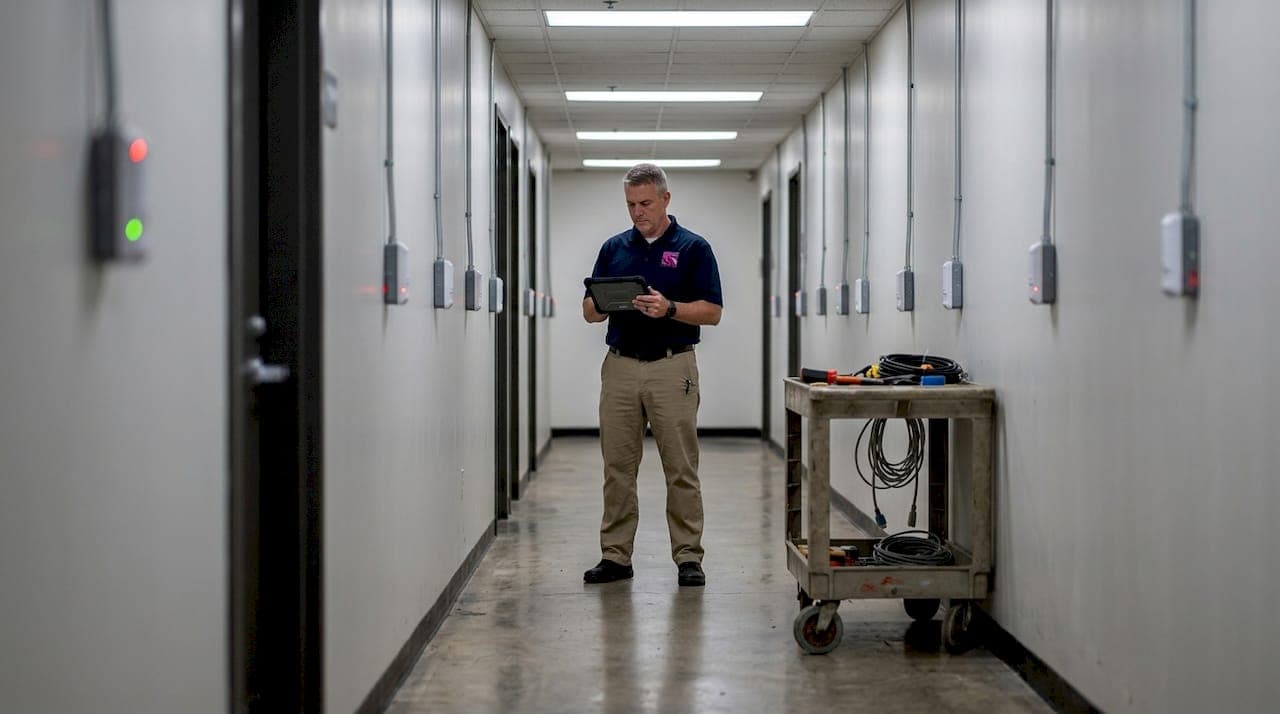
Top advantages of sensing solutions for secure facilities
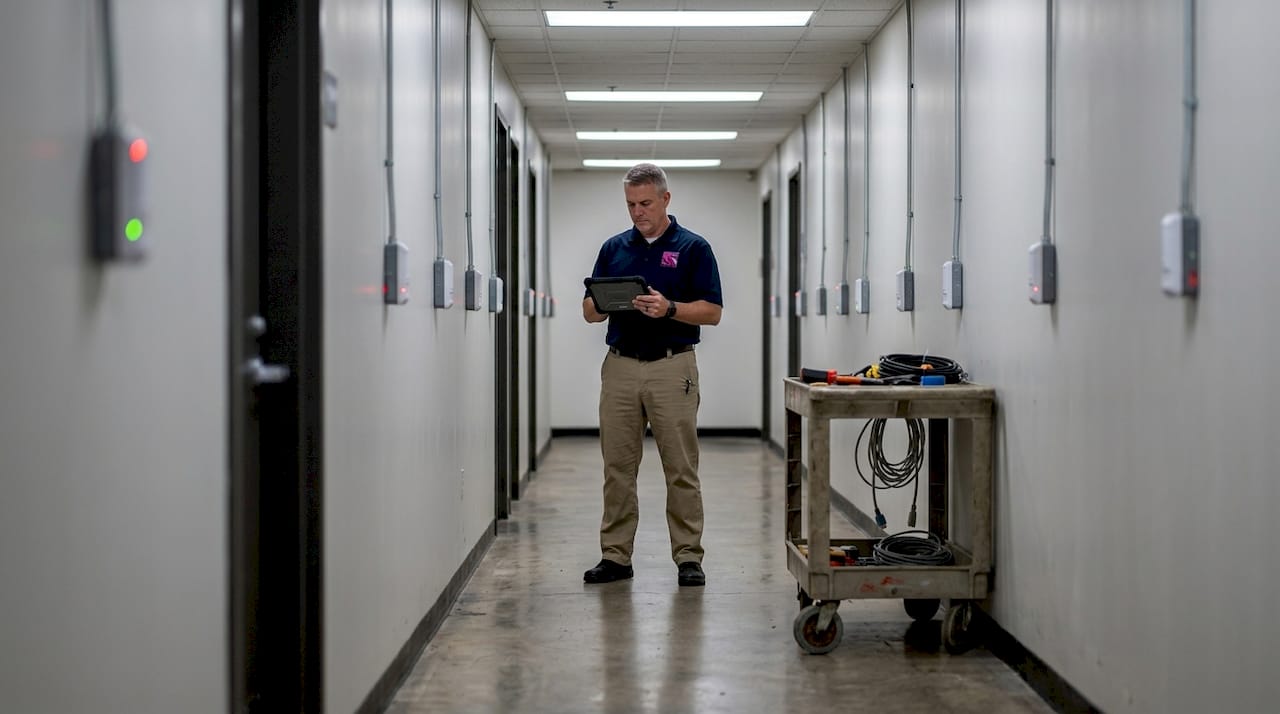
TL;DR:
- Evaluation criteria for sensing solutions include reliability, real-time processing, integration, security, cost, and regional certification.
- Advanced sensing technologies enable real-time threat detection, cost savings, early fault detection, scalability, and superior spatial awareness.
- Choosing between edge, cloud, or hybrid architectures involves balancing latency, privacy, compute power, and dependency on connectivity.
Choosing the right sensing solution for an industrial or smart infrastructure facility is not a straightforward procurement decision. The market is saturated with hardware claims, software promises, and integration pitfalls that can stall deployments or drain budgets. Security professionals and facility managers across Southeast Asia are under real pressure: safety incidents, regulatory audits, and operational downtime all carry serious consequences. This article breaks down the essential evaluation criteria, the most impactful technical advantages, and the architectural trade-offs that matter most, so you can make a confident, data-backed decision for your facility.
Table of Contents
- Essential criteria when evaluating sensing solutions
- Major advantages of advanced sensing solutions
- Comparing sensing solution architectures: Edge, cloud, and hybrid
- Local context: Sensing solutions in Southeast Asia
- A fresh perspective: Why data integrity and operational fit matter most
- Explore advanced sensing solutions with BeyondSensor
- Frequently asked questions
Key Takeaways
| Point | Details |
|---|---|
| Reduces maintenance costs | Advanced sensing solutions can lower annual maintenance costs by 20 percent and minimize unplanned downtime. |
| Enhances real-time security | Edge and hybrid sensors provide fast, actionable security alerts and improve threat detection accuracy. |
| Supports regulatory compliance | Certified sensing systems align with Southeast Asia policy incentives and streamline industrial safety compliance. |
| Improves decision-making | Early detection of system distress and rich analytics aid better operational decisions and rapid emergency response. |
| Eases integration challenges | Prioritizing solutions that fit existing workflows ensures maximum value and faster return on investment. |
Essential criteria when evaluating sensing solutions
With the challenge in mind, let's build a decision framework to evaluate your sensing solution options. Not every sensing system that looks impressive on a spec sheet will perform under the conditions your facility demands. Rigorous evaluation criteria protect your investment, minimize downtime, and keep you on the right side of regulatory requirements.
Here are the six factors that should anchor every procurement decision:
- Reliability and uptime: Sensor systems must sustain continuous operation. IoT sensors in predictive maintenance reduce emergency repairs by 51%, cut annual maintenance costs by 20%, and detect equipment distress up to 12 days in advance. That is the reliability benchmark worth targeting.
- Real-time processing and latency: For security applications, a five-second delay in threat detection is unacceptable. Evaluate whether the solution processes data at the edge or requires a cloud round-trip.
- Integration with existing systems: A sensing solution that cannot communicate with your SCADA, BMS, or VMS (video management system) creates operational silos. Demand open protocol support.
- Security and compliance: Data generated by sensors is sensitive. Encryption, access control, and audit logging are non-negotiable features, not optional add-ons. Review security compliance best practices before finalizing any shortlist.
- Cost-effectiveness: Factor in total cost of ownership, including maintenance, calibration, and software licensing, not just the upfront hardware price.
- Regional certification: Southeast Asian markets increasingly reward or require certified sensing systems. Aligning procurement with local standards simplifies compliance and can unlock government incentives.
For facilities pursuing smarter industrial automation, these criteria apply whether you are evaluating vibration sensors, thermal imagers, or LiDAR-based perimeter systems.
Pro Tip: Do not evaluate hardware specs in isolation. Map your maintenance workflows and local compliance requirements first, then shortlist solutions that fit both dimensions.
Major advantages of advanced sensing solutions
Armed with the key criteria, let's examine the direct advantages these solutions offer. Advanced sensing technologies are not simply upgrades over legacy systems. They fundamentally change what is operationally possible.
- Real-time threat detection and prevention: Instant alerts from motion, thermal, or acoustic sensors allow security teams to respond before incidents escalate. This shifts the posture from reactive to preventive.
- Significant cost reduction: The 20% annual maintenance cost savings linked to predictive sensor deployments compounds quickly across multi-site facilities.
- Early fault detection with long lead times: Detecting equipment stress up to 12 days before failure gives maintenance teams a meaningful window to schedule repairs without disrupting operations.
- Scalability and protocol flexibility: Modern sensing platforms support hybrid edge-cloud architectures and multi-protocol communication, making them easier to scale as facilities grow.
- Superior spatial detection: LiDAR and 3D sensing technologies offer volumetric spatial awareness that 2D radar and camera systems simply cannot match, especially in complex industrial layouts.
| Sensing technology | Detection type | Key advantage | Best use case |
|---|---|---|---|
| LiDAR | 3D volumetric | High-precision spatial mapping | Perimeter, logistics |
| Thermal imaging | Heat signature | Detects anomalies in low light | Critical infrastructure |
| Acoustic sensors | Sound pattern | Early mechanical fault detection | Industrial equipment |
| PIR motion sensors | Infrared motion | Low cost, reliable intrusion alert | Access control zones |
For a deeper look at how these technologies are applied in practice, explore advanced sensing for security and the broader landscape of intelligent sensing technologies now being deployed across the region.
Pro Tip: Pair edge computing with AI-based anomaly detection to reduce false alarms in high-traffic environments. False positives erode operator trust and slow response times over time.
Comparing sensing solution architectures: Edge, cloud, and hybrid
These benefits depend a lot on the underlying architecture. Let's compare the leading approaches so you can match the right model to your facility's operational profile.
Edge computing processes data locally on the sensor or a nearby gateway. Latency is minimal, privacy is stronger because data does not leave the site, and the system keeps functioning even during network outages. The trade-off is limited computational power for complex AI inference tasks.
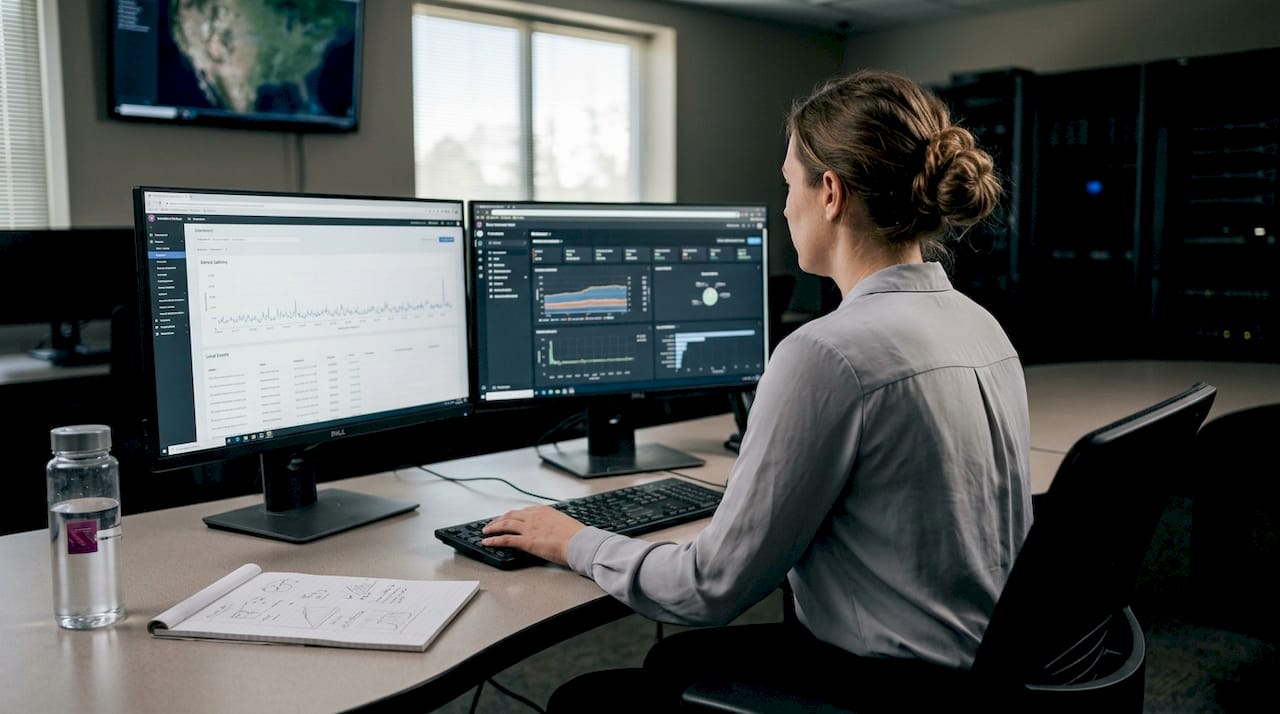
Cloud-based sensing offloads processing to remote servers, enabling heavier analytics and centralized dashboards across multiple sites. The cost of ongoing connectivity and the latency introduced by the round-trip are real limitations for time-critical security applications.
Hybrid edge-cloud balances both. Time-sensitive decisions happen at the edge; historical analytics and model training happen in the cloud. Most Southeast Asian facilities with serious security mandates are moving in this direction.
| Architecture | Latency | Privacy | Compute power | Connectivity dependency |
|---|---|---|---|---|
| Edge | Very low | High | Limited | Low |
| Cloud | Higher | Lower | Very high | High |
| Hybrid | Low | Moderate | High | Moderate |
However, over-reliance on AI sensing in hybrid or cloud models carries real risks: data integrity issues and model bias can quietly degrade detection accuracy over time without obvious warning signs.
"The most resilient sensing architectures are those that keep critical decision logic close to the source, while using the cloud for learning and optimization, not for real-time control."
For facilities evaluating these trade-offs, the resources on real-time sensing benefits and sensor security tips provide practical guidance. Security agencies considering hybrid edge-cloud architectures will find specific deployment models suited to their operational requirements.
Local context: Sensing solutions in Southeast Asia
How do these advantages and considerations play out locally in Southeast Asia? The regional picture is distinct from global averages, and it matters for procurement strategy.
Industrial automation is accelerating across the region, and with it, demand for reliable sensing infrastructure. Growing demand for sensors in industrial safety is being driven by smart factory adoption, and governments in Thailand and Indonesia have introduced policy incentives that favor certified sensing systems. This is not a minor footnote. Certified solutions can qualify for procurement subsidies, streamlined regulatory approval, and preferential treatment in government-linked facility contracts.
Key considerations for Southeast Asian facility managers:
- Regulatory alignment: Procure systems that meet local certification standards from the outset. Retrofitting compliance is expensive and time-consuming.
- Incentive programs: Thailand and Indonesia both have active programs rewarding industrial safety investments. Certified sensors can reduce net procurement costs significantly.
- Climate and environmental factors: High humidity, heat, and dust levels in many SEA industrial environments demand sensors with appropriate ingress protection (IP) ratings.
- Localized support: Vendors with regional offices and local technical teams reduce response times for maintenance and calibration.
- Proven performance data: The 51% reduction in emergency repairs from predictive sensing has been confirmed in real deployments, not just controlled lab settings.
For procurement teams, aligning with security compliance in SEA requirements early avoids costly project delays. Facilities that select tailored security solutions built for regional conditions consistently outperform those that deploy generic, globally-positioned products without localization.
A fresh perspective: Why data integrity and operational fit matter most
Beyond headlines and tech features, the real differentiator for facilities on the ground is not sensor resolution or AI model complexity. It is whether the system produces trustworthy data and fits the way your team actually works.
We see this pattern repeatedly: facilities invest in high-specification sensing platforms, then struggle to act on the data because the outputs do not align with existing maintenance workflows or reporting structures. The technology works. The integration does not.
Over-reliance on AI sensing also introduces a subtler risk: model bias. If a system is trained on data that does not reflect your specific environment, its anomaly detection will generate false confidence or false alarms, both of which erode operational trust.
The facilities that extract the most value from advanced sensing are those that prioritize data quality, workflow integration, and compliance alignment over raw feature counts. A sensor that reduces maintenance costs by 20% and integrates cleanly with your existing BMS is worth more than a technically superior system that requires a parallel operational structure to function. Explore real-world advanced sensing deployments to see this principle in action.
Pro Tip: Before shortlisting sensing solutions, audit your current workflows and compliance obligations. The best sensor for your facility is the one your team can actually act on.
Explore advanced sensing solutions with BeyondSensor
For facilities ready to modernize or optimize their security and operations, here's where to take the next step.
BeyondSensor works with security professionals, facility managers, and system integrators across Southeast Asia to deploy sensing solutions that are precise, compliant, and operationally proven. Whether you manage a critical infrastructure site, an industrial campus, or a smart building, our team can help you match the right architecture to your specific requirements. Explore solutions designed for security agencies, facility owners, and system integrators to find the right fit for your operational context and compliance needs.
Frequently asked questions
How do sensing solutions help reduce emergency repairs?
Connected sensors provide early distress warnings up to 12 days in advance, cutting emergency repairs by 51% compared to conventional scheduled maintenance checks.
Are certified sensing solutions required for compliance in Southeast Asia?
Many nations including Thailand and Indonesia incentivize certified solutions for industrial sites, making compliance easier to achieve while reducing net procurement costs through available incentive programs.
What is the main trade-off between edge and cloud sensing architectures?
Edge solutions deliver low latency and stronger privacy, while cloud architectures provide greater processing power but introduce higher costs and response lag for time-critical security decisions.
How do I ensure my sensing solution reduces model bias and data risks?
Prioritize hybrid architectures with proven compliance records, and audit for model bias by validating system performance against your specific facility environment before full deployment.
Recommended
Read More Articles
Geofencing Alerts for Site Security: Setup Guide for Singapore
How to design geofencing alerts that flag real security events, cut alert fatigue and stay within PDPA and IPA rules at Singapore sites.

CCTV Operator Training in Singapore: Skills, Courses and Costs
What CCTV operator training involves in Singapore: the PRSF course, fees and subsidies, the 31 December 2026 deadline, and skills for AI-assisted control rooms.
Role-Based Access Control: A Practical Guide for Singapore Security Teams
How role-based access control works, where it breaks (role explosion, stale roles), and how to apply it to both cyber and physical security in Singapore.
Security Site Survey: Facility Teams’ Checklist for Funded Fixes
Assess site risks, turn findings into budgeted action, and use field checklists, reporting templates, and PDPA notes for camera and biometric deployments.
Let's Build YourSecurity Ecosystem.
Whether you're a System Integrator, Solution Provider, or an End-User looking for trusted advisory, our team is ready to help you navigate the BeyondSensor landscape.
Direct Advisory
Connect with our regional experts for tailored solutioning.