
Discover the ultimate sensing solution selection guide for security pros. Maximize performance and reduce costs with expert insights.

Sensing Solution Selection Guide for Security Pros

TL;DR:
- Choosing the right sensor starts with defining the operational decision it must support, not just its technical specifications.
- Environmental conditions and system integration requirements are crucial for sensor durability and performance in real-world deployment.
A sensing solution selection guide is a structured framework that matches sensor technology to specific operational decisions, deployment environments, and system requirements. Security professionals and facility managers who skip this framework routinely overspend on hardware that underperforms in real conditions. The right selection process starts with three anchors: the operational decision the sensor must support, the physical environment it will operate in, and the data infrastructure it must connect to. Standards bodies like IEEE and ISA, along with IP rating classifications and edge computing compatibility, define the technical boundaries within which every sensor choice must sit.
What operational outcomes should guide sensor selection?
The most common mistake in sensor selection is measuring a physical variable instead of supporting a decision. Operational decision clarity is the single most important factor in specifying sensors that deliver actionable data. A vibration sensor that measures amplitude tells you nothing useful until you define the decision it must trigger, such as a bearing wear alert or a maintenance dispatch.
Security professionals and facility managers need to define the exact outcome before touching a spec sheet. For intrusion detection, the decision is binary: is an unauthorized person present? For predictive maintenance, the decision is probabilistic: is equipment degradation crossing a threshold that requires intervention? For safety compliance, the decision is regulatory: does the environment meet OSHA or local fire code thresholds?
Beyondsensor recommends mapping each sensor to a named decision with a measurable success criterion. That criterion should include a detection rate target, an acceptable false alarm rate, and a response time window. Without those three numbers, you cannot evaluate whether a sensor is performing or failing. Read more about defining security outcomes before finalizing any sensor specification.
- Define the decision first, then identify the physical variable that signals it.
- Set a false alarm rate threshold before deployment, not after.
- Assign a response time window to every alert the sensor must generate.
- Validate success criteria with the operations team, not just the security team.
Pro Tip: Write each sensor's purpose as a single sentence in the format: "This sensor triggers [specific action] when [measured variable] crosses [threshold]." If you cannot complete that sentence, the sensor is not yet specified.
How do environmental conditions affect sensing technology choice?
Environmental conditions determine whether a sensor survives its deployment, not just whether it performs well on a datasheet. Vibration, electromagnetic interference (EMI), and chemical exposure are the three most common causes of field failures that were never anticipated during lab testing. A sensor rated for industrial use can still fail within weeks if mounted near a variable frequency drive that generates EMI beyond its tolerance.
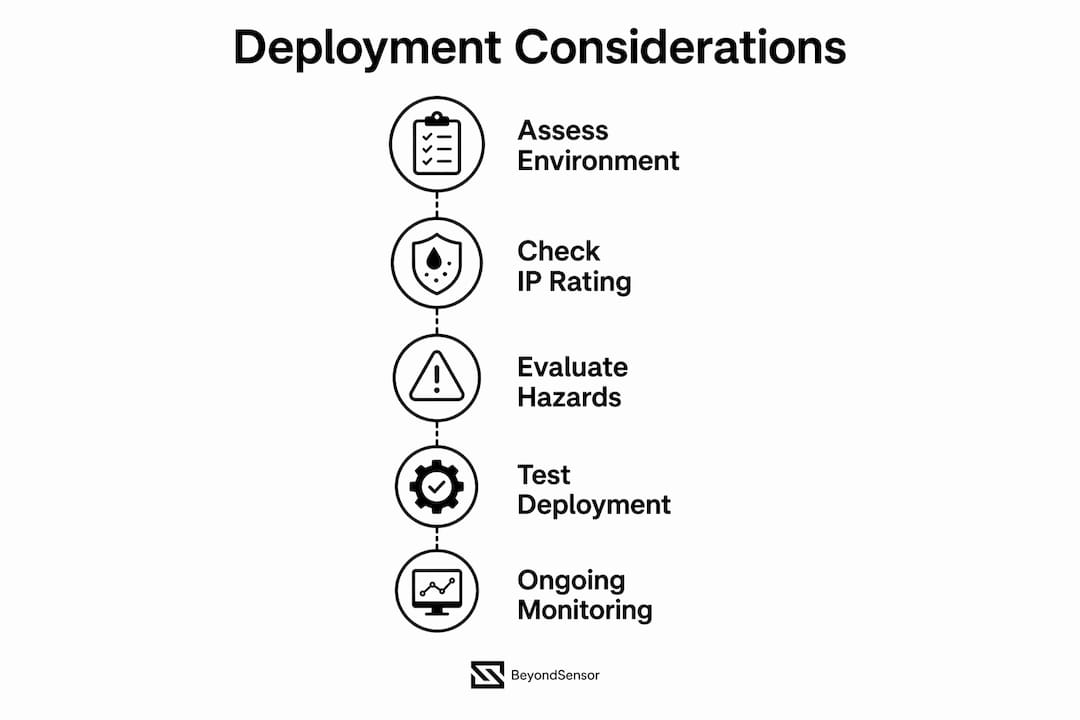
IP ratings classify a sensor's resistance to dust and water ingress. IP67 means the device is dust-tight and can withstand temporary immersion. IP69K means it survives high-pressure washdowns, which is the standard for food processing or outdoor perimeter installations in tropical climates. Mechanical coupling validation, meaning how the sensor physically attaches to its mounting surface, is equally critical. A poorly coupled vibration sensor introduces resonance errors that corrupt every reading.
The table below maps common security and facility deployment environments to the environmental factors that most affect sensor choice.
| Deployment environment | Primary hazard | Minimum IP rating | Key sensor concern |
|---|---|---|---|
| Outdoor perimeter | Rain, dust, UV | IP66 | Weather resilience, lens fogging |
| Industrial facility | Vibration, EMI | IP67 | Signal shielding, mechanical coupling |
| Parking structure | Vehicle exhaust, humidity | IP65 | Chemical resistance, condensation |
| Data center | Static, temperature swings | IP54 | ESD protection, thermal stability |
| Retail interior | Low hazard | IP40 | Cost, aesthetics, field of view |
Pro Tip: Always test sensors in the actual deployment environment for at least 72 hours before full installation. Datasheet specs reflect controlled lab conditions. Real-world noise, temperature cycling, and vibration will reveal failure modes that no specification document predicts.
What are the core sensing technology types for security and facilities?
LiDAR, radar, cameras, ultrasonic sensors, inductive sensors, and photoelectric sensors each solve a different problem. Choosing the wrong type for a use case is more expensive than choosing the wrong brand. LiDAR delivers 2–5 cm depth accuracy for precise 3D mapping, making it the right choice for GPS-denied indoor environments like warehouses or underground parking. Radar detects objects at ranges up to 500 m and performs reliably in rain, fog, and dust. Cameras offer superior object classification at a cost of $5–$200 per unit, making them the default for human-supervised settings where image evidence matters.
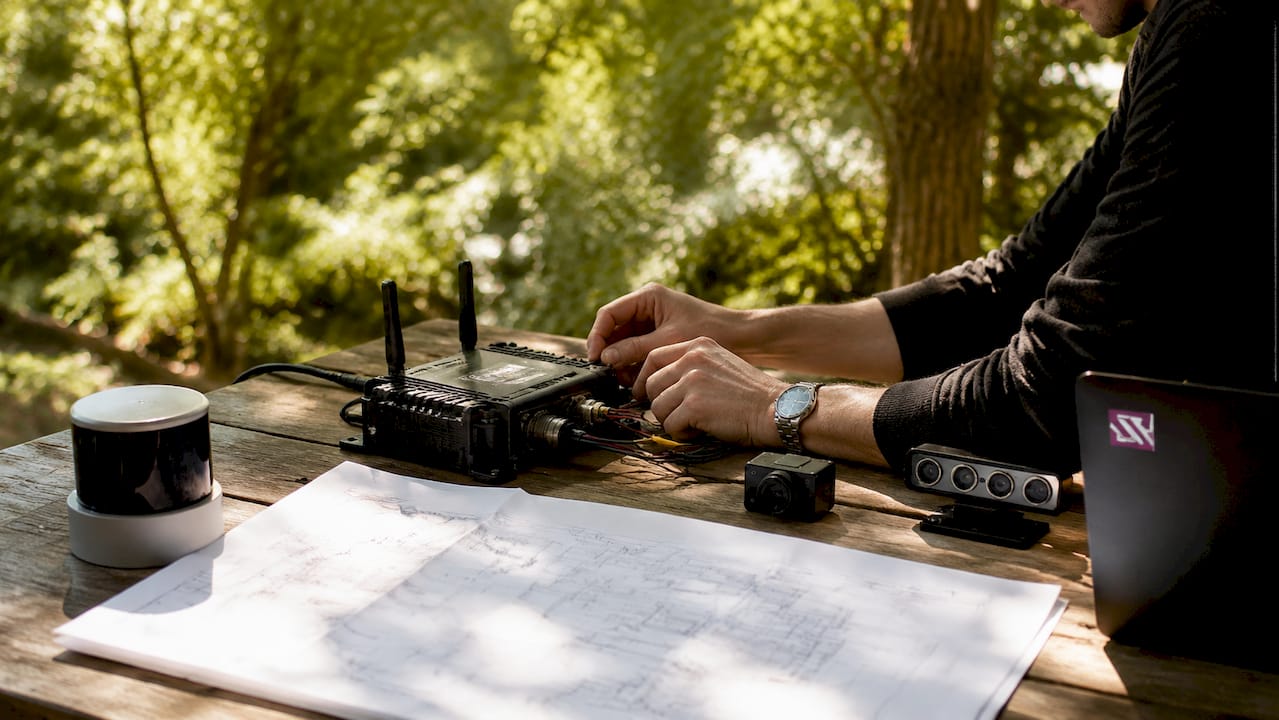
Ultrasonic sensors excel at short-range presence detection in clean indoor environments, such as occupancy monitoring in restrooms or meeting rooms. Inductive sensors detect metallic objects without contact, which makes them standard for vehicle detection at access control barriers. Photoelectric sensors use light beams to detect interruptions, covering applications from conveyor line monitoring to perimeter beam fences.
The comparison below summarizes performance parameters across the six main technology types.
| Technology | Accuracy | Max range | Weather resilience | Typical cost range | Best use case |
|---|---|---|---|---|---|
| LiDAR | 2–5 cm | 100–200 m | Moderate | High | Indoor 3D mapping, perimeter |
| Radar | Medium | Up to 500 m | Excellent | Medium-High | Outdoor perimeter, adverse weather |
| Camera | High (classification) | Variable | Low to moderate | $5–$200 | Object ID, evidence capture |
| Ultrasonic | Medium | Up to 10 m | Low | Low | Occupancy, short-range presence |
| Inductive | High | Up to 2 m | High | Low-Medium | Vehicle detection, access control |
| Photoelectric | High | Up to 60 m | Moderate | Low | Beam fences, conveyor monitoring |
LiDAR is the preferred technology for complex indoor environments where GPS signals are unavailable. Camera plus radar combinations deliver cost-effective coverage for human-supervised outdoor areas. For perimeter security technology decisions, the environment and required evidence type should drive the final technology choice, not cost alone.
For vehicle entry points where license plate capture is required alongside presence detection, license plate recognition cameras represent a proven integration of camera and inductive sensor logic in a single deployment.
How to align sensor integration and maintenance with operational goals?
Sensor hardware is only as valuable as the data it delivers to the right system at the right time. Modern sensor selection must prioritize edge computing compatibility and digital interface standards, shifting the focus from the device itself to the intelligent data source it becomes. A sensor that outputs analog signals into a legacy SCADA system cannot support real-time AI-based anomaly detection without a costly conversion layer.
Digital interfaces like IO-Link and industrial Ethernet protocols allow sensors to transmit not just measurement values but also diagnostic data, calibration status, and device health. That capability is the foundation of predictive maintenance programs. Without it, facility managers are reacting to failures rather than preventing them.
Follow this sequence when planning sensor integration:
- Audit your existing control and data infrastructure before selecting any sensor. Identify which protocols your SCADA, BMS, or VMS platforms support natively.
- Confirm that the sensor's output interface matches your infrastructure without requiring a gateway or protocol converter, unless that converter is already budgeted and validated.
- Plan for field recalibration access from the design stage. Sensor drift can invalidate factory calibration within six months in high-temperature or high-vibration environments.
- Validate edge compute capability if real-time local processing is required. Not all sensors with "edge" marketing labels process data locally. Confirm with the vendor.
- Document the maintenance access path for every sensor at installation. A sensor mounted inside a sealed enclosure with no access panel will be replaced, not recalibrated, at three times the cost.
Read Beyondsensor's guidance on sensor integration strategies for a deeper look at future-proofing deployments with edge compute and IoT platform alignment.
What are common sensor selection mistakes and how do you fix them?
Over-specifying resolution or sensitivity is the most frequent and costly error in sensor selection. Higher resolution increases noise sensitivity and adds cost without improving the quality of the operational decision. A perimeter radar that detects movement at 1 cm resolution in a wind-exposed outdoor environment will generate constant false alarms from vegetation movement.
Common mistakes and their corrections:
- Over-specifying sensitivity: Match resolution to the decision threshold, not to the maximum available spec. If a 10 cm position change triggers the alert, a 1 cm sensor adds noise, not value.
- Ignoring environmental constraints: Conduct a site survey before specifying any sensor. Document temperature range, vibration sources, EMI emitters, and chemical exposure. Cross-reference against the sensor's rated tolerances.
- Skipping real-world validation: Validate performance in actual conditions, not only against datasheet specs. Noise, power draw, and connectivity behavior all differ between lab and field.
- No maintenance plan: Sensors without a recalibration schedule degrade silently. Build drift correction into the operational calendar from day one.
- Mismatched interfaces: Confirm protocol compatibility before procurement. A sensor with an unsupported output format creates integration debt that compounds over time.
Sensor failures in security applications are rarely caused by bad hardware. They are caused by good hardware deployed in the wrong environment, connected to the wrong system, or specified for the wrong decision. Fix the specification process, and the hardware will perform.
Review Beyondsensor's list of security solution pitfalls for a current look at the deployment errors most likely to affect security teams in 2026.
Key Takeaways
The most effective sensing solution selection process starts with defining the operational decision, then matches technology type, environmental tolerance, and integration capability to that decision.
| Point | Details |
|---|---|
| Decision before device | Define the exact operational decision each sensor must trigger before reviewing any spec sheet. |
| Environment drives durability | Match IP rating and mechanical coupling to the actual deployment site, not the average use case. |
| Technology type determines fit | LiDAR, radar, cameras, and ultrasonic sensors each solve different problems; choose by use case, not cost. |
| Integration planning prevents failure | Audit existing infrastructure and plan for field recalibration before procurement, not after installation. |
| Over-specification adds noise | Match sensor resolution to the decision threshold; higher specs increase false alarms without improving outcomes. |
Sensing selection has shifted. Here is what that means for you.
I have reviewed enough sensor deployments to say this with confidence: the hardware conversation is the wrong starting point. Security professionals and facility managers consistently arrive at vendor meetings asking about detection range and IP ratings before they have written down what decision the sensor needs to support. That sequencing error is responsible for more failed deployments than any technology limitation.
The shift I see accelerating in 2026 is from sensors as measurement devices to sensors as data sources within an edge compute architecture. That distinction matters because it changes what you evaluate. You are no longer asking "does this sensor detect motion?" You are asking "does this sensor deliver structured, timestamped, low-latency data to my analytics platform in a format that triggers the right response?" Those are very different procurement questions.
The facilities that get this right share one habit. They define the operational decision first, then work backward through technology type, environmental tolerance, interface compatibility, and maintenance access. Every step in that sequence is constrained by the one before it. Skipping any step produces a sensor that works in the lab and fails in the field.
My honest recommendation: treat your sensing technology guide as a living document. Environments change, operational priorities shift, and new sensor technologies enter the market every year. A selection framework that was right in 2024 may need revision by 2026. Build the review cycle into your facility management calendar.
— Eumir
Beyondsensor's sensing solutions for security and facility teams
Beyondsensor works with security professionals and facility managers who need more than hardware. The focus is on intelligent sensing systems that connect sensor data to operational decisions through validated integration and AI-enabled analysis.

Beyondsensor's system integrator support covers the full deployment cycle, from technology selection and environmental validation to edge compute configuration and ongoing calibration planning. Teams operating across Singapore, Malaysia, and the Philippines benefit from localized expertise that accounts for regional environmental conditions and compliance requirements. For security agencies and facility operators ready to move from reactive monitoring to decision-driven sensing, Beyondsensor's AI-powered solutions provide a structured path forward.
FAQ
What is a sensing solution selection guide?
A sensing solution selection guide is a structured framework that matches sensor technology to specific operational decisions, environmental conditions, and system integration requirements. It prevents over-specification and ensures sensors deliver actionable data rather than raw measurements.
How do I choose between LiDAR, radar, and cameras for security?
LiDAR suits precise indoor 3D mapping, radar performs best in adverse outdoor weather at ranges up to 500 m, and cameras provide superior object classification at low cost. The right choice depends on the environment, required evidence type, and detection range.
Why does sensor over-specification cause problems?
Higher resolution increases noise sensitivity and adds cost without improving the quality of the operational decision. Matching resolution to the actual decision threshold reduces false alarms and improves system reliability.
How often do sensors need recalibration in security deployments?
Sensor drift can invalidate factory calibration within six months in high-temperature or high-vibration environments. Build a recalibration schedule into the operational calendar from the day of installation.
What digital interfaces should security sensors support?
IO-Link and industrial Ethernet protocols allow sensors to transmit measurement values, diagnostic data, and calibration status simultaneously. These interfaces are the foundation of predictive maintenance and real-time AI-based anomaly detection in modern security systems.
Recommended
- How to choose the right sensing technology for security | News | BeyondSensor
- Emerging sensing innovations guide for security leaders | News | BeyondSensor
- Advanced sensing technologies: A practical guide for security managers | News | BeyondSensor
- Essential sensing technology features for industrial security | News | BeyondSensor
Read More Articles
RTSP Security Risks: Integrators Must Block Exposed Ports 554 and 8554
See how integrators can reduce RTSP security risks: close exposed ports 554 and 8554, secure camera access, and verify each deployment with practical checks.
Require MAEpp and X Accuracy Before You Buy People Counting Systems
Verify people counting accuracy by demanding MAEpp, X Accuracy, and directional-bias reports. Validate on-site with at least 100 events per direction...
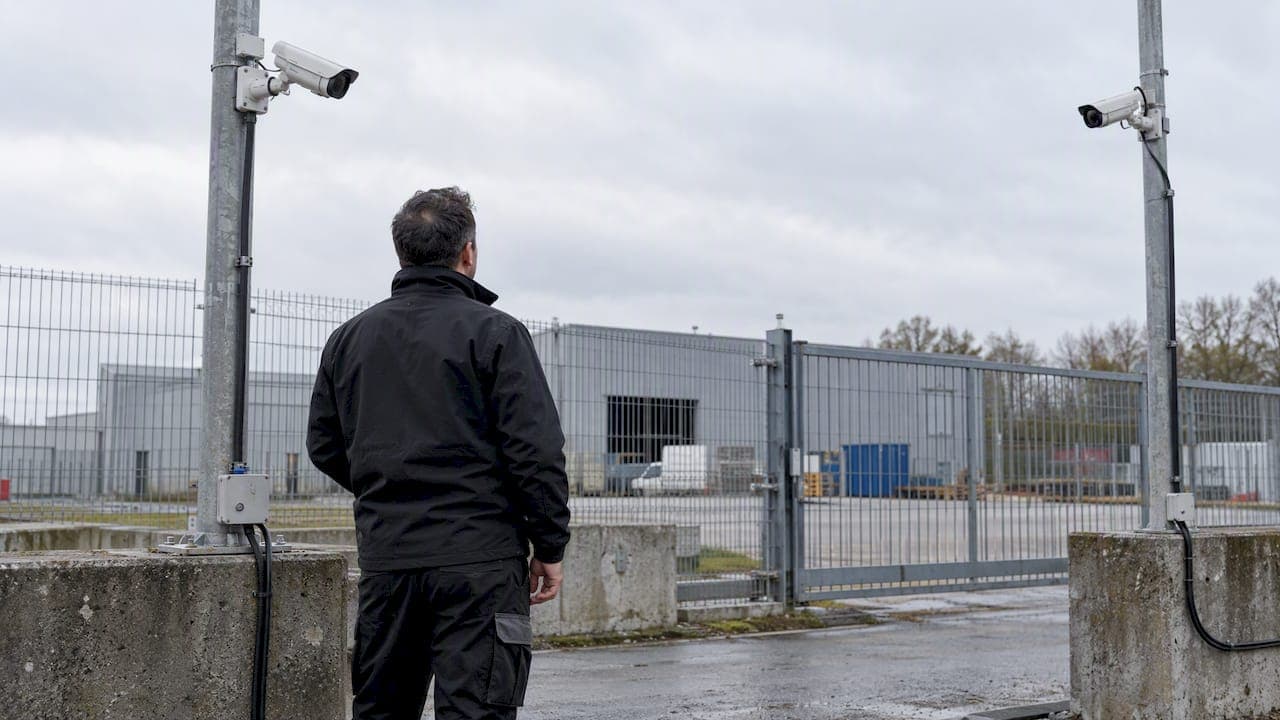
30–90 Day Pilot Validates Redundant Camera Networks for Engineers
Standards led, practical steps for engineers to deploy redundant camera networks: MRP, dual homing, and aggregation patterns, commissioning checks, and...
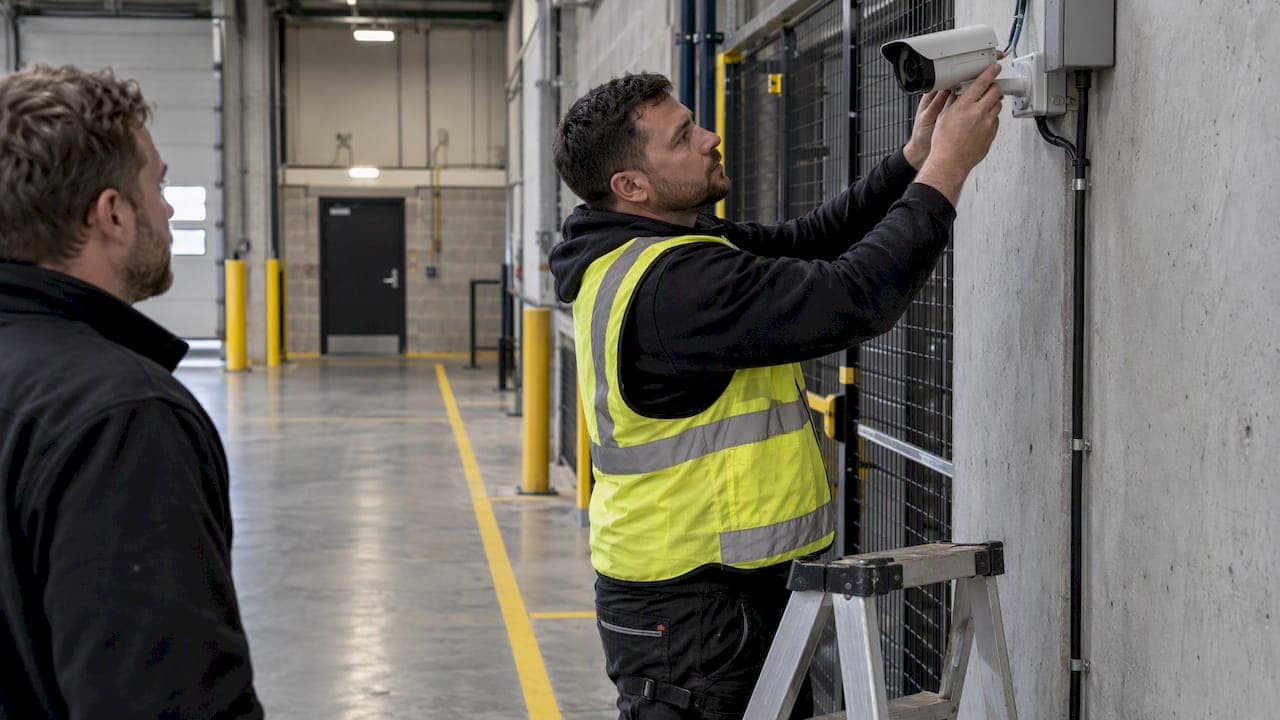
30 Day Pilot Proves Video Analytics Accuracy for Security Teams
Validate video analytics accuracy with scenario tests, camera tuning, transfer learning and a 30 day edge first pilot for security teams.
Let's Build YourSecurity Ecosystem.
Whether you're a System Integrator, Solution Provider, or an End-User looking for trusted advisory, our team is ready to help you navigate the BeyondSensor landscape.
Direct Advisory
Connect with our regional experts for tailored solutioning.