
Discover how intelligent alerting systems explained enhance security operations. Improve response times and focus on critical alerts without noise.

Intelligent Alerting Systems Explained for Security Teams

TL;DR:
- Intelligent alerting systems filter raw sensor data into prioritized, actionable notifications to prevent alert fatigue. They use techniques like threshold tuning, clustering, and deduplication to improve signal quality and reduce false positives. Proper routing and escalation policies ensure rapid, responsible responses to critical incidents.
Intelligent alerting systems are automated monitoring and notification frameworks that translate raw sensor data into timely, context-rich warnings delivered to the right personnel. For security professionals and facility managers, these systems are the difference between a fast, coordinated response and a missed incident buried under hundreds of irrelevant notifications. The core challenge they solve is not detection. It is signal quality. By applying techniques like threshold tuning, alert clustering, deduplication, and escalation policies, intelligent alerting systems reduce noise, cut Mean Time To Acknowledge (MTTA), and keep your team focused on what actually matters.
What are intelligent alerting systems and how do they work?
Intelligent alerting systems, also called automated notification systems in operational contexts, are defined by one primary purpose: translating raw monitoring data into actionable notifications aligned with team ownership. A raw sensor reading has no operational value until it is filtered, prioritized, and routed to someone who can act on it. That filtering process is where intelligence lives.
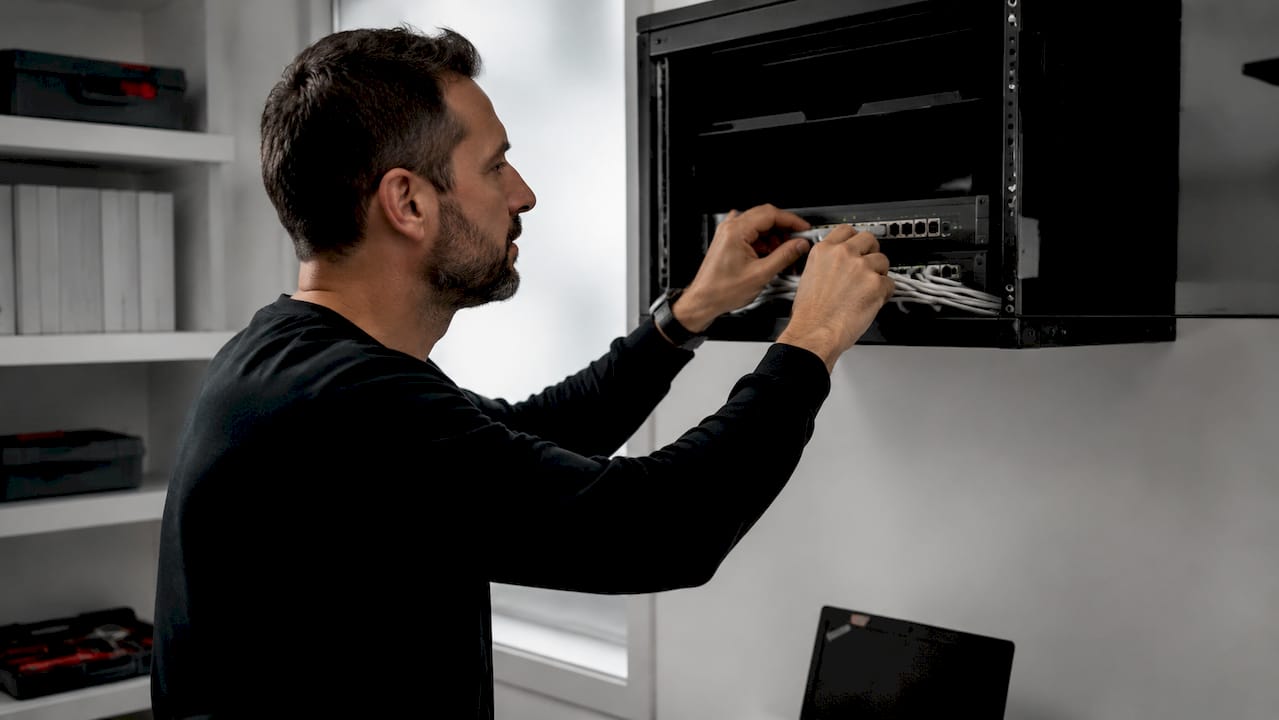
The architecture of a real-time alerting solution has three layers. The first layer ingests data from sensors, cameras, access control systems, and environmental monitors. The second layer applies rules and machine learning models to decide which conditions warrant a notification. The third layer routes that notification through the right channel to the right person at the right time. Each layer can be tuned, and each layer is a potential source of failure if left unconfigured.
Security teams in high-density facilities often receive thousands of alerts per day from perimeter sensors, motion detectors, and access logs. Without intelligent filtering, responders experience alert fatigue. Alert fatigue is the leading cause of failed responses in critical environments, where teams begin ignoring notifications because too many are irrelevant. The goal of alerting technology is not to send more alerts. It is to send fewer, better ones.
How do these systems reduce noise and improve signal quality?
Noise reduction is the most operationally significant benefit of smart alert systems. The primary mechanism is threshold tuning. Raising alert thresholds by one standard deviation reduces false positive noise by 30–50% while maintaining operational reliability. That single adjustment can cut your team's daily alert volume in half without missing a genuine incident.
Beyond threshold tuning, three additional techniques drive signal quality:
- Alert clustering with DBScan. Intelligent alert clustering uses DBScan configured with a 15-minute window and a minimum of 5 data points to group related alerts into a single incident. Instead of receiving 40 separate notifications from a triggered perimeter zone, your team receives one grouped incident with full context.
- Alert fingerprinting for deduplication. Alert fingerprinting hashes alert name and labels to suppress repeat notifications for ongoing incidents. This prevents notification storms when a condition persists, such as a door held open for an extended period.
- The 'for' duration parameter. The 'for' duration parameter prevents alert flapping by requiring a condition to sustain over time before triggering a notification. A 5-minute sustained condition fires the alert. A 10-second transient spike does not.
These three techniques work together. Clustering groups related events. Fingerprinting removes duplicates. The duration parameter filters transient noise before it ever enters the pipeline.
Pro Tip: Set your 'for' duration parameter based on your facility's incident profile. A loading dock sensor may warrant a 2-minute window. A server room temperature sensor may need only 30 seconds. One-size configurations create the same noise problem you are trying to solve.
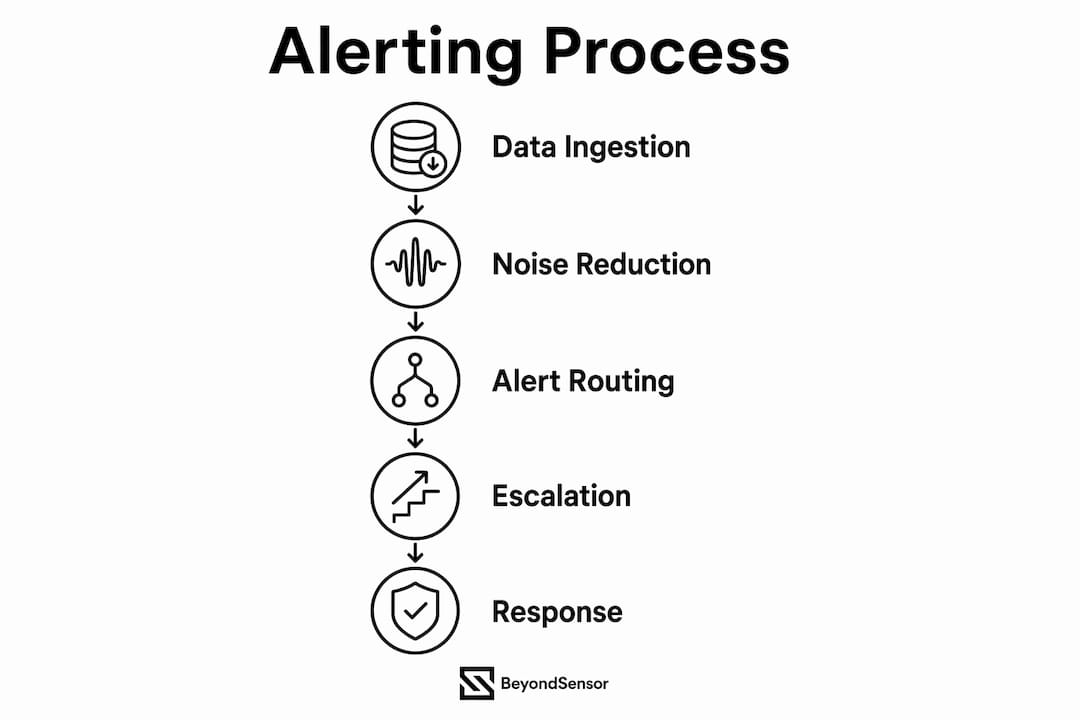
Facilities that apply adaptive noise reduction strategies consistently report faster response times and higher responder confidence. When every alert that reaches your team is credible, your team acts on every alert.
How does alert routing and escalation improve response accountability?
Routing is the highest-impact lever for improving response times. Effective alert routing uses service ownership maps and on-call schedules to send alerts directly to the responsible engineer or security officer, reducing MTTA. An alert sent to a general inbox is an alert that may never be acknowledged.
A well-designed escalation policy follows a clear sequence:
- Primary notification. The alert reaches the on-call officer or facility manager responsible for the affected zone.
- Acknowledgment window. The system waits for a defined period, typically 15 minutes for high-priority incidents.
- Automatic escalation. If an alert remains unacknowledged for 15 minutes, the system automatically notifies the engineering manager and the broader team.
- Channel escalation. Critical P1 alerts are sent via phone calls while informational alerts use Slack or email, based on severity and time of day.
- Acknowledgment stops the chain. Once a responder acknowledges the alert, escalation halts. The system logs the acknowledgment time for post-incident analysis.
This structure eliminates the accountability gap that exists in facilities relying on manual monitoring. No alert falls through because a single person was unavailable. The system keeps escalating until someone owns the incident.
For facility managers overseeing multiple buildings or zones, routing rules should map directly to your security monitoring workflow. Zone A alerts go to Zone A's on-call officer. Building-wide alerts go to the facility director. Cross-zone incidents trigger both.
What are grouping, inhibition, and silencing in alert management?
Convergence strategies are the mechanisms that prevent alert fatigue at scale. Grouping, inhibition, and silencing are core alert convergence mechanisms that reduce noise by combining and suppressing redundant alerts. Each serves a distinct operational purpose.
| Convergence method | How it works | Operational impact |
|---|---|---|
| Grouping | Combines related alerts into a single incident record | Reduces notification volume; provides full incident context in one view |
| Inhibition | Suppresses child alerts when a parent alert is already active | Prevents cascading notifications from a single root cause event |
| Silencing | Mutes alerts during scheduled maintenance windows | Eliminates false alarms during planned downtime |
Inhibition is particularly valuable in physical security environments. When a fire alarm activates, dozens of downstream alerts may trigger: door held open, HVAC anomaly, access control override. Without inhibition, your team receives all of them simultaneously. With inhibition, the parent fire alarm alert carries the full picture, and child alerts are suppressed until the parent is resolved.
Alert silencing mutes alerts for scheduled maintenance windows, avoiding unnecessary notifications during planned downtimes. This is a simple configuration that many facilities overlook. Maintenance windows without silencing rules generate dozens of false alarms that erode team trust in the alerting system over time.
Pro Tip: Build a silencing calendar that mirrors your facility's maintenance schedule. Automate silence windows for recurring tasks like weekly HVAC checks or monthly fire suppression tests. Manual silencing is error-prone and often forgotten.
How does AI improve intelligent alerting configurations?
AI agents are now being applied directly to alert configuration, not just detection. AI agents optimize alert configurations based on historical data and organizational baselines, providing natural language justifications for each recommended change. This means a security manager can receive a recommendation like "raise the motion sensitivity threshold in Zone 3 by 15% based on 90 days of false positive patterns" rather than a raw configuration file.
The key capabilities AI brings to advanced alerting methods include:
- Gap analysis. AI reviews your current alert rules against historical incident data to identify thresholds that are too sensitive or too permissive.
- Baseline automation. The system learns what normal looks like for each zone, sensor type, and time of day, then adjusts monitoring baselines accordingly.
- Streaming ML clustering. Unsupervised machine learning algorithms process alert streams in real time, grouping related events without requiring manual rule creation.
- Human oversight preservation. Intelligent alerting agents base configuration optimization on historical patterns rather than real-time anomaly detection, keeping a human in the approval loop for all configuration changes.
The last point matters. Real-time anomaly detection in alerting contexts can introduce instability. A system that constantly reconfigures itself based on live data may suppress a genuine incident because it looks statistically unusual. Historical pattern analysis is more reliable for threshold optimization. AI never blinks, but it also should not act without human review.
At the edge, advanced systems process critical audio and sensor signals locally, enabling sub-3-second reactions without cloud dependency. This approach improves both privacy and response speed in high-security facilities where network latency is unacceptable. Beyondsensor's sensing technology platform is built on this principle, combining edge processing with AI-driven configuration for facilities across Singapore, Malaysia, and the Philippines.
Key takeaways
Intelligent alerting systems reduce alert fatigue and improve incident response by combining threshold tuning, clustering, deduplication, routing, and AI-driven configuration into a single operational framework.
| Point | Details |
|---|---|
| Threshold tuning cuts noise first | Raising thresholds by one standard deviation reduces false positives by 30–50% without missing real incidents. |
| Clustering and fingerprinting prevent floods | DBScan clustering and alert fingerprinting together eliminate duplicate and cascading notifications. |
| Escalation closes the accountability gap | Automated 15-minute escalation chains ensure every alert reaches a responsible responder. |
| Convergence strategies protect team focus | Grouping, inhibition, and silencing prevent alert fatigue in high-volume security environments. |
| AI optimizes based on history, not live data | Historical pattern analysis produces stable, reliable threshold recommendations with human oversight intact. |
Why most facilities are still getting alerting wrong
After working closely with security teams across industrial and commercial facilities, one pattern stands out. Most teams configure their alerting system once at deployment and never touch it again. The thresholds set during commissioning reflect the vendor's defaults, not the facility's actual risk profile. Six months later, the team is drowning in false positives and has quietly stopped trusting the system.
The fix is not a better platform. It is a discipline of continuous tuning. Post-incident reviews should always include an alerting audit. Did the right alert fire? Did it reach the right person in time? Was there noise that obscured the signal? Those three questions, asked consistently, will improve your alerting configuration faster than any technology upgrade.
The second mistake I see consistently is the separation between security teams and facility operations teams. Alerting configuration requires both groups. Security sets the detection logic. Facility operations knows the maintenance schedule, the normal operational patterns, and the zones that generate chronic false positives. When those two groups do not collaborate on alerting rules, you get a system that is technically correct but operationally useless.
Escalation policies are also chronically underused. Teams set up a primary notification and stop there. They do not configure the 15-minute escalation to a manager, the channel escalation from Slack to phone call for P1 incidents, or the acknowledgment tracking that stops the chain. Those features exist in most platforms. They just require someone to configure them deliberately.
The facilities that get alerting right treat it as an ongoing operational practice, not a one-time setup task. They review alert volume weekly, tune thresholds quarterly, and run tabletop exercises that include alerting failures as a scenario. That discipline is what separates a security team that responds in minutes from one that finds out about an incident the next morning.
— Eumir
Beyondsensor's AI solutions for security and facility teams
Beyondsensor builds AI-powered sensing and alerting solutions specifically for security professionals and system integrators who need reliable, low-noise incident detection across complex facility environments.
Beyondsensor's platform applies edge AI processing, threshold optimization, and intelligent alert routing to reduce alert fatigue and accelerate incident response. For system integrators deploying across multiple sites in Southeast Asia, Beyondsensor provides localized validation, compliance support, and ecosystem matchmaking to ensure every deployment performs at the facility's actual risk profile. Security teams working with Beyondsensor's system integrator solutions gain access to AI-driven configuration tools, escalation policy templates, and sensor-to-alert workflows built for industrial and commercial environments. The result is a security operation where every alert that fires is worth acting on.
FAQ
What is an intelligent alerting system?
An intelligent alerting system is an automated framework that filters raw monitoring data, applies rules and machine learning, and delivers prioritized notifications to the right personnel. Its primary purpose is to reduce false positives and ensure every alert is actionable.
How does threshold tuning reduce false positives?
Raising alert thresholds by one standard deviation reduces false positive noise by 30–50% while maintaining operational reliability. This single adjustment is the most effective first step in any noise reduction effort.
What is alert fingerprinting?
Alert fingerprinting hashes an alert's name and labels to create a unique identifier, suppressing duplicate notifications for the same ongoing incident. This prevents notification storms when a condition persists over time.
How does escalation policy work in alerting systems?
An escalation policy automatically notifies a manager or broader team if an alert goes unacknowledged within a set window, typically 15 minutes. Acknowledgment by any responder stops the escalation chain immediately.
What is the difference between grouping and inhibition?
Grouping combines related alerts into a single incident record to reduce notification volume. Inhibition suppresses child alerts when a parent alert is already active, preventing cascading notifications from a single root cause event.
Recommended
- Advanced sensing technologies: A practical guide for security managers | News | BeyondSensor
- Essential sensing technology features for industrial security | News | BeyondSensor
- Intelligent sensing deployment process: A guide for tech leaders | News | BeyondSensor
- Understanding advanced sensing: boost security and efficiency | News | BeyondSensor
Read More Articles
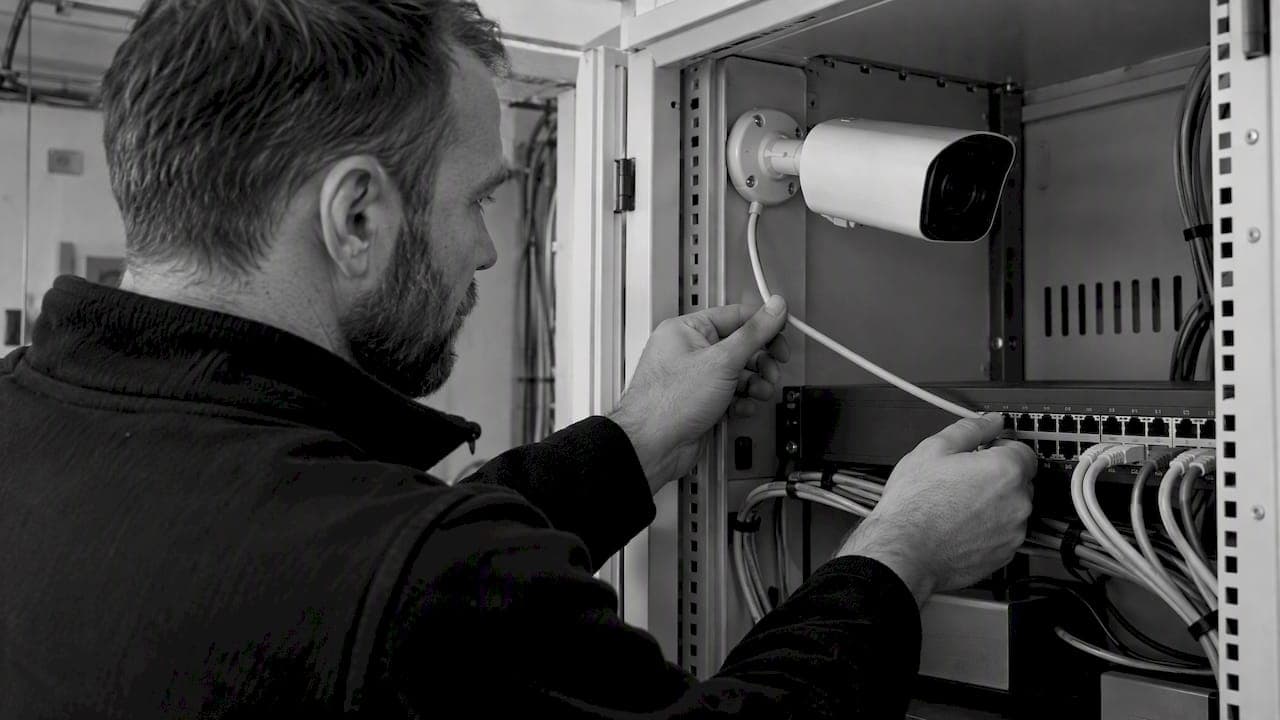
RTSP Security Risks: Integrators Must Block Exposed Ports 554 and 8554
See how integrators can reduce RTSP security risks: close exposed ports 554 and 8554, secure camera access, and verify each deployment with practical checks.
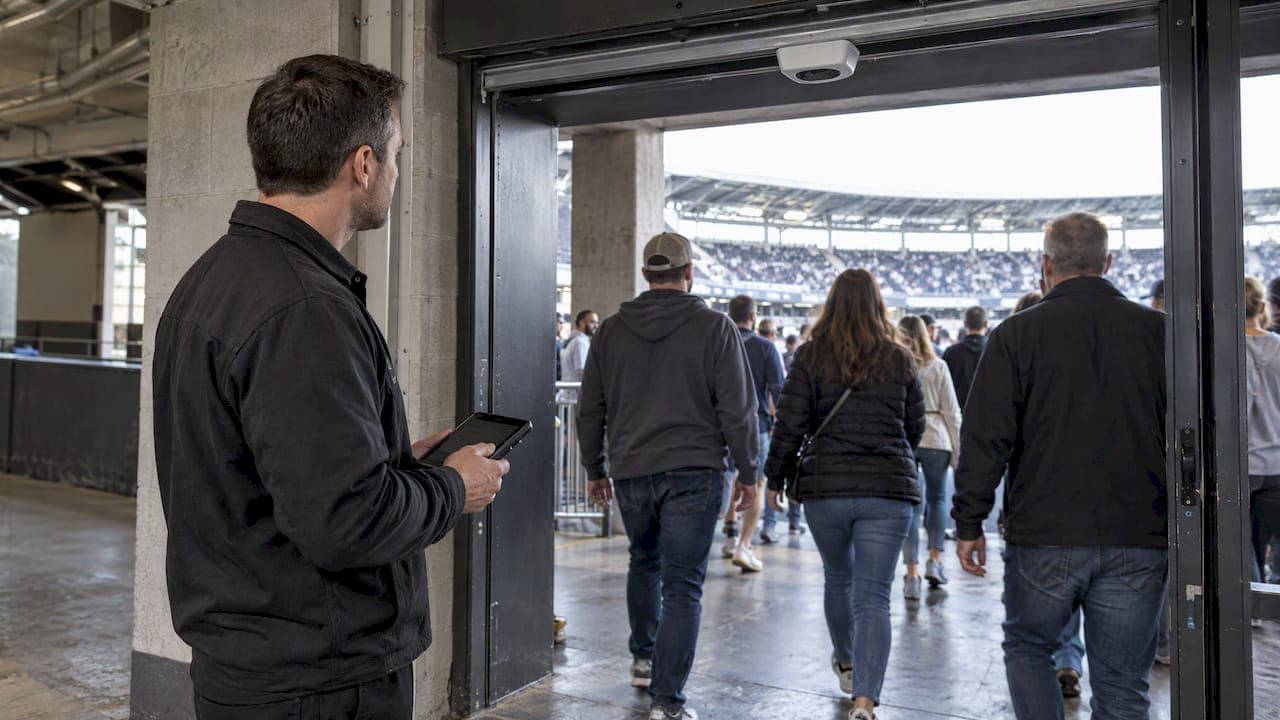
Require MAEpp and X Accuracy Before You Buy People Counting Systems
Verify people counting accuracy by demanding MAEpp, X Accuracy, and directional-bias reports. Validate on-site with at least 100 events per direction...
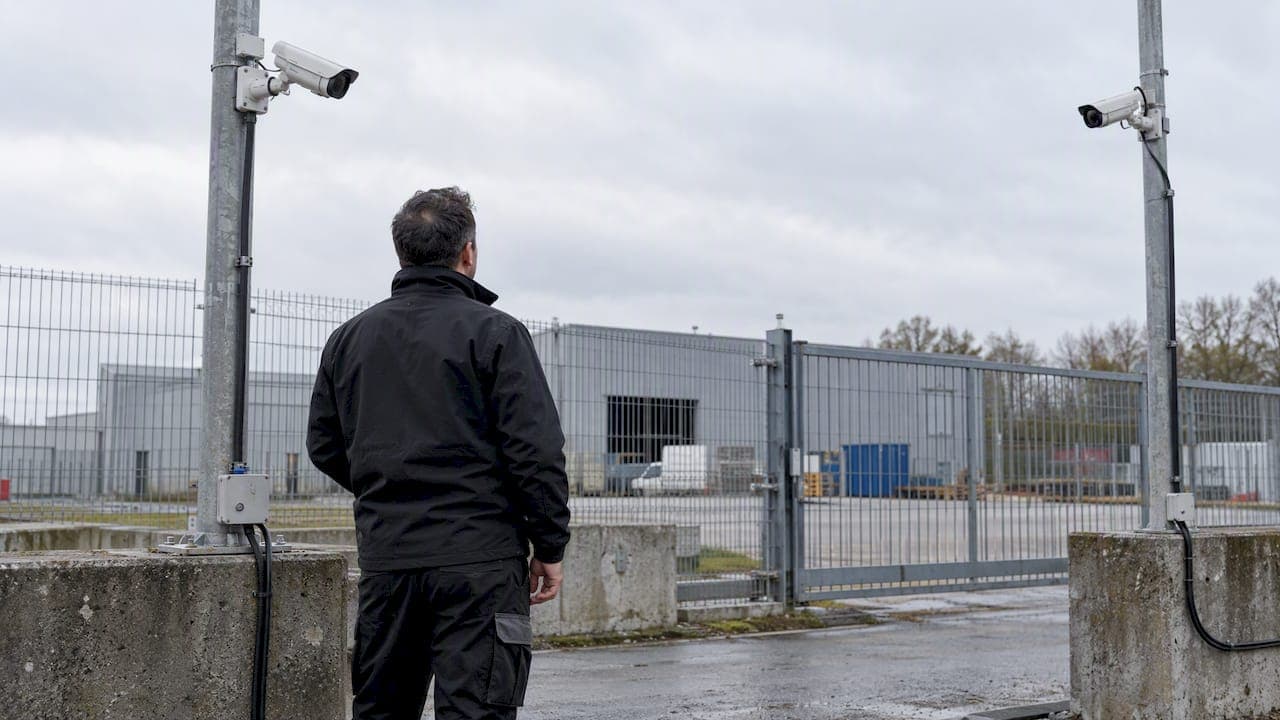
30–90 Day Pilot Validates Redundant Camera Networks for Engineers
Standards led, practical steps for engineers to deploy redundant camera networks: MRP, dual homing, and aggregation patterns, commissioning checks, and...
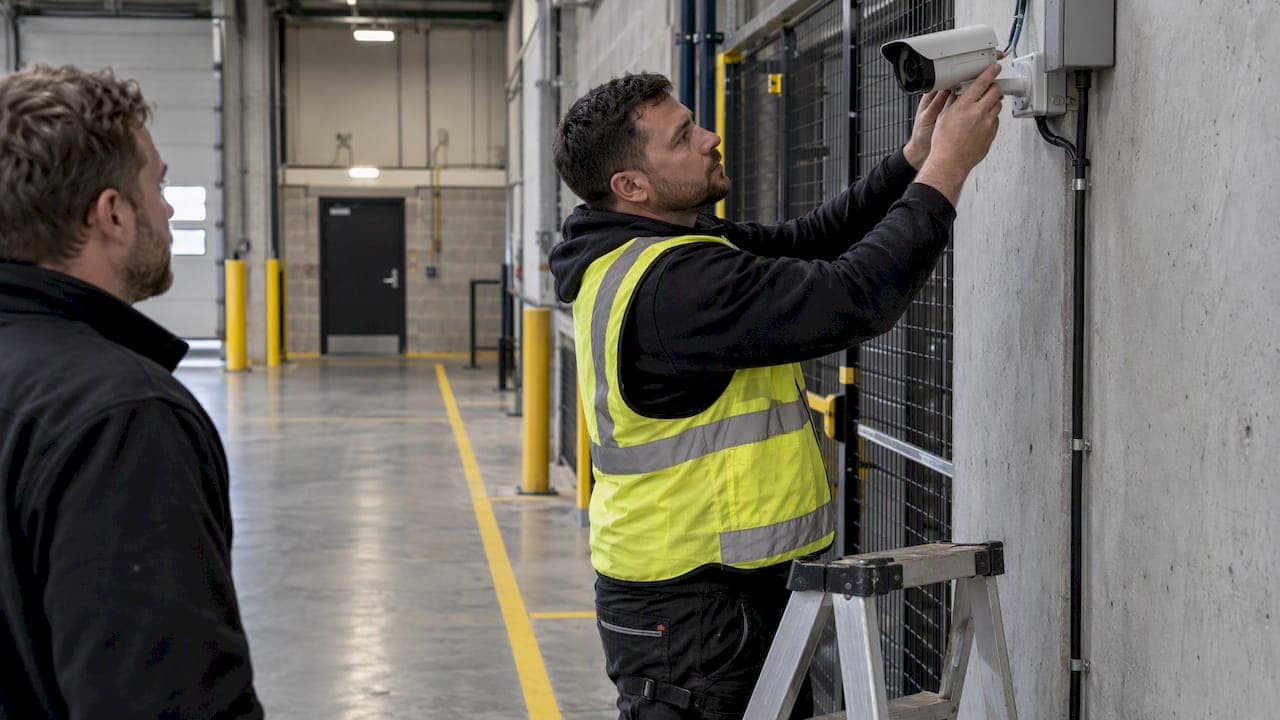
30 Day Pilot Proves Video Analytics Accuracy for Security Teams
Validate video analytics accuracy with scenario tests, camera tuning, transfer learning and a 30 day edge first pilot for security teams.
Let's Build YourSecurity Ecosystem.
Whether you're a System Integrator, Solution Provider, or an End-User looking for trusted advisory, our team is ready to help you navigate the BeyondSensor landscape.
Direct Advisory
Connect with our regional experts for tailored solutioning.