
Discover why scalable security solutions are crucial for modern organizations. Uncover insights to enhance detection speed and reduce breach costs.

Why Scalable Security Solutions Matter for Modern Organizations

TL;DR:
- Scalability in security is an operational challenge driven by manual workloads and alert fatigue, not detection technology flaws.
- Implementing AI-native platforms with automation and orchestration can dramatically reduce breach costs, detect threats faster, and improve program efficiency without proportional analyst increases.
Security teams today face a contradiction. Threats multiply while analyst capacity stays flat, and every new tool added to address the gap tends to create more noise than signal. Why scalable security solutions have become the defining question for security leadership is not an abstract concern. It is an operational reality affecting detection speed, breach costs, and the sustainability of the people protecting your organization. This article unpacks the real drivers behind scalability challenges, what modern solutions actually look like, and how organizations across sectors can build security programs designed to grow without breaking.
Table of Contents
- Key takeaways
- Why scalable security solutions are critical today
- Challenges that prevent security from scaling
- Modern approaches: AI-native and automated security models
- Scalable security best practices and frameworks
- My take on scaling security the right way
- How Beyondsensor powers scalable security operations
- FAQ
Key takeaways
| Point | Details |
|---|---|
| Scalability is an operational problem | Most security programs fail to scale because of friction and manual workload, not because of weak detection technology. |
| Alert fatigue is structural, not incidental | SOCs miss real threats because investigation capacity cannot keep pace with alert volume, not because analysts lack skill. |
| AI and automation reduce breach impact | Organizations using AI and automation extensively cut breach costs by up to $2.2M and detect incidents 98 days faster. |
| Best practices go beyond tooling | Scalable security requires orchestration, cultural alignment, and metrics tracking alongside the right technology. |
| Risk-based programs adapt better | Security frameworks tailored to organizational complexity and regulatory context scale more effectively than one-size approaches. |
Why scalable security solutions are critical today
A scalable security solution is one that maintains consistent protection, detection, and response quality as the organization grows in users, assets, data volume, and threat complexity. It is not simply a product that handles more endpoints. It is a program architecture designed to absorb change without degrading performance.
Several forces are accelerating the urgency of getting this right:
- Digital transformation expands the attack surface constantly. Cloud migration, remote work infrastructure, IoT deployments, and third-party integrations create new exposure faster than traditional security models can track.
- Regulatory complexity increases across every sector. GDPR, NIS2, PDPA across Southeast Asia, and sector-specific mandates require continuous compliance monitoring at scale, not point-in-time assessments.
- Talent scarcity makes headcount growth impractical as a long-term strategy. Scaling through headcount alone no longer works given chronic shortages and burnout rates.
- Threat sophistication means attackers move faster than manual workflows can respond.
The importance of scalable security is fundamentally tied to financial exposure. Breaches exceeding 200 days to contain cost organizations $5.01 million on average, compared to $3.87 million for those contained within 200 days. That $1.14 million gap is the direct cost of a security program that cannot respond at the speed threats demand.
Scalable security aligns protection with business velocity. When your security architecture can absorb a 10x increase in monitored assets without requiring a 10x increase in analyst hours, you have solved the core problem. That is the goal every decision-maker should be working toward.
Challenges that prevent security from scaling
Most organizations do not fail to scale security because they lack ambition. They fail because the problems are structural, and the common remedies make things worse.
The most visible symptom is alert fatigue. Enterprise SOCs receive between 2,992 and 4,400 security alerts daily, with 63% going unaddressed and over 70% of analysts reporting burnout. Average analyst tenure sits at under three years. When skilled analysts leave faster than organizations can train replacements, institutional knowledge drains away with them.
Alert fatigue is not a volume problem at its core. It is an investigation capacity problem. Analysts are not ignoring alerts because they choose to. They are ignoring them because there are physically not enough hours to investigate each one at the depth required.
The reflex response to this pressure is to hire more analysts. It does not scale. A fully loaded analyst costs approximately $300,000 annually, and training gaps mean new hires take months before they contribute at full capacity. The hiring pipeline cannot outpace alert growth.
Tool sprawl compounds the issue. The average enterprise security stack includes dozens of products from different vendors, each with its own interface, data format, and alert logic. Analysts context-switch between tools constantly. Correlating signals across fragmented systems requires manual work that slows investigation time significantly. The tools meant to help end up creating the bottleneck.

The consequences are not theoretical. Missed alerts become undetected intrusions. Slow investigation becomes prolonged dwell time. Extended dwell time translates directly into higher breach costs and greater operational disruption. Understanding the adaptive security approach to reducing noise is one practical path organizations can take to address this structural imbalance.
Modern approaches: AI-native and automated security models
The architecture shift that makes scalable security achievable is the move from tool-heavy, analyst-driven operations toward AI-native platforms where intelligence and automation are embedded in the detection and response workflow itself.
Here is what that looks like in practice:
- Automated triage and investigation. AI can investigate every alert in under two minutes, something no human team can replicate at scale. Autonomous AI investigation eliminates the bottleneck that causes alert fatigue, surfacing only confirmed threats that require human action.
- Continuous asset discovery. Modern platforms maintain a live inventory of all monitored assets, including cloud workloads, endpoints, and network devices, updating in real time as infrastructure changes. This removes the manual discovery work that traditionally delays threat modeling.
- Automated remediation workflows. Predefined playbooks handle known threat patterns automatically, from isolating compromised endpoints to blocking malicious IP addresses, without waiting for analyst intervention.
- Real-time compliance monitoring. AI-native platforms correlate configuration data against regulatory frameworks continuously, flagging deviations the moment they occur rather than during quarterly audits.
- Digital Security Teammates. Emerging platforms deploy AI agents that operate alongside human analysts, handling tier-1 and tier-2 investigations while analysts focus on complex threat hunting and strategic response.
The financial evidence for this model is compelling. Organizations that deploy security AI and automation extensively detect and contain incidents 98 days faster and cut breach costs by $1.8 million to $2.2 million per incident on average. Automation of repetitive tasks specifically frees 40% of analyst time for higher-value work, reduces mean time to respond by 45 to 55 percent, and cuts mean time to detect by 30 to 40 percent.
Understanding how AI integrates into security systems at the platform level is the right starting point for any organization evaluating this transition.
Pro Tip: When evaluating AI-native security platforms, ask vendors specifically how their system handles alert prioritization and what percentage of alerts are auto-closed without analyst review. That single metric reveals more about scalability than any feature checklist.
Scalable security best practices and frameworks
Technology is a necessary but insufficient condition for scalable security. The organizations that get this right treat implementation as an operational and cultural challenge, not a procurement decision.
The following comparison illustrates the difference between traditional and scalable security program design:
| Dimension | Traditional approach | Scalable approach |
|---|---|---|
| Alert handling | Manual triage by analysts | Automated prioritization with AI-assisted investigation |
| Asset inventory | Periodic manual discovery | Continuous automated discovery |
| Compliance monitoring | Quarterly audits | Real-time configuration monitoring |
| Incident response | Ad hoc workflows | Standardized playbooks with automated execution |
| Scaling method | Add headcount | Embed automation and AI capacity |
| Performance tracking | Subjective reporting | MTTR, MTTD, and false positive rate metrics |
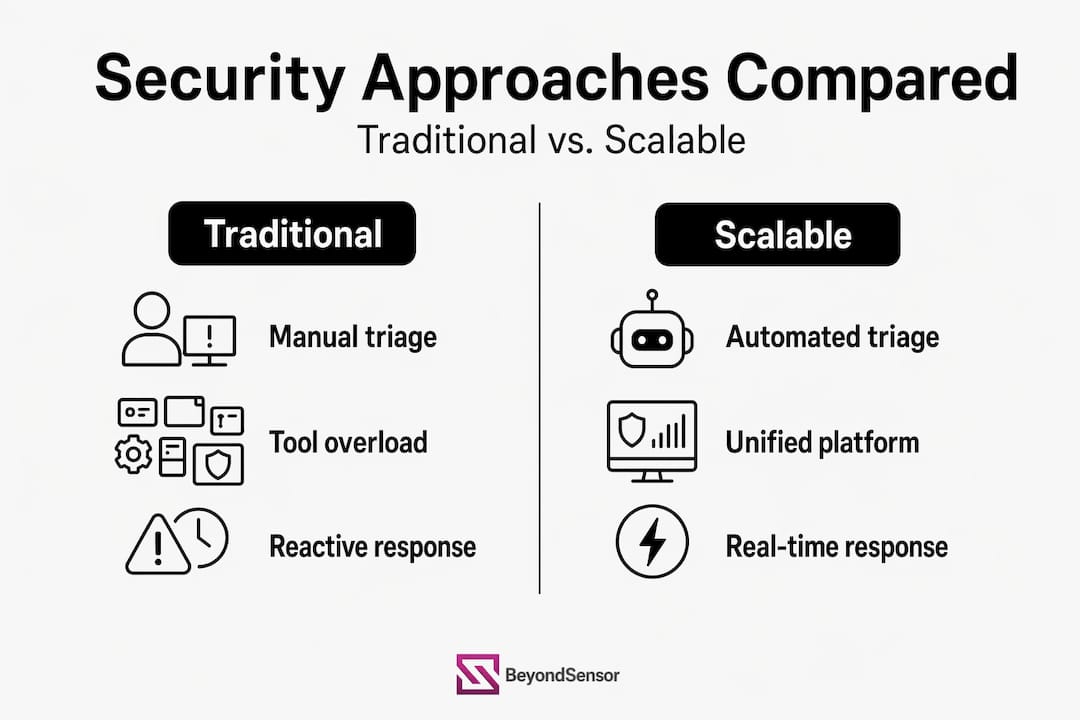
Operational fit is the often-overlooked factor. Security products fail at scale not because their detection logic is wrong but because they add manual friction to analyst workflows. Any platform that requires significant context-switching, data normalization, or manual correlation before an analyst can act will degrade at scale regardless of its technical capabilities.
Adaptive security at scale requires orchestration that connects detection with coordinated, real-time response across multiple teams and environments. Detection alone is not sufficient. If your threat detection surfaces an incident but your response workflow requires three approval steps and two different ticketing systems, the speed advantage disappears.
Risk-based program alignment is equally important. Large-scale security rollouts require tailored frameworks matched to organizational complexity, regulatory context, and risk tolerance. A flat, uniform security policy applied across a 5,000-person engineering organization will generate resistance and workarounds. Segmenting by risk tier and designing workflows for each segment produces measurably better adoption and coverage.
Cultural alignment drives the rest. Security programs that track clear metrics, share progress visibly, and integrate into existing workflows gain organizational trust. Programs that appear as overhead generate shadow IT and policy violations.
Pro Tip: Track MTTR and MTTD from day one of any new security platform deployment. Without baseline measurements, you cannot demonstrate ROI to leadership, and you cannot identify where the workflow still has friction six months in.
Reviewing physical security best practices alongside your digital program design ensures that sensor-based and infrastructure security layers scale in alignment with your broader risk framework.
My take on scaling security the right way
I have watched organizations go through the same cycle repeatedly. Alert volumes spike. Leadership approves headcount. New analysts arrive to find an environment so overwhelmed by noise that effective investigation feels impossible. Within 18 months, burnout replaces enthusiasm, turnover erases the investment, and the cycle restarts.
The organizations that break this cycle share one characteristic. They stopped treating security scaling as a hiring problem and started treating it as a workflow design problem. When you automate investigation, you do not just reduce analyst workload. You change what analysts spend their time on. AI never blinks. It investigates every alert with the same rigor at 3 a.m. on a Sunday as it does at 9 a.m. on a Tuesday. Humans cannot do that, and expecting them to is how you lose good people.
What genuinely moves the needle is combining AI-driven automation with clear operational design. That means defined playbooks, real-time metrics, and explicit decisions about what humans own versus what the system handles. The organizations I have seen get this right do not have the largest security teams. They have the most deliberate program architecture.
The future of scalable security is not more tools. It is fewer, better-integrated systems doing more of the repetitive work so analysts can do what AI cannot: apply judgment, context, and institutional knowledge to the threats that actually matter.
— Eumir
How Beyondsensor powers scalable security operations

Beyondsensor builds AI-native sensing and security platforms designed specifically for the operational complexity that modern organizations face. If the challenges in this article feel familiar, the Beyondsensor approach offers a direct response. The platform reduces alert noise through intelligent prioritization, accelerates incident response with automated playbooks, and delivers continuous compliance visibility across physical and digital infrastructure. Whether you operate across industrial facilities, smart infrastructure, or multi-site government deployments, the architecture scales without adding proportional analyst overhead. Beyondsensor's system integrator solutions and its BeyondSecure innovation platform are purpose-built to help your security program grow with your organization, not lag behind it.
FAQ
What is a scalable security solution?
A scalable security solution is a program architecture that maintains consistent protection, detection, and response quality as an organization grows in assets, users, and threat complexity. It combines automated workflows, AI-driven triage, and integrated tooling to expand capacity without requiring proportional increases in analyst headcount.
Why choose scalable security solutions over traditional approaches?
Traditional security models rely heavily on manual analyst work and headcount growth, both of which cannot keep pace with modern threat volume. Scalable approaches using AI and automation detect incidents 98 days faster and reduce breach costs by $1.8 million to $2.2 million compared to organizations without automation.
How does alert fatigue affect security scalability?
Alert fatigue occurs when investigation capacity cannot match alert volume. Enterprise SOCs receive up to 4,400 alerts daily with 63% going unaddressed, meaning real threats routinely go undetected. AI-driven autonomous investigation solves this by handling every alert thoroughly and fast.
What metrics should organizations track for scalable security?
The two most critical metrics are Mean Time to Detect (MTTD) and Mean Time to Respond (MTTR). Automation consistently reduces MTTD by 30 to 40 percent and MTTR by 45 to 55 percent, giving leadership a quantifiable measure of program improvement over time.
Why invest in scalable security rather than expanding the security team?
Hiring more analysts is expensive at roughly $300,000 per analyst per year, slow due to training timelines, and unsustainable because of burnout rates that keep average analyst tenure under three years. AI-native platforms deliver capacity that scales with threat volume without the same cost curve or retention risk.
Recommended
Read More Articles

RTSP Security Risks: Integrators Must Block Exposed Ports 554 and 8554
See how integrators can reduce RTSP security risks: close exposed ports 554 and 8554, secure camera access, and verify each deployment with practical checks.

Require MAEpp and X Accuracy Before You Buy People Counting Systems
Verify people counting accuracy by demanding MAEpp, X Accuracy, and directional-bias reports. Validate on-site with at least 100 events per direction...
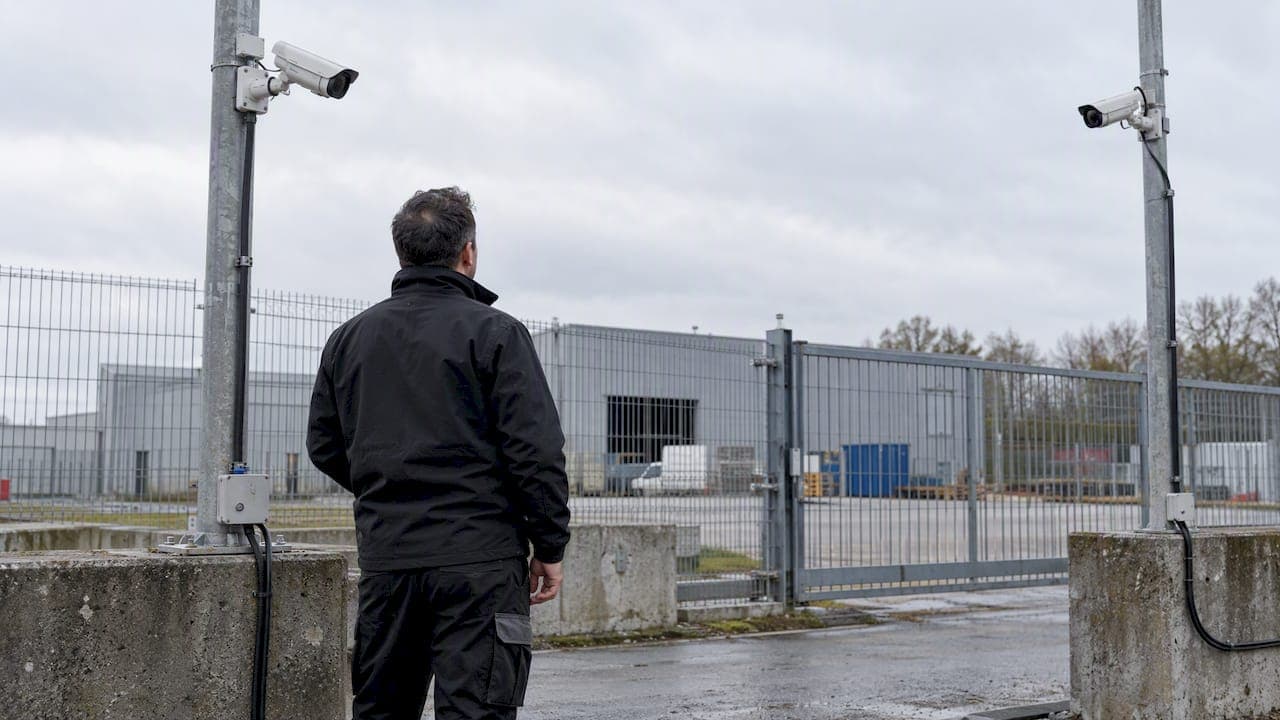
30–90 Day Pilot Validates Redundant Camera Networks for Engineers
Standards led, practical steps for engineers to deploy redundant camera networks: MRP, dual homing, and aggregation patterns, commissioning checks, and...
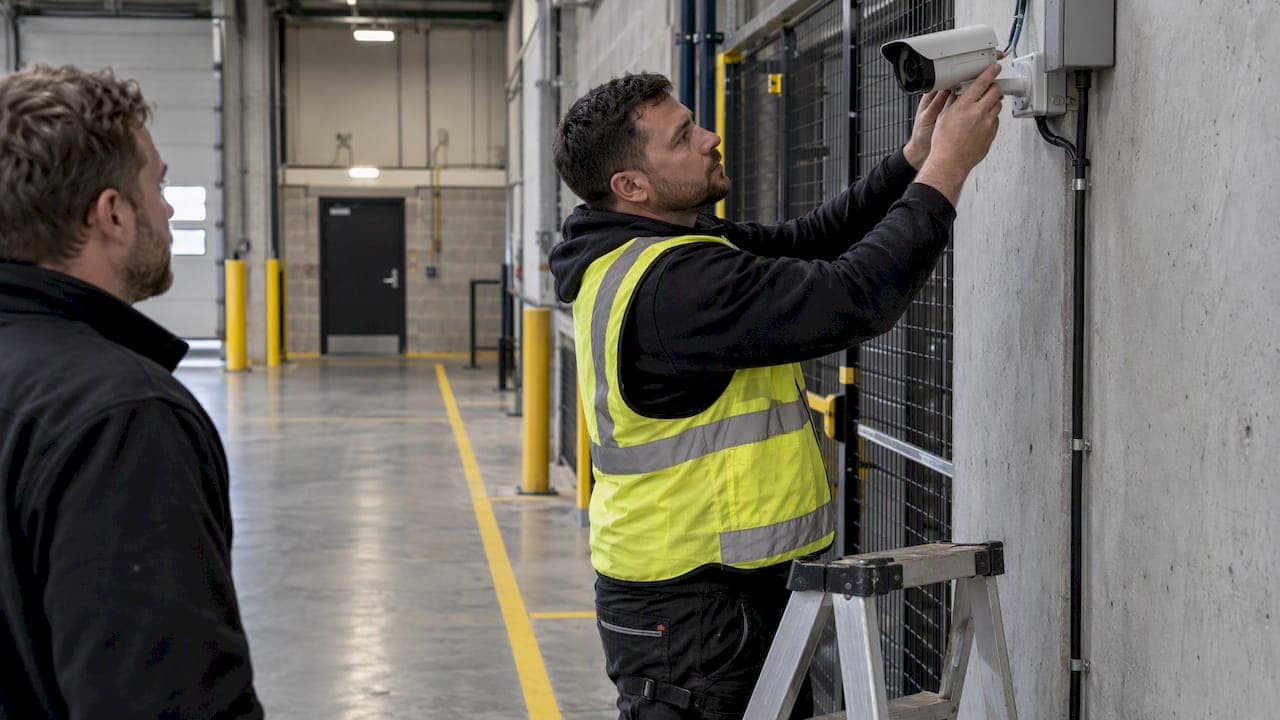
30 Day Pilot Proves Video Analytics Accuracy for Security Teams
Validate video analytics accuracy with scenario tests, camera tuning, transfer learning and a 30 day edge first pilot for security teams.
Let's Build YourSecurity Ecosystem.
Whether you're a System Integrator, Solution Provider, or an End-User looking for trusted advisory, our team is ready to help you navigate the BeyondSensor landscape.
Direct Advisory
Connect with our regional experts for tailored solutioning.