
Discover how a situational awareness platform transforms scattered data into actionable insights for security and operations teams.
What a Situational Awareness Platform Actually Delivers
A situational awareness platform pulls scattered sensor, camera, and communications data into one unified operational picture, so security and operations teams can act on verified facts instead of fragments. It matters because most incidents don't fail from a lack of data. They fail because that data sits in six different systems no one checks at the same time.
The strongest platforms share key traits:
- Data fusion that merges CCTV, IoT, RF, satellite, and other feeds into a single correlated event stream
- Real-time visualization with map layers and role-based dashboards operators can read in seconds, not minutes
- Prioritized alerting that surfaces the most critical incidents amid numerous less important alerts
The rest of this guide walks through core capabilities, sensor fusion and open standards, real-time analytics, deployment architecture, and a practical evaluation checklist. It closes with how Beyondsensor approaches deployment for security agencies and integrators.
Key Takeaways
A situational awareness platform succeeds when open sensor fusion, edge-ready resilience, and human-validated decision workflows work together, not in isolation.
| Point | Details |
|---|---|
| Prioritize open standards | Choose platforms supporting frameworks like BSI Flex 335 SAPIENT to avoid vendor lock-in and enable plug-and-play sensors. |
| Design for disconnection | Require mesh networking, local caching, and multi-path communications for crisis-grade continuity. |
| Keep operators in control | Build escalation and validation steps into every AI-assisted alert before high-stakes action is taken. |
| Pilot before you commit | Measure MTTA, false-positive reduction, and operator time savings during a scoped trial, not a vendor demo. |
| Evaluate BeyondSensor for deployment | BeyondSensor pairs sensor hardware, fusion software, and SI partnerships for pilot-ready, edge-capable deployments. |
Table of Contents
- What Should a Situational Awareness Platform Include?
- How Does Sensor Fusion Reduce Operator Fatigue?
- What Do Real-Time Analytics Add to Operator Decisions?
- Should You Deploy on the Cloud, the Edge, or Both?
- How Do You Evaluate and Pilot a Platform?
- Proof Points and How Deployments Actually Get Built
- How Should New Operators Get Onboarded?
- Why Open Standards and Human Oversight Matter More Than Feature Lists
- BeyondSensor: How We Help You Build a Resilient Common Operating Picture
- Sources
What Should a Situational Awareness Platform Include?
Feature lists vary by vendor, but the categories that separate a working platform from a glorified dashboard don't change much. Start with ingestion. A platform earns its keep by connecting to CCTV networks, IoT sensors, RF detection gear, satellite telemetry, and even social media feeds without forcing a rip and replace of what you already own, as detailed in CCTV integration best practices.
Visualization comes next, and it's where most legacy tools show their age. Modern platforms layer GIS mapping, augmented reality overlays, and role-based dashboards so a control room supervisor sees a different view than a field commander, even though both are looking at the same underlying data. CGI's Sense360 platform illustrates this well, blending satellite, drone, and environmental data with AI and AR for disaster coordination.
Alerting and audit trails matter just as much as the pretty maps. Every incident needs a timestamped, tamper-resistant record for after-action review and regulatory compliance. And command-and-control functions, tasking, secure chat, and mission timelines, turn the platform from a monitoring tool into an actual coordination system.
Core capabilities to look for:
- Multi-source ingestion (CCTV, IoT, RF, satellite, social feeds)
- Map-based visualization with role-specific dashboards
- Automated, priority-ranked alerts with full audit trails
- Tasking and mission timeline tools for command staff
Pro Tip: Test ingestion with your ugliest, oldest camera feed first. If a platform handles your worst legacy hardware cleanly, it will handle everything else without a fight.
How Does Sensor Fusion Reduce Operator Fatigue?
Sensor fusion takes raw signals from multiple sources and turns them into a single classified, correlated event, rather than five separate alerts an operator has to mentally stitch together. Organizations are moving past basic monitoring toward platforms that combine RF detection, CCTV, IoT, and satellite telemetry into one common operating picture specifically to cut bandwidth use and reduce the cognitive load on human operators.
Open standards are what make this scalable instead of a custom integration project every time you add a sensor. Frameworks like BSI Flex 335 SAPIENT define how sensors and platforms exchange data, which means a new radar unit or camera can plug into an existing system rather than requiring a bespoke driver built from scratch. Practitioners increasingly treat this kind of vendor-agnostic architecture as domain-agnostic too. The same fusion and telemetry patterns that work at a port work at a smart city or a disaster recovery site, provided the underlying platform stays modular and standards-based.
What you get in return:
- Fewer false alarms because correlated events replace raw, duplicate signals
- Lower bandwidth consumption since fusion happens before data hits the network
- A single, defensible evidence record instead of six disconnected logs
- Freedom to swap or add sensors without renegotiating your whole architecture
If you want a deeper technical breakdown of how fusion pipelines are built, BeyondSensor's guide to sensor fusion technology covers the architecture in more detail.
What Do Real-Time Analytics Add to Operator Decisions?
Analytics only earns its place in the stack if it shortens the time between "something happened" and "someone qualified made a call." Stream processing techniques like geofencing, anomaly scoring, and temporal correlation flag the events worth a human's attention while suppressing the noise. A geofence breach at 3 a.m. combined with an anomalous heat signature is a different alert than either event alone, and fusion logic is what makes that connection instantly instead of after someone reviews footage the next morning.
The output should be actionable, not just informative: suggested tasks, dynamically updated maps, and recommended escalation paths. Tactical systems like Sit(x) demonstrate this pattern in mobile, TAK-compatible deployments built for field coordination.
None of this replaces the operator, and it shouldn't try to. Security practitioners are consistent on this point: even advanced AI-generated outputs require human-in-the-loop validation before high-stakes decisions get made. That's the difference between decision support and decision replacement, and it's why human oversight in threat detection remains a design requirement, not an afterthought.
- Geofencing and anomaly scoring cut through duplicate or low-value alerts
- Suggested tasking and dynamic mapping shorten decision time
- Escalation workflows keep a documented chain of human approval
- Full audit logging supports both compliance and after-action review
In practice, teams running fused analytics against raw video review report catching correlated incidents in minutes rather than the hours it takes to manually cross-reference separate camera and sensor logs.
Should You Deploy on the Cloud, the Edge, or Both?
Cloud-first platforms are easy to scale and update, but they fail exactly when you need them most, during a network outage or a deliberate communications blackout. Edge-first platforms trade some of that convenience for resilience: processing happens locally, so the system keeps working even when the network doesn't. Most serious deployments in 2026 land on a hybrid model, running fusion and alerting at the edge while syncing to the cloud when connectivity allows.
- Require mesh networking so devices can relay data to each other without a central hub.
- Demand local caching and store-and-forward buffering so no incident data is lost during an outage.
- Insist on multi-path communications, satellite fallback alongside terrestrial links, for crisis-grade continuity.
- Confirm data sovereignty and access controls are enforced locally, not just at a distant cloud layer.
Edge-ready architecture patterns, including mesh networking and disk-backed buffering, are what separate platforms that merely claim resilience from ones that actually deliver it during a real outage.
Pro Tip: Ask any vendor to demonstrate their platform with the internet connection physically unplugged. If the demo stalls, so will your operation during an actual crisis.
How Do You Evaluate and Pilot a Platform?
Procurement decisions here are expensive to reverse, so a structured evaluation beats a vendor's slide deck every time. Start with direct questions, then move to a scoped pilot before signing anything long-term.
Questions worth asking every vendor:
- Which open standards does the platform support for sensor interoperability?
- What sensor types are natively supported versus requiring custom adapters?
- Can the system operate fully offline, and for how long, before syncing?
- What SLAs govern uptime, support response, and data retention?
Once you've shortlisted a vendor, structure the pilot around measurable outcomes rather than a general "see how it feels" trial:
- Define a limited scope: one site, one sensor mix, a fixed time window.
- Set success metrics up front, including mean time to acknowledge (MTTA), reduction in false-positive alerts, and hours of operator time saved per week.
- Run interoperability tests against your actual legacy hardware, not vendor-supplied demo units.
- Benchmark latency and throughput under realistic load, not idle conditions.
- Document licensing structure, integration effort, and total cost of ownership, including support and future sensor onboarding.
BeyondSensor's practitioner's guide to building a security common operating picture walks through how to translate these pilot metrics into a broader deployment roadmap.
Proof Points and How Deployments Actually Get Built
Real deployments rarely come from a single vendor dropping in a finished product. They come from combining hardware, software, and system integrator expertise into something that fits the specific site. BeyondSensor works this way across industrial automation, environmental monitoring, smart infrastructure, and physical security, with a regional footprint spanning Singapore, Malaysia, and the Philippines, plus upcoming offices in Thailand and Vietnam.
A typical integration approach looks like this:
- Sensor hardware selection matched to the environment (indoor, outdoor, harsh industrial conditions)
- Software layer for fusion, visualization, and alerting, built on open interoperability standards
- System integrator partnership for site-specific wiring, network design, and commissioning
- Post-deployment handover with documented compliance evidence and support pathways
A platform is only as trustworthy as the evidence trail it leaves behind. Compliance isn't a checkbox at the end of a project. It's a design requirement from the first sensor you connect.
Support doesn't end at go-live. Ongoing calibration, firmware updates, and compliance documentation matter as much as the initial install, especially for government and regulated facility clients.
How Should New Operators Get Onboarded?
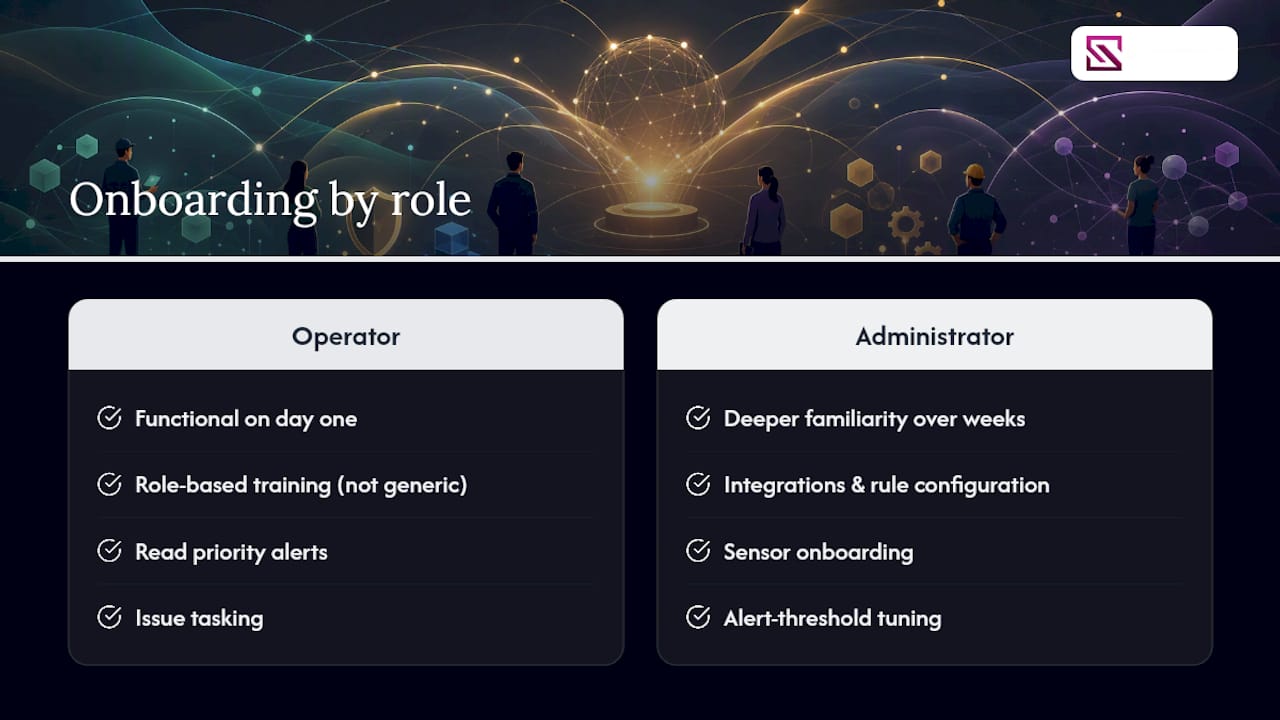
A platform's technical quality doesn't matter much if the people running it can't use it under pressure. Onboarding for a situational awareness platform needs to account for two very different learning speeds: the control room operator who needs to be functional on day one, and the administrator who needs deeper familiarity with integrations and rule configuration over weeks.
Effective onboarding programs typically start with role-based training rather than a single generic course. A field commander needs to know how to read priority alerts and issue tasking. A back-office administrator needs to understand sensor onboarding, alert threshold tuning, and audit log retrieval. Bundling both groups into identical training wastes time and leaves gaps in both.
Ongoing support matters more than the initial rollout, honestly. Sensor ecosystems change: new cameras get added, RF hardware gets swapped, firmware updates shift how alerts behave. A support model built around ticket queues alone tends to leave operational teams stuck during exactly the moments they can least afford delay. Look for vendors offering direct access to technical support during pilot and early deployment phases, structured runbooks for common failure scenarios, and periodic refresher training as the platform's rule sets evolve.
The platforms that hold up over years, not just through a successful demo, are the ones where support doesn't disappear after the invoice clears.
Why Open Standards and Human Oversight Matter More Than Feature Lists
Most procurement conversations focus on feature checklists: how many sensor types, how many dashboard views, how flashy the AR overlay looks. That's the wrong starting point. The platforms that hold up over a five-year deployment window are the ones built on open interoperability and edge resilience, not the ones with the longest feature list at launch.
Conventional advice treats human-in-the-loop design as a compliance requirement, something you add to satisfy an auditor. That undersells it. Operator validation isn't a brake on the system. It's what keeps a fused, AI-assisted alert from becoming a false arrest or a missed evacuation order. The platforms getting this right build escalation and validation into the workflow itself, not as an afterthought layered on top.
If there's one thing worth prioritizing first, it's interoperability. A platform locked to one vendor's sensors will always cost more to extend than one built on open standards like SAPIENT. That cost shows up years later, when you're stuck negotiating with a single supplier instead of shopping the open market.
— Eumir
BeyondSensor: How We Help You Build a Resilient Common Operating Picture
BeyondSensor designs sensor-based security solutions around exactly the priorities this guide covers: open interoperability, edge resilience, and human-in-the-loop control. We run scoped pilots that integrate your existing CCTV, IoT, and RF sensors into a unified operational picture, deploying edge-capable architecture that keeps working through network outages instead of failing at the worst moment.

Our deployment model pairs hardware and software with regional system integrator partners, so you get a solution fitted to your site rather than a generic package. If you're evaluating platforms for a security agency, industrial facility, or smart infrastructure project, request a pilot or demo through our security agency solutions page to see how a scoped trial maps to your own environment and sensor mix.
Sources
For technical and procurement teams verifying claims in this guide: the SAPIENT-Proto-Files repository documents the open interoperability standard referenced throughout. Actian's edge AI architecture guide details resilience patterns for disconnected environments. The 2024 IEEE conference paper on situational awareness covers real-time command architecture design in academic depth.
- SAPIENT-Proto-Files (GitHub)
- 5 edge AI architecture patterns for disconnected environments (Actian blog)
Recommended
- Why Context-Aware Security Matters for Modern Teams | News | BeyondSensor
- Smart Sensor Platforms for Physical Security: 2026 Guide | News | BeyondSensor
- Advanced sensing technologies: A practical guide for security managers | News | BeyondSensor
- Intelligent Alerting Systems Explained for Security Teams | News | BeyondSensor
Read More Articles
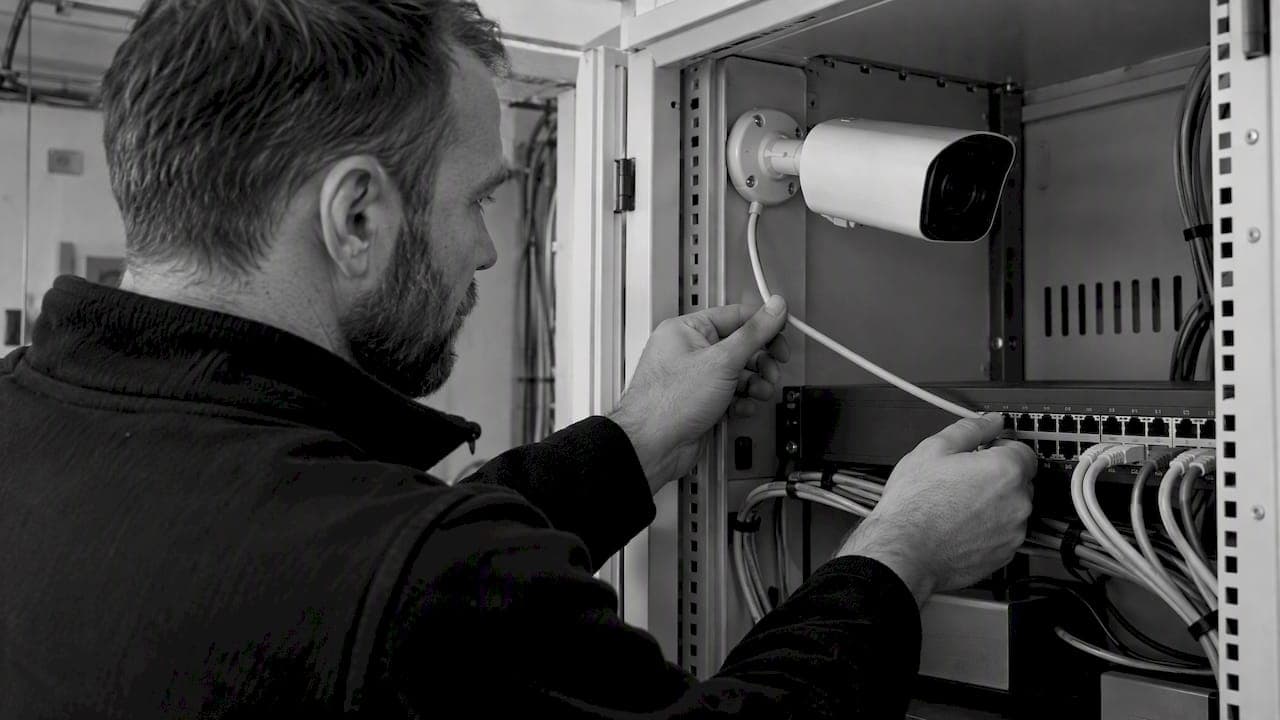
RTSP Security Risks: Integrators Must Block Exposed Ports 554 and 8554
See how integrators can reduce RTSP security risks: close exposed ports 554 and 8554, secure camera access, and verify each deployment with practical checks.
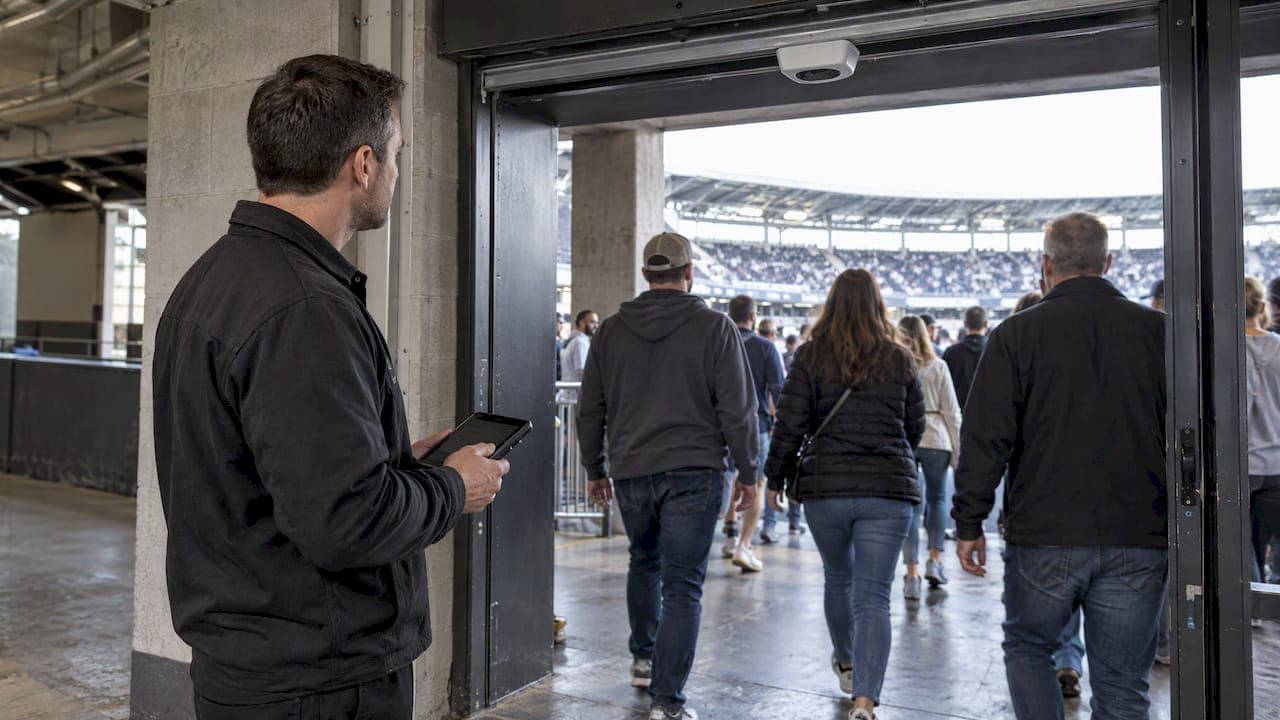
Require MAEpp and X Accuracy Before You Buy People Counting Systems
Verify people counting accuracy by demanding MAEpp, X Accuracy, and directional-bias reports. Validate on-site with at least 100 events per direction...
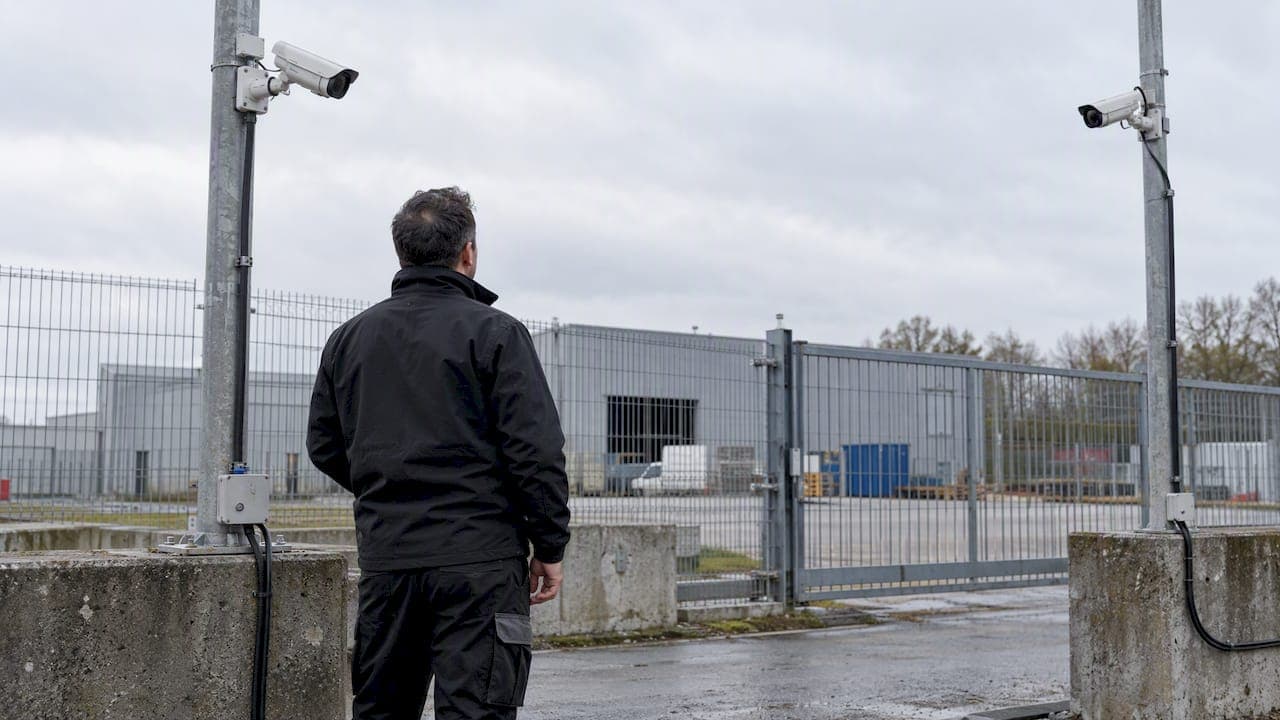
30–90 Day Pilot Validates Redundant Camera Networks for Engineers
Standards led, practical steps for engineers to deploy redundant camera networks: MRP, dual homing, and aggregation patterns, commissioning checks, and...
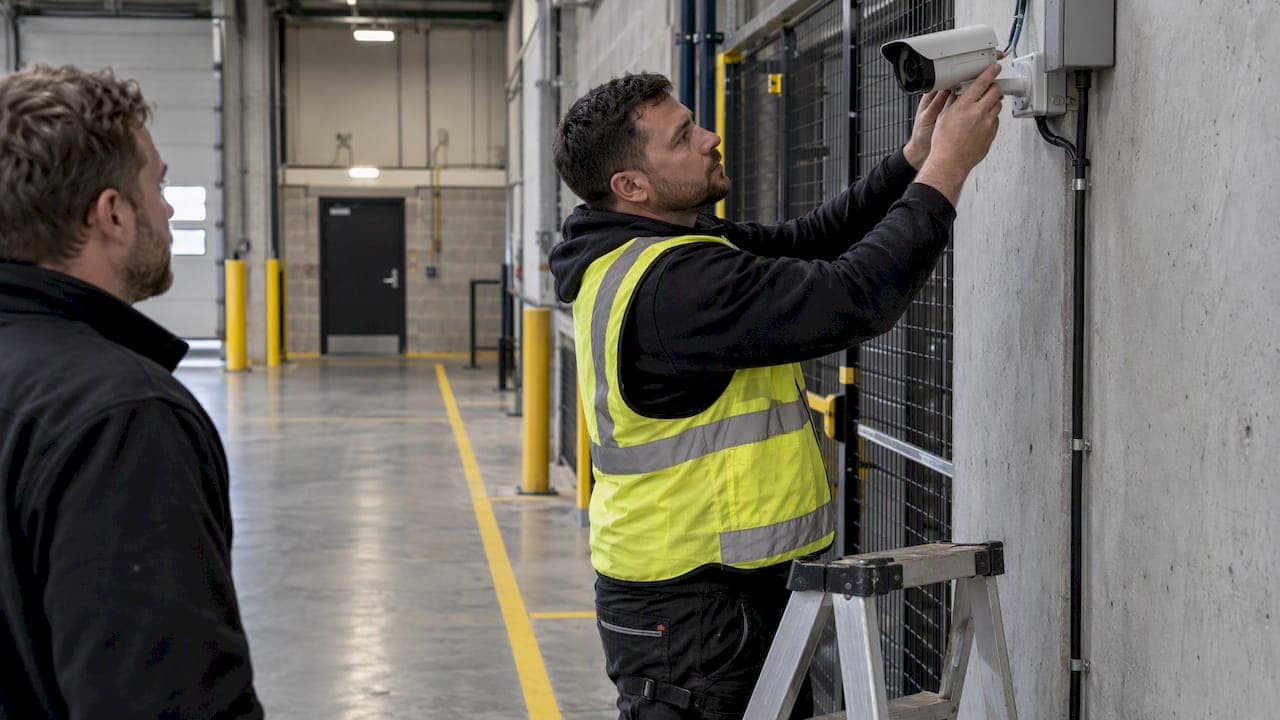
30 Day Pilot Proves Video Analytics Accuracy for Security Teams
Validate video analytics accuracy with scenario tests, camera tuning, transfer learning and a 30 day edge first pilot for security teams.
Let's Build YourSecurity Ecosystem.
Whether you're a System Integrator, Solution Provider, or an End-User looking for trusted advisory, our team is ready to help you navigate the BeyondSensor landscape.
Direct Advisory
Connect with our regional experts for tailored solutioning.