
Unlock the potential of a remote sensor monitoring guide to enhance decision-making. Optimize maintenance and improve efficiency with smart technology.

Remote Sensor Monitoring Guide for Decision-Makers

TL;DR:
- Effective remote sensor monitoring depends on clear goals, proper technology selection, and secure scalable architecture.
- Successful deployments feature designated ownership, thorough testing, and trained teams to ensure operational trust and system reliability.
Remote sensor monitoring is defined as the continuous, automated collection and transmission of physical or environmental data from distributed sensor nodes to a centralized platform for analysis and response. For professionals managing industrial facilities, smart infrastructure, or physical security operations, this capability transforms reactive maintenance into proactive control. Technologies like LoRaWAN, cellular IoT, and AI-driven analytics now make it practical to monitor hundreds of assets across multiple sites from a single dashboard. This guide covers every stage of implementation, from goal setting and sensor selection to secure architecture design and live deployment, so your team can build a system that actually delivers operational value.
What is a remote sensor monitoring guide and why does it matter?
A remote sensor monitoring guide provides the structured framework professionals need to move from concept to a functioning, secure monitoring system. Remote monitoring systems collect data from sensors and transmit it to central platforms, enabling early detection and rapid response across distributed assets. That definition matters because many organizations deploy sensors without a framework, resulting in fragmented data, missed alerts, and wasted capital.
The industry term for this discipline is Industrial IoT (IIoT) monitoring or remote condition monitoring, depending on the sector. Both terms describe the same core architecture: sensors at the edge, communication middleware, and a central analytics layer. Understanding this terminology helps when evaluating vendors, reading compliance documentation, or briefing executive stakeholders who may encounter both phrases.
The business case is direct. Real-time monitoring reduces unplanned downtime, improves asset visibility, and strengthens physical security posture simultaneously. Organizations that treat sensor monitoring as a strategic infrastructure investment, rather than a tactical IT project, consistently extract more value from the same hardware.
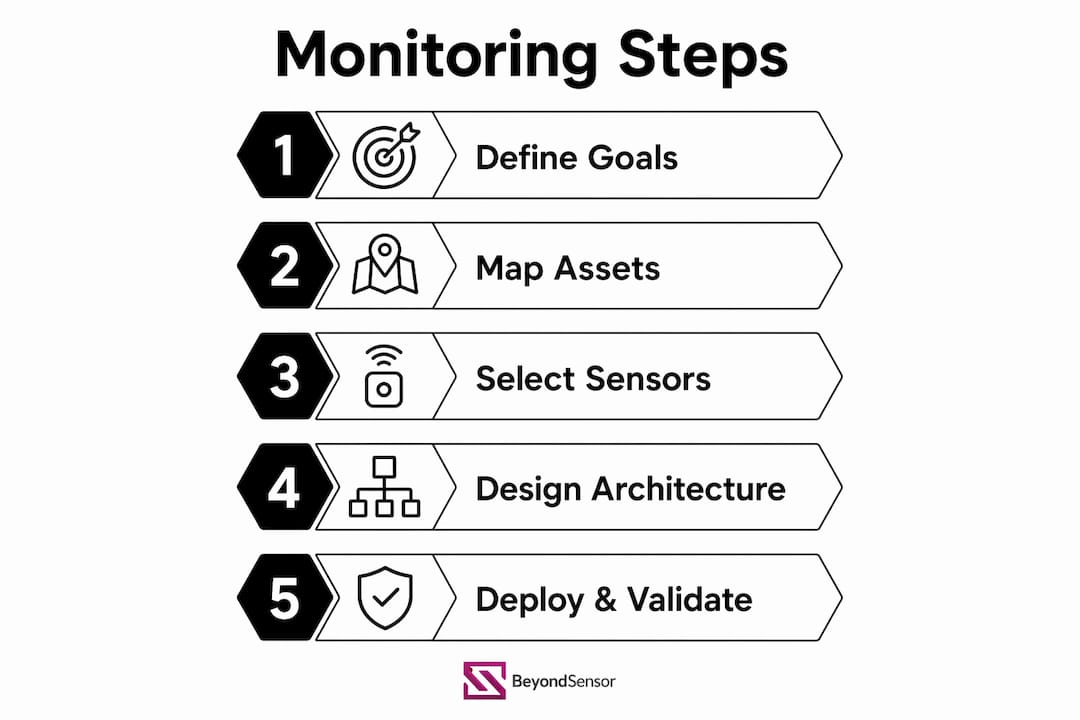
How to define monitoring goals and identify critical assets
Clear goal definition is the single most important step in any sensor monitoring deployment. Without it, teams instrument everything and learn nothing. The goal-setting process forces you to answer three questions: what operational outcome do you need, which assets directly affect that outcome, and what data signals indicate a problem before it becomes a failure.
Start by mapping your critical assets across three categories:
- High-consequence equipment: Assets whose failure causes immediate safety risk, production stoppage, or regulatory violation. Examples include HVAC chillers in data centers, pressure vessels in chemical plants, and access control systems in secure facilities.
- High-frequency failure points: Assets that fail often and consume disproportionate maintenance labor. Pump seals, conveyor bearings, and electrical panels in manufacturing environments typically fall here.
- Compliance-driven monitoring targets: Assets where regulators or insurers require documented condition data. In healthcare, this includes cold storage units for pharmaceuticals and medical devices subject to FDA oversight.
Once assets are mapped, align each monitoring target to a specific metric. A chiller maps to supply water temperature and compressor current draw. A perimeter fence maps to vibration and tilt. This specificity prevents over-instrumentation, which is one of the most common and costly mistakes in IoT condition monitoring.
Pro Tip: Build your asset inventory in a shared document before purchasing a single sensor. Cross-functional input from operations, maintenance, and security teams consistently surfaces monitoring gaps that IT-only planning misses.
Which sensors and connectivity technologies should you choose?
Sensor selection and connectivity choice are the two decisions that most directly determine system cost, reliability, and maintenance burden. Getting them right requires matching technology specifications to your actual operating environment, not to a vendor's marketing sheet.

Sensor types by application
| Sensor Type | Best Use Case | Key Specification |
|---|---|---|
| Vibration | Rotating equipment: motors, pumps, fans | Frequency range (Hz), sensitivity (mV/g) |
| Temperature | Cold chain, HVAC, electrical panels | Accuracy (±°C), response time |
| Pressure | Pipelines, hydraulic systems, tanks | Range (PSI/bar), burst pressure rating |
| Current (CT) | Electrical load monitoring, motor health | Clamp size, measurement range (A) |
| Environmental (gas, humidity, particulate) | Air quality, industrial safety, cleanrooms | Detection threshold, cross-sensitivity |
Connectivity options compared
LoRaWAN is the preferred protocol for low-maintenance, long-distance monitoring of unattended infrastructure sites. It offers 2 to 15 km range and battery life of 5 to 10 years, making it the dominant choice for outdoor tanks, remote substations, and agricultural monitoring. That range advantage comes with a tradeoff: LoRaWAN supports low data rates, so it suits periodic telemetry rather than continuous high-frequency streaming.
Wi-Fi suits indoor environments with existing network infrastructure and high data throughput requirements, such as video-integrated sensor nodes or real-time vibration analysis. Cellular (4G/5G) covers sites where no local network exists and where the data budget justifies the higher operating cost. Bluetooth and Zigbee serve short-range mesh applications inside buildings, including smart lighting, HVAC zone control, and access point monitoring.
Battery-powered IoT sensors last approximately 3 to 5 years depending on transmission interval and protocol, with LoRaWAN-connected nodes reaching the upper end of that range. This directly affects total cost of ownership calculations, particularly for large-scale deployments where battery replacement labor is a real budget line.
Environmental factors like signal attenuation and electromagnetic interference significantly affect transmission reliability in industrial settings. Steel structures, dense concrete, and high-voltage equipment all degrade wireless performance in ways that lab specifications do not capture.
Pro Tip: Always conduct a site radio frequency survey before finalizing your connectivity choice. A 30-minute walk-through with a spectrum analyzer prevents months of troubleshooting after installation.
How do you design a secure, scalable monitoring architecture?
Architecture design determines whether your monitoring system scales gracefully or becomes a maintenance burden at 50 sensors that collapses at 500. The two dominant patterns are centralized cloud processing and distributed edge processing, and most production systems use both.
Separating edge processing from central analytics enhances modularity and enables faster fault detection. Edge hubs log data locally, execute threshold-based alerts without cloud dependency, and forward aggregated telemetry for trend analysis. This architecture reduces latency for time-critical alerts and maintains functionality during network outages. A temperature excursion in a pharmaceutical cold room cannot wait for a round trip to a cloud server.
Security architecture deserves equal attention. NIST SP 1800-36 recommends establishing device trust before network credential assignment and maintaining secure device postures throughout the full lifecycle. This means every sensor node must be authenticated before it joins the network, and its security posture must be verified continuously, not just at onboarding. The practical implication is that your platform needs device identity management, not just device management.
Key architectural controls to build in from day one:
- Encrypted data transmission: TLS 1.3 for data in transit; AES-256 for data at rest in the central platform.
- Role-based access controls (RBAC): Operators see dashboards; engineers access configuration; administrators manage device lifecycle. No single role should have unrestricted access.
- Network segmentation: Sensor networks should sit on isolated VLANs, separated from corporate IT networks and from each other where different security zones exist.
- Audit logging: Every configuration change, alert acknowledgment, and access event must be logged with timestamps and user identity for compliance and forensic purposes.
Modular design also matters for long-term scalability. Standardizing telemetry collection into a unified monitoring platform prevents fragmentation across vendor protocols and simplifies alerting at scale. Choose platforms with open APIs so you can integrate new sensor types, analytics tools, or SIEM systems without rebuilding the core architecture.
For organizations operating in regulated sectors, security and regulatory compliance must be primary selection criteria, not afterthoughts. Healthcare deployments must address HIPAA and FDA requirements at the device level, not just the application layer. The same principle applies to critical infrastructure operators subject to NERC CIP or IEC 62443 frameworks.
What does a step-by-step deployment process look like?
A structured deployment process prevents the most common failure mode in sensor monitoring projects: technically functional systems that nobody trusts or uses. Follow this sequence to move from hardware on a shelf to a live, operationally embedded system.
- Install sensors and gateways according to site survey findings. Mount vibration sensors on bearing housings, not on motor housings. Position environmental sensors away from HVAC vents and direct sunlight. Place gateways at the highest practical elevation to maximize radio coverage.
- Configure baseline metrics and alert thresholds. Set initial thresholds based on equipment manufacturer specifications, then refine them after two weeks of baseline data collection. Thresholds set without baseline data generate excessive false positives that erode operator trust.
- Run end-to-end testing before go-live. Simulate outages, test alert pathways, validate dashboards, and confirm alarm triggering under controlled conditions. Test every notification channel: email, SMS, and platform push alerts. A monitoring system with a broken alert pathway is worse than no system because it creates false confidence.
- Validate data integrity across the full pipeline. Confirm that sensor readings at the edge match values displayed on the central dashboard. Calibration drift and protocol translation errors are common sources of silent data corruption.
- Train operations and maintenance teams with role-specific sessions. Operators need to know how to acknowledge alerts and escalate. Engineers need to understand threshold configuration and sensor health indicators. Administrators need lifecycle management procedures.
- Document all procedures and create runbooks for common scenarios. Include sensor replacement procedures, gateway failover steps, and escalation contacts. Systems without documentation degrade rapidly when staff turns over.
"The gap between a deployed sensor network and an operationally trusted monitoring system is almost always a training and documentation gap, not a technology gap."
Avoid the two most common deployment pitfalls. The first is deploying too many sensors before validating the platform with a pilot group. Start with 10 to 20 sensors on your highest-priority assets, prove the workflow, then scale. The second is neglecting secure device onboarding procedures during the rush to go live. Devices provisioned without proper identity verification create persistent security vulnerabilities that are expensive to remediate after the fact.
Key takeaways
Effective remote sensor monitoring requires aligned goals, matched technology, secure architecture, and disciplined deployment, in that order.
| Point | Details |
|---|---|
| Define goals before selecting sensors | Map critical assets to specific metrics before purchasing hardware to avoid over-instrumentation. |
| Match connectivity to environment | LoRaWAN suits long-range low-power sites; Wi-Fi and cellular serve high-bandwidth or infrastructure-poor locations. |
| Build security into architecture | Apply NIST SP 1800-36 device trust principles and RBAC from day one, not as a retrofit. |
| Use edge processing for resilience | Edge hubs maintain local alerting during network outages and reduce latency for time-critical responses. |
| Test before go-live, train after | End-to-end testing and role-specific training are the two steps most often skipped and most often regretted. |
What I've learned after years of watching sensor deployments succeed and fail
The pattern I see repeatedly is organizations that invest heavily in sensor hardware and almost nothing in the operational layer around it. They have accurate data flowing into a dashboard that nobody checks, with alert thresholds nobody has validated, managed by a team that received a 90-minute vendor demo as their only training. The technology works. The system does not.
The deployments that actually deliver operational value share one characteristic: a named owner. Not a committee, not a shared inbox, but one person accountable for system health, threshold accuracy, and team training. That person does not need to be a sensor engineer. They need authority, time, and a documented process to follow.
I also think the industry underestimates how much edge analytics changes the reliability calculus. When alerts depend on cloud connectivity, every network interruption is a monitoring gap. When edge hubs execute local logic, the system keeps working during outages and the cloud layer becomes an analytics enhancement rather than a single point of failure. That architectural shift is worth the additional complexity in almost every industrial or critical infrastructure context.
The security dimension is where I see the most dangerous complacency. Teams that would never deploy an unpatched server routinely add sensor nodes to operational networks without device authentication or lifecycle management. NIST's guidance on IoT device posture exists precisely because this gap is widespread and exploitable. Treat every sensor node as a network endpoint, because that is exactly what it is.
— Eumir
How Beyondsensor supports your monitoring implementation

Beyondsensor designs and deploys secure, AI-powered sensor monitoring solutions for industrial automation, environmental monitoring, smart infrastructure, and physical security across Southeast Asia. Their hardware-software approach addresses the full implementation stack covered in this guide, from sensor selection and gateway deployment to encrypted data pipelines and role-based platform access. For system integrators building scalable monitoring infrastructure, Beyondsensor's AI-powered solutions provide the technical depth and regional compliance expertise that generic IoT platforms cannot match. Organizations focused on security-first deployments can explore BeyondSecure innovations for purpose-built secure sensing architectures validated for critical infrastructure environments.
FAQ
What is remote sensor monitoring?
Remote sensor monitoring is the automated collection and transmission of physical or environmental data from distributed sensor nodes to a central platform for real-time analysis and alerting. It enables professionals to track equipment health, environmental conditions, and security events across multiple sites without on-site personnel.
Which connectivity protocol is best for remote sensors?
LoRaWAN is the best choice for long-range, low-power deployments with infrequent data transmission, offering 2 to 15 km range and up to 10-year battery life. Wi-Fi and cellular suit high-bandwidth or infrastructure-rich environments where power is available.
How do you secure a remote sensor monitoring system?
Apply NIST SP 1800-36 device trust principles by authenticating every sensor before network credential assignment, use TLS-encrypted data transmission, segment sensor networks from corporate IT infrastructure, and enforce role-based access controls on the central platform.
How many sensors should you deploy in a pilot?
Start with 10 to 20 sensors on your highest-priority assets to validate the platform, alert workflows, and team training before scaling. Deploying too broadly before the operational process is proven is the most common cause of failed monitoring programs.
What is the difference between edge processing and cloud processing in sensor monitoring?
Edge processing executes alert logic locally on a gateway or hub, maintaining monitoring functionality during network outages and reducing response latency. Cloud processing handles long-term trend analysis, cross-site reporting, and AI-driven anomaly detection where latency tolerance is higher.
Recommended
- Why adopt smart monitoring: industrial security guide | News | BeyondSensor
- Sensor Data Management Process for IT Professionals | News | BeyondSensor
- Top sensor security tips for safety & compliance 2026 | News | BeyondSensor
- Intelligent sensing deployment process: A guide for tech leaders | News | BeyondSensor
Read More Articles
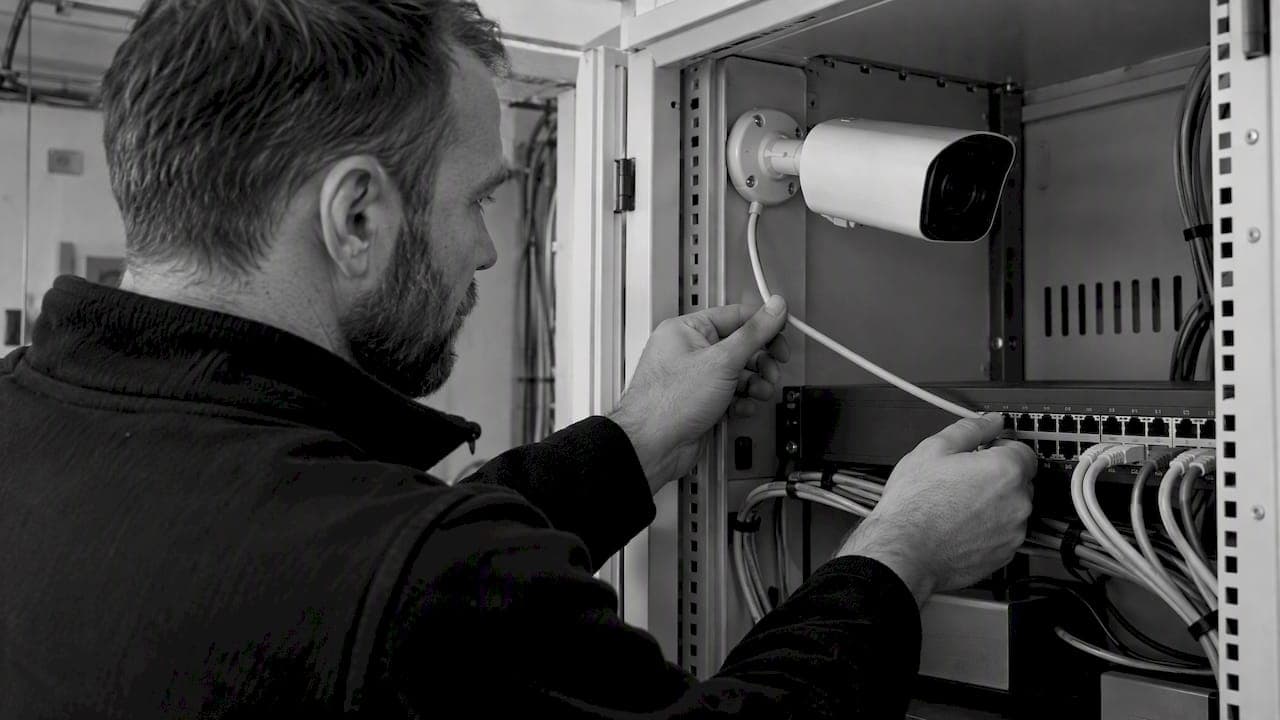
RTSP Security Risks: Integrators Must Block Exposed Ports 554 and 8554
See how integrators can reduce RTSP security risks: close exposed ports 554 and 8554, secure camera access, and verify each deployment with practical checks.

Require MAEpp and X Accuracy Before You Buy People Counting Systems
Verify people counting accuracy by demanding MAEpp, X Accuracy, and directional-bias reports. Validate on-site with at least 100 events per direction...
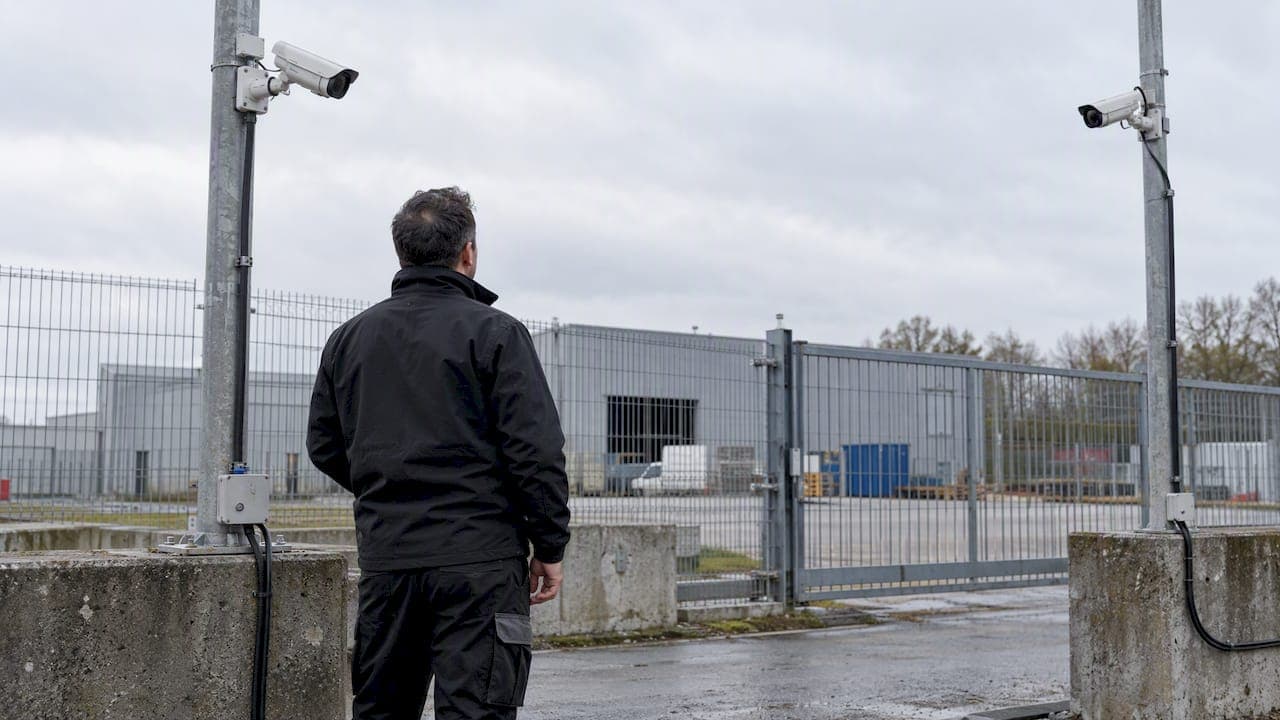
30–90 Day Pilot Validates Redundant Camera Networks for Engineers
Standards led, practical steps for engineers to deploy redundant camera networks: MRP, dual homing, and aggregation patterns, commissioning checks, and...
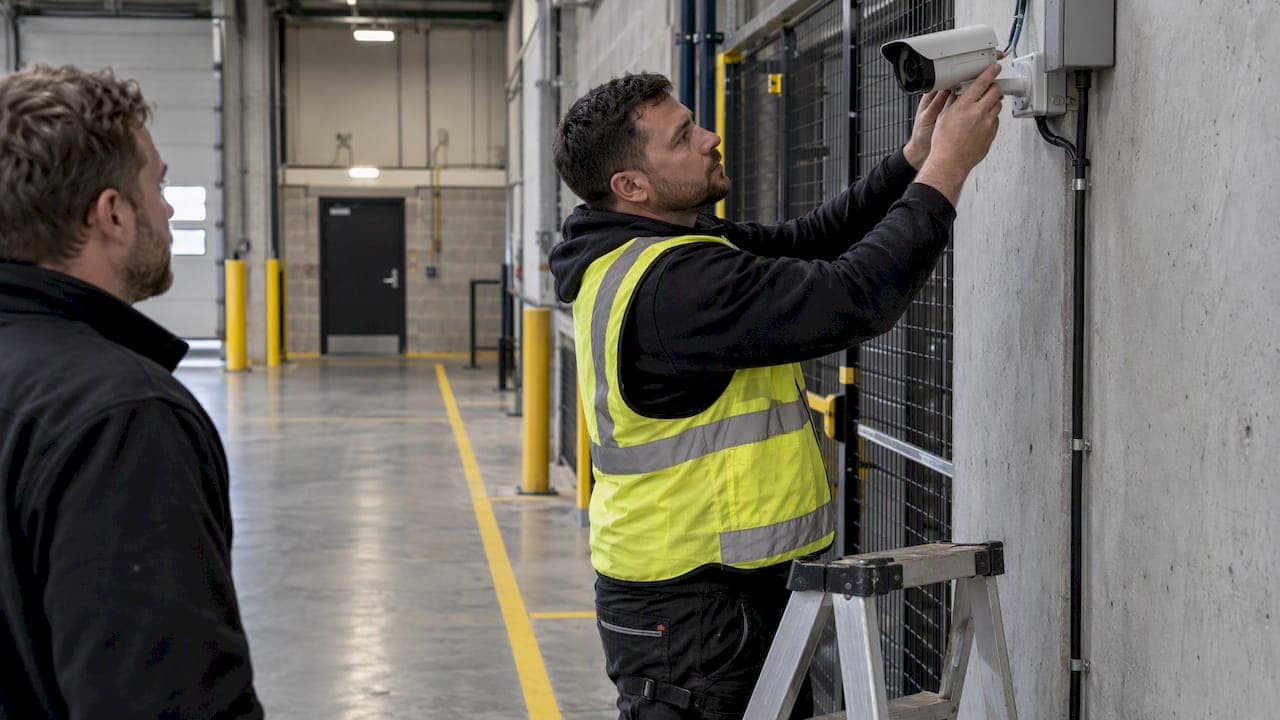
30 Day Pilot Proves Video Analytics Accuracy for Security Teams
Validate video analytics accuracy with scenario tests, camera tuning, transfer learning and a 30 day edge first pilot for security teams.
Let's Build YourSecurity Ecosystem.
Whether you're a System Integrator, Solution Provider, or an End-User looking for trusted advisory, our team is ready to help you navigate the BeyondSensor landscape.
Direct Advisory
Connect with our regional experts for tailored solutioning.