
Discover the key criteria for security sensors that every professional must know. Ensure safety and reliability with our 2026 expert guide.

Key Criteria for Security Sensors: 2026 Expert Guide

What security professionals must prioritize when choosing sensors
Selecting the right security sensors comes down to six non-negotiable factors: regulatory certification, detection accuracy, environmental suitability, system integration, false alarm management, and wireless protocol reliability. Get any one of these wrong, and the entire security architecture is compromised regardless of how advanced the hardware looks on a spec sheet.
Here is what each criterion demands in practice:
- Regulatory certification (UL/NFPA/EN 50131): Certified sensors are the threshold requirement for commercial deployments. Non-certified hardware disqualifies a system from insurance coverage and professional monitoring acceptance.
- Detection accuracy and sensitivity: Sensors must match the threat profile of the site. PIR performance depends on thermal contrast, spatial resolution, and adaptive pulse count logic to minimize false positives.
- Environmental and site-specific conditions: Temperature fluctuations, thermal clutter, direct sunlight, and airflow patterns all degrade sensor performance. Site conditions must be mapped before hardware is specified.
- Integration with existing systems: Sensors that cannot communicate with access control, video surveillance, or building management platforms create operational blind spots. Open-protocol compatibility matters.
- Battery life and maintenance cadence: Wireless sensors with sub-GHz protocols typically deliver longer battery life than 2.4 GHz alternatives. Maintenance intervals must be factored into total lifecycle cost.
- False alarm reduction technologies: Dual-technology sensors, adaptive filtering, and configurable sensitivity zones are the primary tools for keeping nuisance alarm rates at acceptable levels.
- Wireless protocol performance: Real-world building penetration, not open-air range figures, determines reliability. A proprietary sub-GHz protocol demonstrated 97% packet delivery through three concrete floors versus 82% for standard 2.4 GHz mesh.
- Device capacity and scalability: Consumer hubs support a limited number of devices; professional-grade hubs support a significantly higher number suitable for commercial deployments. Commercial sites with extensive sensor networks require the higher tier from day one.
Table of Contents
- What types of security sensors do you actually need?
- Why sensor grading and certification are the first filter, not the last
- How installation and configuration determine whether sensors actually perform
- Which sensor features and technologies make the biggest difference in 2026
- How to choose sensors for residential versus commercial properties
- How Beyondsensor advances secure sensor technology for professional deployments
- Beyondsensor gives system integrators a direct path to compliant sensor deployments
- Key Takeaways
What types of security sensors do you actually need?
The sensor type determines what threats you can detect and where detection is reliable. Choosing the wrong type for a given zone is one of the most common and costly mistakes in security system design.
Motion sensors are the backbone of interior detection. Passive infrared (PIR) sensors detect the heat signature of a moving body against the ambient background temperature. Microwave sensors emit a continuous signal and detect the Doppler shift caused by movement, making them effective through walls and in areas with variable temperatures. Dual-technology sensors combine PIR and microwave detection, requiring both to trigger simultaneously before generating an alarm. That requirement alone cuts false alarm rates significantly in high-traffic commercial environments.

Door and window contact sensors are the simplest and most reliable perimeter layer. A magnetic reed switch breaks the circuit when a door or window opens. They are low-cost, low-maintenance, and highly accurate. Every exterior opening on a commercial property should have one.
Glass break sensors come in two variants worth understanding:
- Acoustic sensors listen for the specific frequency signature of breaking glass, typically covering a radius of 15–25 feet from the sensor.
- Shock sensors mount directly on the glass and detect the physical vibration of an impact before the glass actually breaks, giving an earlier trigger.
Environmental sensors cover threats beyond intrusion. Smoke detectors, heat detectors, carbon monoxide sensors, and water leak detectors all fall into this category. For facilities with server rooms, data centers, or chemical storage, these sensors are as operationally critical as any intrusion detector.
Vibration and fence-tampering detectors protect the perimeter before an intruder reaches the building. Microphonic systems use sensor cables attached to chain-link fences to detect cutting or climbing attempts. Electric field (E-field) sensors create an invisible volumetric detection zone around a fence or wall, analyzing amplitude change, rate of change, and disturbance duration to distinguish a genuine intrusion from environmental noise.
Specialized sensors serve specific threat profiles:
- Buried magnetic sensors detect ferrous metal carried by an intruder, making them suited for anti-poaching and high-security perimeter applications.
- Ultrasonic sensors use frequencies between 15 kHz and 75 kHz and the Doppler shift principle to detect movement in enclosed spaces.
- Infrasound detectors identify sound waves below 20 Hz, which travel through walls and over long distances, useful in large-area monitoring.
Wired versus wireless is a deployment decision, not a quality decision. Wired sensors offer tamper-evident lines and do not depend on battery maintenance, but installation cost and complexity are higher. Wireless sensors are faster to deploy and easier to relocate, but require repeaters in dense building environments and a disciplined battery replacement schedule.
Why sensor grading and certification are the first filter, not the last
Certification is not a checkbox at the end of the procurement process. It is the first filter that determines whether a sensor is eligible for the application at all.
In the United States, the two primary certification frameworks are UL (Underwriters Laboratories) and NFPA (National Fire Protection Association). UL Listed intrusion detection components have been independently tested against defined performance standards. NFPA 72, the National Fire Alarm and Signaling Code, governs fire and life safety sensor installations. Insurance carriers and professional monitoring centers routinely require UL-listed equipment as a condition of coverage and service acceptance.
EN 50131 is the European standard for intrusion and hold-up alarm systems, but it functions as the international benchmark that many U.S. security professionals reference when specifying commercial-grade equipment; a comprehensive overview of EN 50131 standards explains its importance for certification of intrusion detection systems. The standard defines four sensor grades:
- Grade 1: Low-risk residential applications, basic deterrence.
- Grade 2: Low-to-medium risk, typical residential and small commercial.
- Grade 3: Medium-to-high risk, commercial and industrial environments requiring professional installation.
- Grade 4: High-risk sites, banks, government facilities, critical infrastructure.
Compliance with EN 50131 is the threshold factor for commercial sensor selection, overriding other technical metrics when insurance eligibility and police response acceptance are at stake. A sensor with impressive detection specifications but no grade certification will be rejected by most monitoring centers and may void a facility's security insurance policy.
Compliance affects the entire system, not just individual sensors. Certification must cover the control panel, communication path, and power supply, not only the detection devices. A Grade 3 sensor connected to a Grade 1 panel does not produce a Grade 3 system.
For U.S. facilities seeking sensor-based security compliance, the practical approach is to specify sensors that meet both UL listing requirements and the EN 50131 grade appropriate for the site's risk profile. That dual-standard approach satisfies domestic insurance requirements while aligning with internationally recognized performance benchmarks.
How installation and configuration determine whether sensors actually perform
Hardware quality accounts for roughly half of sensor performance. The other half is installation and configuration. A Grade 3 PIR sensor mounted in the wrong location or configured with default sensitivity settings will generate more nuisance alarms than a Grade 1 sensor installed correctly.
Start with a threat risk assessment (TRA). Before specifying a single sensor, map the site's threat vectors, traffic patterns, environmental conditions, and operational hours. A thorough TRA shapes hardware selection directly. High pedestrian traffic environments, for example, benefit more from vibration perimeter sensors than traditional motion sensors because the constant movement of authorized personnel would trigger PIR-based systems repeatedly.
Placement and height matter more than most installers acknowledge. Avoid mounting motion sensors near sunny windows, HVAC vents, or heat sources. A PIR sensor positioned where afternoon sunlight creates a thermal gradient across its detection zone will generate false alarms every afternoon at the same time, which is a pattern that erodes operator trust in the system. Standard mounting height for PIR sensors in commercial applications is typically 6.5–8 feet, angled to cover the intended zone without capturing ceiling heat from HVAC diffusers.
Zone definition and sensitivity adjustment are where most false alarm problems are actually solved. Each zone should be configured independently based on its specific conditions. In residential settings, sensitivity settings per zone can be adjusted to accommodate pets ranging from 8-pound cats to 80-pound dogs, preventing the system from treating a household animal as an intruder. The same logic applies commercially: a loading dock zone needs different sensitivity thresholds than an executive office corridor.
Wireless signal testing must happen on-site, not on paper. Open-air range specifications from manufacturers routinely overestimate indoor coverage. Concrete floors, steel structural elements, and dense insulation all attenuate RF signals. Test packet delivery rates in the actual building before finalizing hub placement and repeater requirements.
Pro Tip: Configure each sensor zone with the minimum sensitivity needed to reliably detect the target threat. Higher sensitivity is not always better. Oversensitive zones in areas with HVAC activity, pets, or variable lighting are the leading cause of nuisance alarms that lead operators to disable zones entirely, creating genuine security gaps.
Which sensor features and technologies make the biggest difference in 2026
The gap between a basic sensor and a professional-grade one is not just build quality. It is the set of technologies that determine how the sensor behaves in real-world conditions over time.

Dual-technology detection is the single most effective false alarm reduction feature available. By requiring two independent detection methods to trigger simultaneously, dual-tech sensors filter out the environmental anomalies that fool single-technology devices. A PIR/microwave combination, for instance, will not alarm when a heat source moves through the field unless the microwave channel also detects motion, and vice versa.
Adaptive pulse count logic in PIR sensors adjusts the number of consecutive detection pulses required to trigger an alarm based on ambient conditions. In environments with variable temperature or airflow, this prevents single-event thermal anomalies from generating false positives. High zone density lenses combined with adaptive pulse count logic represent the current standard for professional burglar alarm applications.
Anti-masking and tamper detection are non-negotiable for commercial deployments. Anti-masking technology detects when a sensor's detection field is being deliberately blocked, whether by spray, tape, or physical obstruction. Tamper detection triggers an alert when the sensor housing is opened or removed from its mount. Both features are required under Grade 3 and Grade 4 EN 50131 classifications.
Wireless protocol performance separates professional systems from consumer-grade alternatives. Sub-GHz protocols operate at frequencies that penetrate building materials more effectively than 2.4 GHz Wi-Fi-based systems. The 97% packet delivery rate achieved by a proprietary sub-GHz protocol through three concrete floors illustrates the gap. For multi-story commercial buildings, this difference translates directly into system reliability.
Device capacity determines whether a single hub can serve an entire facility or whether multiple hubs and their associated complexity are required. Consumer hubs cap out at 20–40 devices. Professional installations typically require 80 or more devices per hub, and professional-grade hubs supporting 60–120 devices are the appropriate specification for commercial sites.
Integration with video surveillance and building automation is increasingly a baseline expectation rather than an advanced feature. Sensors that can trigger camera recording, adjust lighting, or communicate with access control systems via open protocols like ONVIF or BACnet deliver significantly more operational value than isolated detection devices. For a deeper look at key features of secure sensors relevant to professional installations, the technical benchmarks have shifted considerably in the past two years.
Automatic test signals and remote configuration reduce maintenance overhead. Sensors that self-report their status to the control panel on a scheduled basis allow monitoring centers to identify failed or degraded devices before they create a coverage gap. Remote sensitivity adjustment via software eliminates the need for a technician visit every time operational conditions change.
How to choose sensors for residential versus commercial properties
The selection process differs meaningfully between residential and commercial applications, and treating them the same way leads to either over-specified residential systems or dangerously under-specified commercial ones.
For residential properties, the primary drivers are ease of use, false alarm management, and cost. Most residential installations benefit from a layered approach: contact sensors on all exterior doors and windows, PIR motion sensors covering main interior zones, and environmental sensors for smoke and water. Sensitivity customization per zone is particularly valuable in homes with pets. A system that generates frequent false alarms will be disabled by the homeowner within weeks, which is a worse outcome than no system at all.
For commercial properties, the calculus shifts toward certification, scalability, and monitoring integration. Key considerations include:
- Risk-based sensor selection: Match sensor grade to the actual threat level of each zone. A server room warrants Grade 3 or Grade 4 sensors; a break room does not.
- Operational hours and population density: Facilities with 24/7 occupancy need sensors that can distinguish authorized activity from intrusion, which typically means dual-technology devices with configurable masking zones.
- Ecosystem completeness: A single-vendor system reduces integration complexity and ensures certified compatibility between components. Multi-vendor approaches offer flexibility but require careful verification that each component meets the system's overall grade requirement.
- Monitoring center integration: Commercial systems feeding a UL-listed central monitoring station must use communication paths and equipment that meet the monitoring center's acceptance criteria. Confirm these requirements before specifying hardware.
- Lifecycle cost: Factor in battery replacement schedules, firmware update requirements, and sensor calibration intervals. A lower upfront cost sensor with a 12-month battery life costs more over five years than a higher-cost device with a 36-month battery if the labor cost of replacement is included.
For facilities with perimeter security requirements, vibration sensors and E-field systems add a detection layer that interior motion sensors cannot provide. A sensing solution selection guide tailored to professional deployments can help map sensor types to specific zone risk profiles before procurement begins.
Evaluating anti-bypass features is a step many facility managers skip. Anti-bypass capabilities, including anti-masking, tamper detection, and supervised wireless communication, determine whether the system can detect an attempt to defeat it. For commercial sites, these features are not optional.
How Beyondsensor advances secure sensor technology for professional deployments
Beyondsensor operates at the intersection of high-precision sensing hardware and the software intelligence needed to make sensor data operationally useful. The company's focus on physical security, industrial automation, and smart infrastructure means its technology is designed for the environments where sensor performance actually gets tested: multi-story commercial buildings, critical infrastructure sites, and large-scale facility deployments.
Key capabilities that distinguish Beyondsensor's approach include:
- Hardware-software integration: Beyondsensor develops tailored solutions that combine sensing hardware with the digital infrastructure needed for real-time monitoring, exception-based alerting, and system-wide visibility.
- Support for system integrators and government agencies: The company's ecosystem is built to serve professional deployers, not just end-users. System integrators gain access to technical tools, compatibility documentation, and ecosystem matchmaking services that reduce deployment complexity.
- Compliance-aligned product development: Beyondsensor's sensor technologies are developed with regulatory compliance as a design requirement, not an afterthought. This matters for commercial deployments where UL listing and grade certification determine insurance and monitoring eligibility.
- Scalable architecture: From small commercial sites to large government facilities, Beyondsensor's platforms are architected to scale without requiring a system redesign as sensor counts grow.
- Published technical expertise: Through professional guides and technical news articles, Beyondsensor provides security professionals with the knowledge needed to choose the right sensing technology for their specific application, covering everything from protocol selection to installation best practices.
- Emerging technology leadership: Beyondsensor tracks and integrates advances in sensor fusion, Vision Language Models (VLMs), and multimodal detection to keep its platforms ahead of evolving threat profiles.
For security professionals evaluating intelligent sensing technologies for facility deployments, Beyondsensor's combination of technical depth and compliance focus represents a meaningful differentiator in a market where many vendors optimize for consumer simplicity rather than professional-grade performance.
Beyondsensor gives system integrators a direct path to compliant sensor deployments

Security professionals and facility managers who have worked through the criteria above know the real challenge is not identifying what good looks like. It is finding a technology partner who can deliver it at scale, with the compliance documentation, integration support, and technical depth that professional deployments require.
Beyondsensor is built specifically for that need. Where generic security platforms offer consumer-grade simplicity, Beyondsensor delivers hardware-software solutions engineered for system integrators, government agencies, and facility operators who cannot afford a sensor architecture that fails certification review or generates nuisance alarms at scale.
The practical difference: Beyondsensor's ecosystem matchmaking and technical utilities mean integrators spend less time resolving compatibility issues and more time on deployment. Compliance is built into the product development process, not retrofitted after the fact.
System integrators working on commercial or government security deployments can explore Beyondsensor's dedicated integrator solutions to see how the platform supports certified, scalable sensor deployments from specification through commissioning.
Key Takeaways
Certification compliance is the first and non-negotiable filter for any commercial security sensor deployment; technical performance only matters once that threshold is met.
| Point | Details |
|---|---|
| Certification comes first | UL listing and EN 50131 grade compliance determine insurance eligibility and monitoring acceptance before any other spec matters. |
| Protocol performance is real-world, not spec-sheet | A sub-GHz protocol delivered 97% packet delivery through three concrete floors versus 82% for standard 2.4 GHz mesh. |
| Hub capacity defines commercial viability | Professional hubs support 60–120 devices; consumer hubs cap at 20–40, making them unsuitable for commercial sensor networks. |
| Zone sensitivity drives false alarm outcomes | Adjusting sensitivity per zone, including pet tolerance from 8-pound cats to 80-pound dogs, is the primary lever for reducing nuisance alarms. |
| Beyondsensor for integrators | Beyondsensor provides compliance-aligned, scalable sensor platforms with ecosystem matchmaking support for system integrators and government deployments. |
Recommended
- Top sensor security tips for safety & compliance 2026 | News | BeyondSensor
- Key Features of Secure Sensors: 2026 Professional Guide | News | BeyondSensor
- Sensing Solution Selection Guide for Security Pros | News | BeyondSensor
- How to choose the right sensing technology for security | News | BeyondSensor
Read More Articles
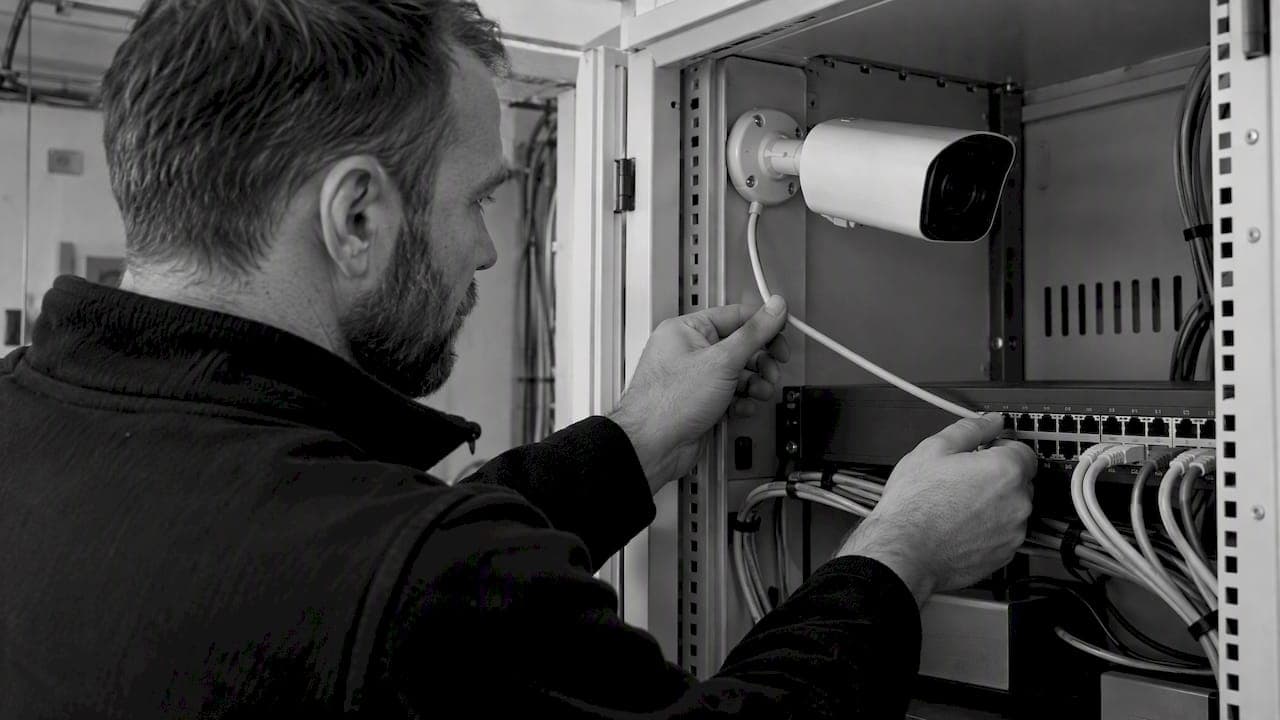
RTSP Security Risks: Integrators Must Block Exposed Ports 554 and 8554
See how integrators can reduce RTSP security risks: close exposed ports 554 and 8554, secure camera access, and verify each deployment with practical checks.
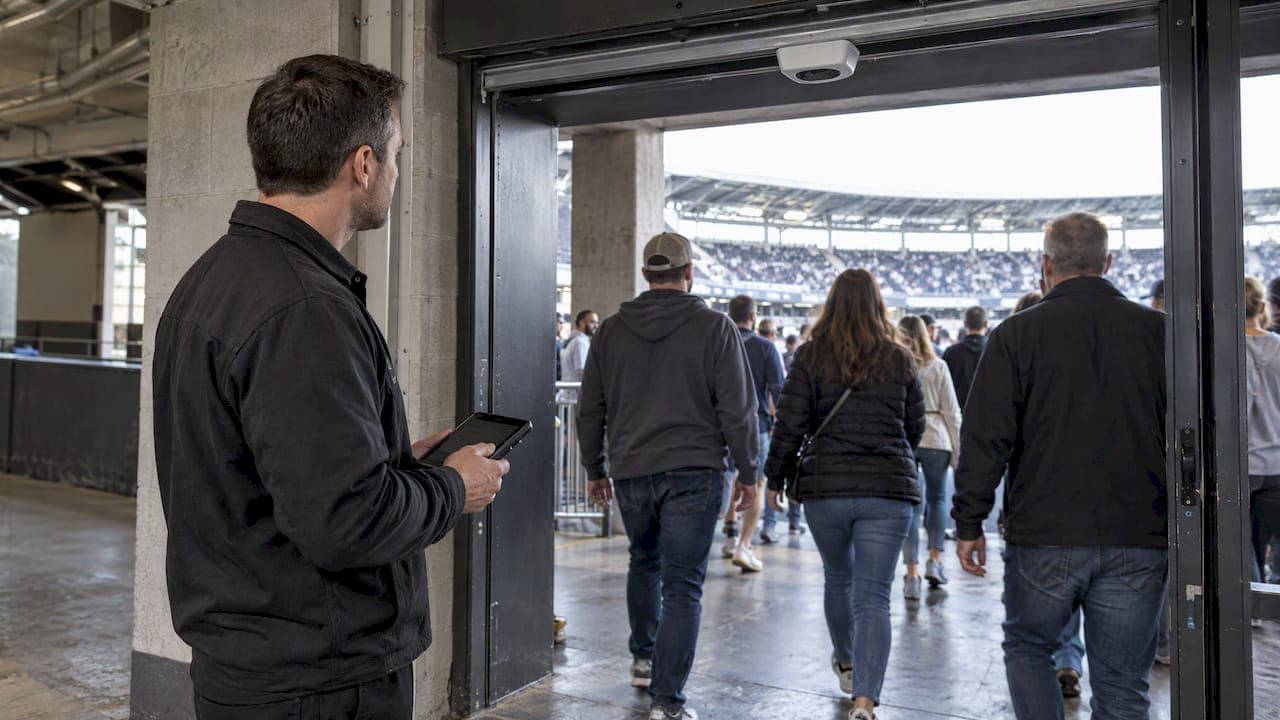
Require MAEpp and X Accuracy Before You Buy People Counting Systems
Verify people counting accuracy by demanding MAEpp, X Accuracy, and directional-bias reports. Validate on-site with at least 100 events per direction...
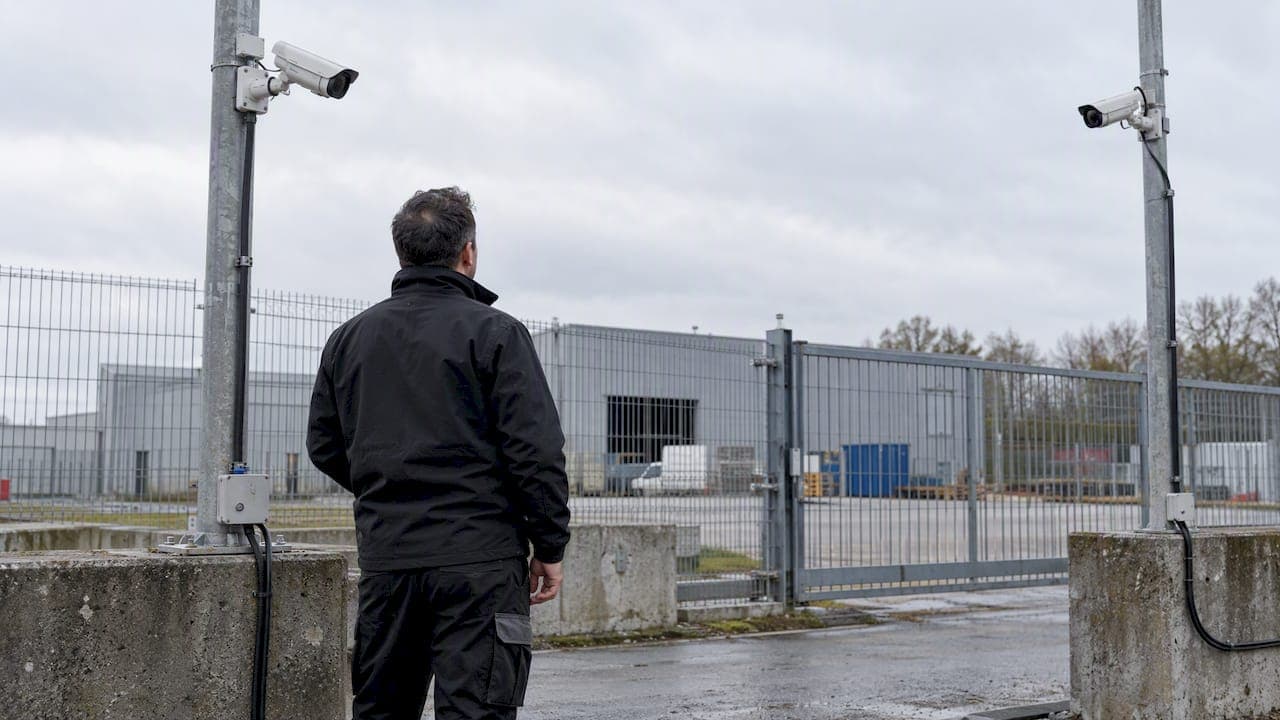
30–90 Day Pilot Validates Redundant Camera Networks for Engineers
Standards led, practical steps for engineers to deploy redundant camera networks: MRP, dual homing, and aggregation patterns, commissioning checks, and...
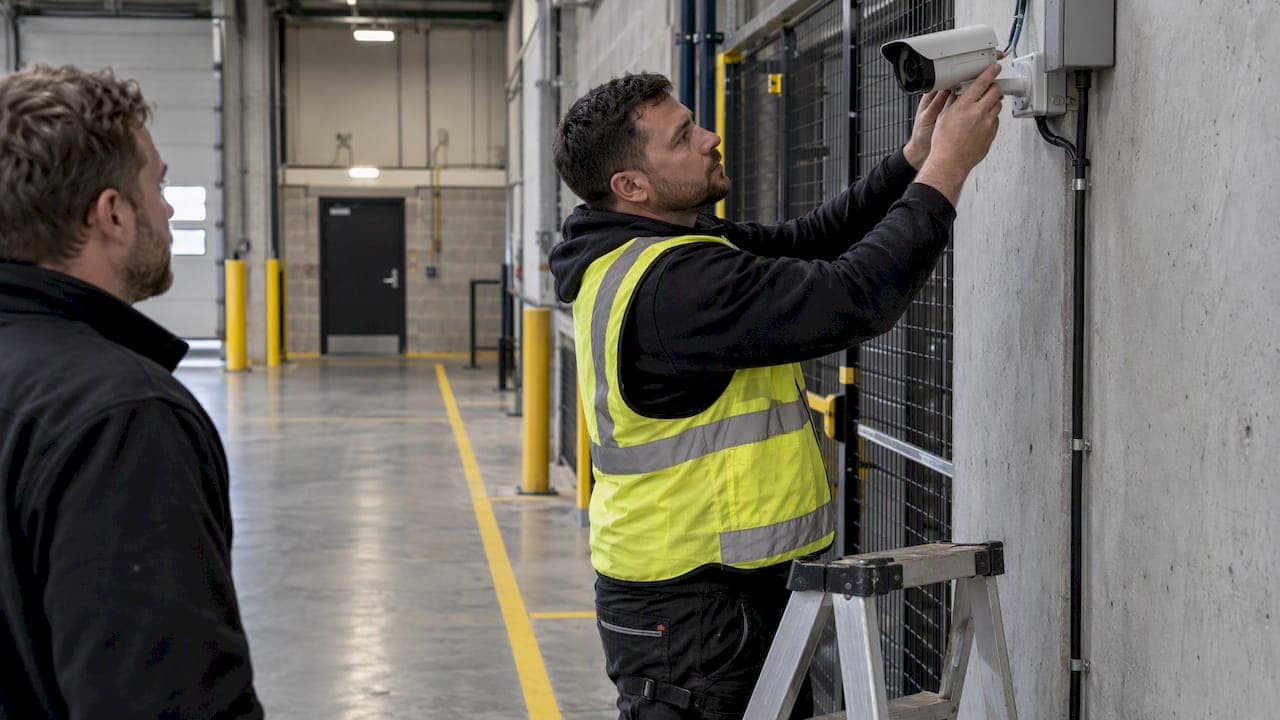
30 Day Pilot Proves Video Analytics Accuracy for Security Teams
Validate video analytics accuracy with scenario tests, camera tuning, transfer learning and a 30 day edge first pilot for security teams.
Let's Build YourSecurity Ecosystem.
Whether you're a System Integrator, Solution Provider, or an End-User looking for trusted advisory, our team is ready to help you navigate the BeyondSensor landscape.
Direct Advisory
Connect with our regional experts for tailored solutioning.