
Discover how guard response automation enhances security with verified responses, reduces false alarms, and boosts service revenue for integrators.
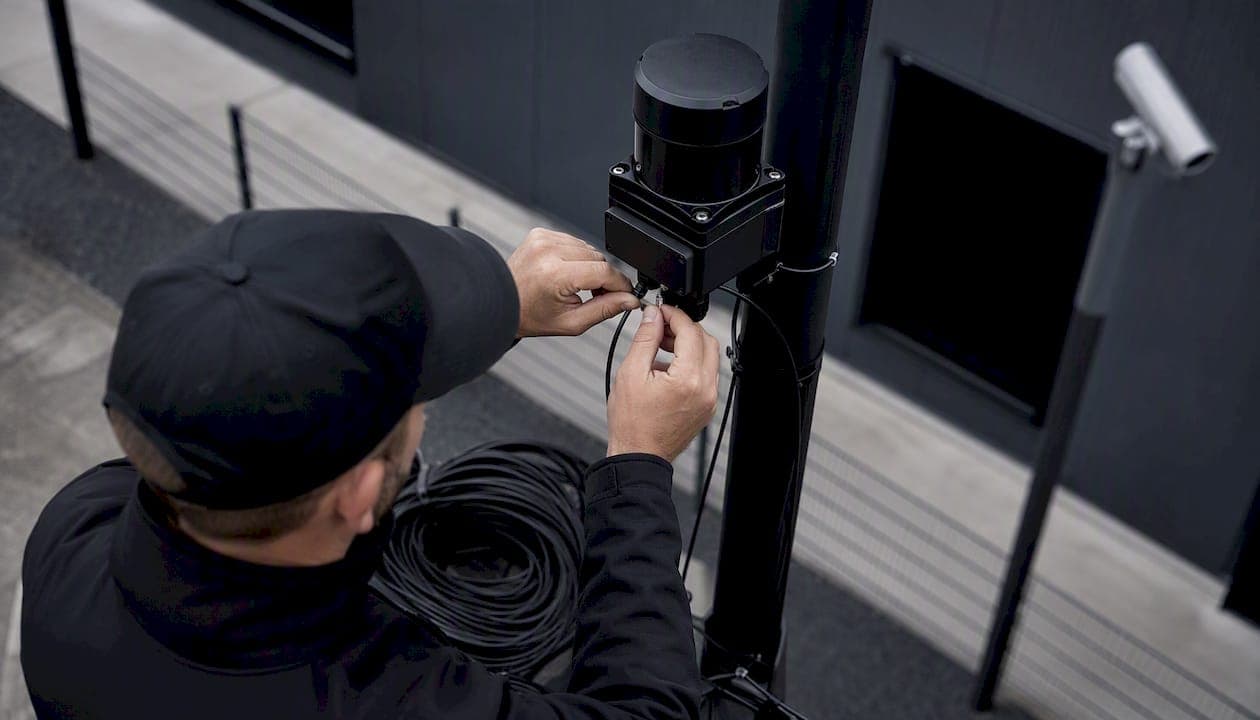
Guard Response Automation: The U.S. Procurement Playbook
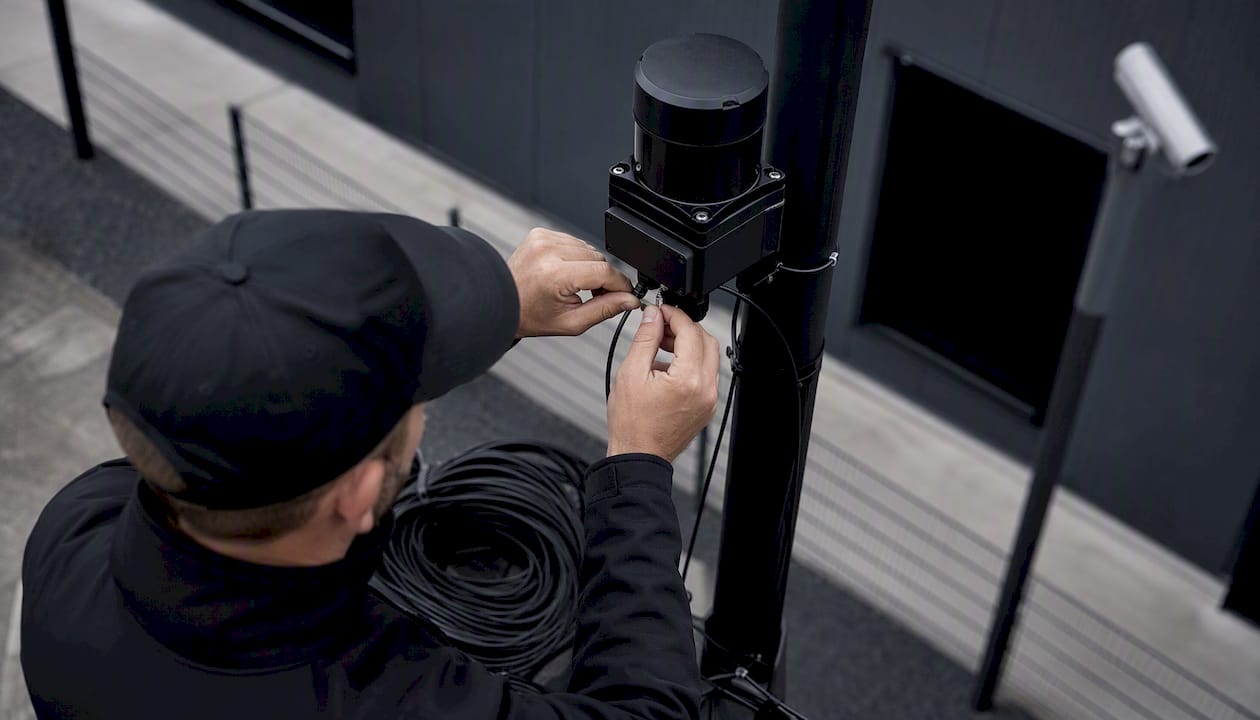
Guard response automation is the sensor-triggered orchestration of guard workflows — video alarm verification (VAV), video alarm monitoring (VAM), virtual guard tours, audio talk-down, and automated dispatch — that replaces reactive, unverified alarm response with a structured, evidence-based intervention chain. For security managers and facility owners evaluating this solution class, three outcomes define the value proposition:
- Verified response and priority dispatch: When an operator confirms a person on camera, the alarm reclassifies from routine to "crime in progress," earning a priority police response instead of a low-priority queue.
- False-dispatch reduction: Fewer unverified calls to police cuts fines, preserves dispatch credibility, and lowers liability exposure across multi-site portfolios.
- RMR and service revenue: For integrators, video alarm verification packages with monitoring and virtual-guard services create recurring monthly revenue streams.
Pursue this solution class when your jurisdiction enforces verified-response policies, when false-dispatch fines are a recurring budget line, when you operate multiple sites with lean guard staffing, or when remote critical infrastructure makes physical patrol impractical.
Key Takeaways
Guard response automation delivers verified dispatch, false-alarm reduction, and new service revenue only when the underlying sensor-to-operator chain is built to standards and maintained rigorously.
| Point | Details |
|---|---|
| When to choose this solution | Pursue guard response automation in verified-response jurisdictions, high false-dispatch-cost sites, or multi-site operations with lean guard staffing. |
| Minimum procurement checks | Require TMA CS-V-01 compliance, SIA DC-09/Contact-ID protocol support, sub-3-second camera pop, and a documented maintenance SLA in every RFP. |
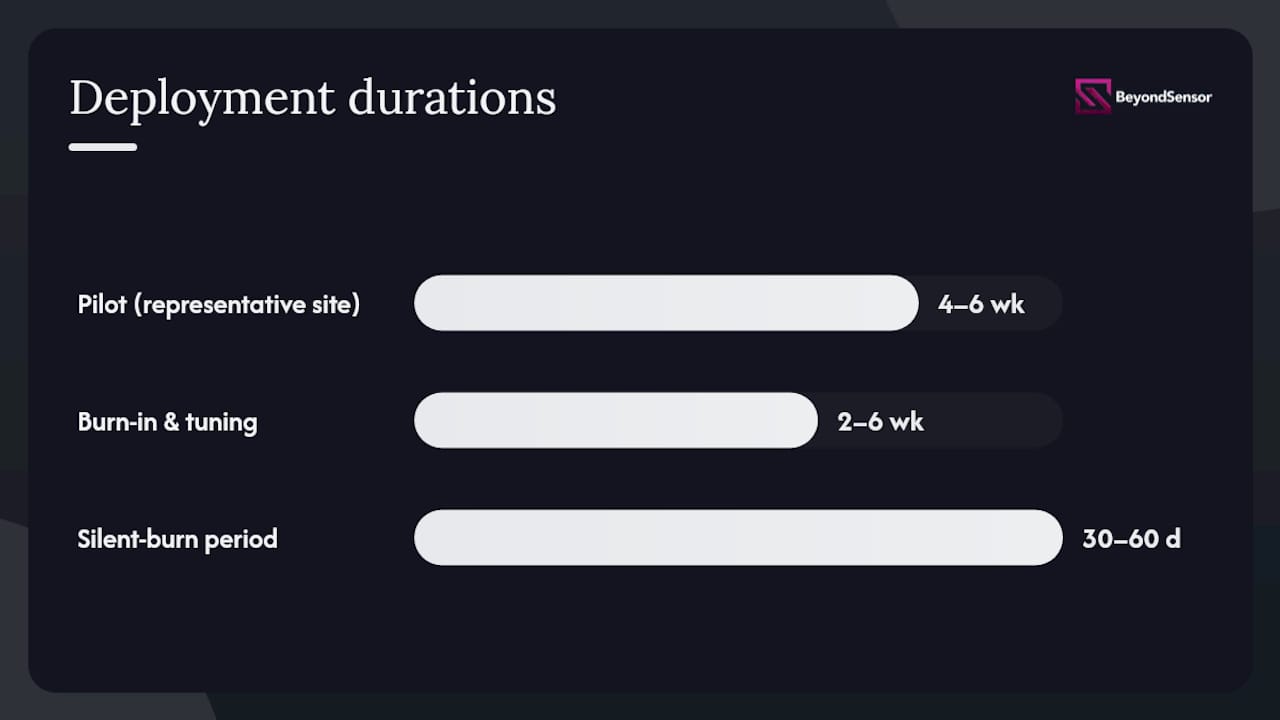
| Pilot approach | Run a 4–6 week pilot with a 30–60 day silent-burn period to tune analytics before activating full operator dispatch authority. |
| ROI drivers | Calculate savings from avoided false-dispatch fines, reduced guard hours, and for integrators, RMR per monitored site. |
| Beyondsensor fit | Beyondsensor's sensor hardware, AI analytics, and BeyondPatrol virtual patrol system cover detection through operator workflow in one integrated stack. |
Table of Contents
- How does guard response automation actually work?
- What are the real operational benefits across site types?
- What U.S. standards and verified-response rules apply?
- Your pre-deployment technical checklist
- How operators handle verified events in practice
- What does guard response automation cost, and how do you calculate ROI?
- How to evaluate vendors and structure your RFP
- The pitfalls that derail most deployments
- Beyondsensor delivers verified guard automation from pilot to scale
- Primary sources and further reading
- Sources
How does guard response automation actually work?
The architecture has four layers. Detection sensors (PIR, microwave, fence vibration, radar) trigger an alarm panel. The panel transmits the event via SIA DC-09 or Ademco Contact-ID to an alarm receiver, which acts as the gateway between the panel and the VMS. The VMS maps zone identifiers to camera feeds, so the correct camera pops on the operator's screen within seconds of the alarm firing. The operator then drives the intervention layer: audio talk-down through on-site speakers, strobe activation, access control commands, or escalation to dispatch.
Two patterns dominate deployments. In sensor-triggered verification, the alarm fires first and the camera pop follows. In the analytics-first proactive model, AI video analytics detect anomalous behavior at the perimeter before a sensor trips, and the remote operator engages before a breach occurs. The analytics-first approach shifts the operational objective from verify-and-dispatch to deter-and-prevent.
Protocol fidelity matters here. Alarm receivers must share zone and partition identifiers with the VMS so camera pop is automatic, not manual. Latency in that handoff is the single most common cause of operator hesitation and missed verification windows.
What are the real operational benefits across site types?
AI-based video analytics can filter up to 90% of common nuisance triggers, reducing operator fatigue and monitoring costs before a human ever reviews an event. That filtering capability, combined with verified dispatch, produces measurable outcomes across a range of facility types:
- Retail stores and car dealerships: After-hours perimeter protection with audio deterrence reduces theft attempts and cuts false police calls from nuisance triggers like wildlife or blowing debris.
- Distribution centers and warehouses: Large perimeters with few overnight staff benefit from virtual guard tours that cover the entire site without additional headcount.
- Parking structures: Remote escorts via camera and two-way audio protect lone workers and late-night visitors without a dedicated on-site guard.
- Remote critical infrastructure: Utilities, substations, and telecom sites where physical patrol is expensive or dangerous gain continuous verified coverage.
- Government facilities: Documented event logs, timestamped video clips, and audit trails satisfy compliance requirements that unverified alarm systems cannot meet.
- Multi-site retail rollouts: A single monitoring center can cover dozens of locations simultaneously, with virtual guard tours and audio talk-down replacing per-site guard contracts.
A Q4 2025 deployment across 29 retail sites logged 23,810 perimeter activations. 96.1% resolved through automated deterrence with a single police dispatch. That ratio illustrates what a well-tuned, operator-led system achieves at scale.
Statistic: 96.1% of perimeter activations resolved without police dispatch across 29 retail sites in Q4 2025 — one event required law enforcement.
What U.S. standards and verified-response rules apply?
The TMA CS-V-01 standard is the operational baseline U.S. buyers should require in every RFP. It defines enhanced confirmation procedures — multi-trip logic, audio and video verification, smart-device verification — and mandates that camera fields of view cover the full detector pattern. It also recommends periodic maintenance and end-to-end testing to keep operator verification reliable.
Verified-response policies, now active in dozens of U.S. jurisdictions, require confirmation of a crime in progress before police will respond. Without video verification, those sites receive no dispatch at all. With it, the alarm reclassifies and earns priority response. That distinction directly affects insurance premiums, false-alarm fines, and liability exposure.
Statistic: Many U.S. jurisdictions enforce verified-response policies, making video confirmation a required step before dispatch rather than an optional upgrade.
Pro Tip: Include a clause in every monitoring contract requiring quarterly end-to-end integration walk tests and documented camera maintenance SLAs. A misaligned or dirty camera that fails during an actual event is a verification failure — and in a verified-response jurisdiction, that means no police dispatch.
Your pre-deployment technical checklist
A structured site survey prevents the most common deployment failures. Work through these steps before issuing an RFP or signing a monitoring contract:
- Site survey and zone mapping: Walk every detection zone and confirm a camera with adequate resolution and field of view covers it. Document the mapping in a zone-to-camera register.
- Network and bandwidth audit: Budget a minimum of 1–2 Mbps upload per HD camera stream for live monitoring. Calculate total backhaul and confirm the ISP circuit supports peak simultaneous streams.
- Latency target: Set an end-to-end alarm-to-camera-pop target of under 3 seconds for Priority 1 events. Require the integrator to demonstrate this at acceptance testing.
- Redundancy and power backup: Confirm UPS coverage for cameras, alarm panels, and network switches. Cellular failover for the alarm receiver is standard practice on critical sites.
- Audio and speaker placement: Position speakers to cover the full detection zone with intelligible audio at the perimeter. Test talk-down audibility before commissioning.
- Edge analytics placement: Where bandwidth is constrained, edge processing reduces latency and cuts transmission costs by filtering events locally before sending verified clips to the monitoring center.
For deployment timeline, plan a 4–6 week pilot on one representative site, followed by a 2–6 week burn-in and tuning phase, then phased rollout at additional sites.
Pro Tip: Run a 30–60 day silent-burn period before activating full operator dispatch authority. Use that window to tune analytics thresholds and cross-trip logic so the monitoring center inherits a calibrated system, not a noisy one.
How operators handle verified events in practice
A well-run monitoring center operates on exception-based logic: AI filters the noise, and operators engage only on confirmed or ambiguous events. When an alarm fires, the operator receives an automatic camera pop, reviews the live and pre-alarm clip, and makes a verification decision within a defined window — typically 30–90 seconds for Priority 1 events.

Automated actions can occur before the operator intervenes: a pre-recorded voice-down activates, strobes engage, and lighting floods the zone. If the operator confirms a person, they escalate to a live audio challenge, then dispatch if the subject does not leave. Every action is timestamped and logged against both the alarm panel event and the VMS clip.
Priority 2 and 3 events follow longer escalation windows and may route to a supervisor or site contact before dispatch. Multi-trip logic — requiring two independent sensor activations before escalation — reduces nuisance dispatches on sites with high environmental noise.
Operator documentation must include event logs with panel and VMS timestamps cross-referenced, snapshot and video clip exports, and a completed SOP checklist for each enhanced confirmation event. Virtual guard tours, remote escorts, and WatchMe features extend this workflow beyond reactive alarm response into proactive patrol coverage.
What does guard response automation cost, and how do you calculate ROI?
Cost drivers split into capital and recurring categories. Capital costs include sensor hardware, camera count and placement, network upgrades, and integration engineering. Recurring costs cover monitoring fees, software licenses, and maintenance contracts.
| Cost Line | Typical Driver | Timeline Milestone |
|---|---|---|
| Sensor and camera hardware | Site size, zone count, resolution requirements | Procurement: weeks 1–4 |
| Network upgrades | Bandwidth gap, cabling, cellular failover | Pre-pilot: weeks 2–6 |
| Integration engineering | Protocol mapping, VMS configuration, acceptance testing | Pilot: weeks 4–6 |
| Monitoring fees | Human-led vs. AI-first model, site count | Ongoing from go-live |
| Maintenance and licenses | Camera SLA, analytics platform, annual renewal | Recurring annually |
ROI calculation starts with three inputs: avoided false-dispatch fines per year, reduction in on-site guard hours, and for integrators, new RMR per monitored site. Faster verified dispatch also reduces loss per incident by shortening the window between breach detection and apprehension. Procurement-to-rollout ranges from 4 weeks for standalone units to 3–6 months where new cabling or infrastructure is required.
Statistic: Proactive analytics-first monitoring typically costs more per site than sensor-triggered verification but shifts the operational objective from verify-and-dispatch to deter-and-prevent, changing the nature of ROI from fine avoidance to loss prevention.
How to evaluate vendors and structure your RFP
A rigorous RFP separates capable vendors from those who will struggle at scale. Require responses to address:
- Standards compliance: TMA CS-V-01 enhanced confirmation procedures, ANSI/SIA alarm protocol support (SIA DC-09, Contact-ID), and documented operator SOPs.
- Alarm receiver and VMS integration: Proof of automatic zone-to-camera pop under 3 seconds, tested at acceptance.
- Maintenance SLA: Camera uptime commitment, response time for hardware failures, and quarterly end-to-end walk test schedule.
- Verified-response metrics: Historical false-dispatch rate, verified response rate, and average time-to-dispatch from alarm receipt.
- Pilot terms: Defined burn-in period, tuning milestones, and acceptance criteria before full rollout commitment.
- Data handling: Event log retention period, video clip export format, and audit log access for compliance reviews.
Map vendor capabilities to your site requirements using a scoring rubric across five dimensions: security effectiveness, operational maturity, integration effort, total cost of ownership, and evidence (case studies or pilot results). Beyondsensor's sensor hardware, AI analytics platform, and BeyondPatrol virtual guard tour system map directly to these criteria — covering detection, verification, operator workflow, and intelligent alerting in a single integrated stack.
Pro Tip: Quote TMA CS-V-01 directly in your RFP acceptance criteria. Vendors who cannot reference it by name or demonstrate compliance with its enhanced confirmation procedures are unlikely to satisfy verified-response jurisdictions.
The pitfalls that derail most deployments
The three failures that appear most often in guard response automation projects are predictable and preventable.
Poor zone-to-camera mapping is the most common. A sensor that covers a 90-degree arc paired with a camera pointed 30 degrees off-axis produces a verification failure every time. The fix is a mandatory end-to-end walk test at commissioning, repeated quarterly per TMA CS-V-01 guidance. Under-budgeted network infrastructure is the second. Integrators who scope cameras without a bandwidth audit routinely discover the existing ISP circuit cannot support simultaneous live streams during an event. Require a network upgrade estimate as a line item in every proposal. The third is skipping maintenance SLAs. Cameras drift, lenses accumulate dust, and analytics models degrade against seasonal lighting changes. A quarterly camera check clause in the monitoring contract is not optional on any verified-response site.
Change management deserves equal attention. Security staff who understand why remote verification replaces certain patrol functions — and who are trained on escalation handoffs — adopt the system faster and with fewer operational gaps. Training is not a post-deployment afterthought; it belongs in the project plan from day one.
Beyondsensor delivers verified guard automation from pilot to scale
Beyondsensor gives system integrators and facility owners a single-stack answer to the procurement checklist above: sensor hardware, AI-powered video analytics, and BeyondPatrol virtual guard tours built on Vision Language Models that deliver multimodal situational awareness across every monitored zone.

BeyondPatrol handles virtual patrol automation, remote escort workflows, and exception-based monitoring — the exact operator patterns that reduce guard hours and satisfy verified-response requirements. A structured pilot covers one representative site, a 4–8 week burn-in and tuning phase, and defined acceptance criteria before any rollout commitment. Localized deployment support and integration services are available for U.S. projects. System integrators can contact Beyondsensor to scope a pilot and build the RMR model. End-user buyers can request a demonstration and procurement consultation directly.
Primary sources and further reading
- The Benefits of Video Alarm Verification — Security Info Watch: Covers VAV operator workflows, talk-down, virtual guard tours, and RMR opportunities for integrators.
- TMA CS-V-01-2022 Video Alarm Verification Standard: The U.S. operational baseline for enhanced confirmation procedures, camera FOV requirements, and maintenance testing.
- Alarm Integration in Live Video: Best Practices — Pioneer Security: SIA DC-09 and Contact-ID protocol guidance, latency benchmarks, and quarterly walk-test recommendations.
- The Perimeter Security Buyer's Guide — Interface Systems: Q4 2025 retail deployment data (96.1% resolution rate across 29 sites) and AI-enabled deterrence model comparisons.
- Video-Verified Alarms for Business — Surety Business: Explains how video verification reclassifies alarms to priority dispatch and reduces false-alarm fines.
- BeyondPatrol Virtual Guard Tours — Beyondsensor: VLM-powered patrol automation and virtual escort capabilities for monitoring center integration.
- Beyondsensor for Security Agencies: Audience page covering Beyondsensor's sensor and analytics stack for government and agency procurement.
- Virtual Guard Services: How They Work — Sirix Monitoring: Operational overview of live-specialist and AI-hybrid remote monitoring models, including virtual guard training resources for teams building remote operator programs.
Sources
- The Benefits of Video Alarm Verification | Security Info Watch
- CS-V-01-2022: Video alarm verification standard (TMA)
- Alarm Integration in Live Video: Best Practices for 2026
- The Perimeter Security Buyer’s Guide | Commercial Properties
- Video-Verified Alarms for Business: Faster Police Response and Fewer False Alarm Fines | Surety Business
Recommended
Read More Articles
RTSP Security Risks: Integrators Must Block Exposed Ports 554 and 8554
See how integrators can reduce RTSP security risks: close exposed ports 554 and 8554, secure camera access, and verify each deployment with practical checks.
Require MAEpp and X Accuracy Before You Buy People Counting Systems
Verify people counting accuracy by demanding MAEpp, X Accuracy, and directional-bias reports. Validate on-site with at least 100 events per direction...
30–90 Day Pilot Validates Redundant Camera Networks for Engineers
Standards led, practical steps for engineers to deploy redundant camera networks: MRP, dual homing, and aggregation patterns, commissioning checks, and...
30 Day Pilot Proves Video Analytics Accuracy for Security Teams
Validate video analytics accuracy with scenario tests, camera tuning, transfer learning and a 30 day edge first pilot for security teams.
Let's Build YourSecurity Ecosystem.
Whether you're a System Integrator, Solution Provider, or an End-User looking for trusted advisory, our team is ready to help you navigate the BeyondSensor landscape.
Direct Advisory
Connect with our regional experts for tailored solutioning.