
Discover how ecosystem matchmaking for security connects you with the right vendors and solutions, minimizing deployment risks for effective security.

Ecosystem Matchmaking for Security: A Practical Guide

Ecosystem matchmaking for security connects the right vendors, integrators, and capabilities to close a specific security gap quickly and with lower deployment risk. It works by moving a buyer from a defined problem to a vetted, integrated solution through a structured process rather than a cold search or an RFP shot in the dark. Done well, it borrows from frameworks like NIST's control catalog for scoping and from platform orchestration models for scale.
The elements that separate real matchmaking from a vendor directory:
- Problem definition that translates a security gap into technical and compliance requirements
- Curation and validation of partners against evidence, not marketing claims
- Orchestration that manages introductions, incentives, and access across the network
- Activation and integration support that carries the match through to a working deployment
Providers like Beyondsensor operate in this space specifically for physical and sensor-based security stacks, where the wrong integration choice is expensive to unwind.
Key Takeaways
Ecosystem matchmaking for security works when problem definition, curated partner scoring, and hands-on integration support happen in sequence, not in isolation.
| Point | Details |
|---|---|
| Definition drives fit | A tested, specific security use case produces sharper matches than a broad feature wish list. |
| Brokering vs orchestration | Choose brokered matchmaking for regulated procurement, orchestrated platforms for ongoing multi-vendor sourcing. |
| Verify before you sign | Confirm scoring methodology, partner references, and compliance artifacts before pilot, not after. |
| Budget for the full sequence | Plan for weeks to shortlist, four to twelve weeks to pilot, and months to full integration. |
| Beyondsensor's role | Beyondsensor pairs sensor hardware, AI software, and a validated integrator network to support matchmaking through pilot and handoff. |
Table of Contents
- What Is the Process for Ecosystem Matchmaking in Security?
- Why Do Organizations Use Matchmaking Instead of Direct Sourcing?
- Brokering vs Orchestration: How Does Matchmaking Actually Work?
- How Do You Evaluate a Security Matchmaking Provider?
- How Long Does Ecosystem Matchmaking Take, and What Does It Cost?
- What Buyers Consistently Get Wrong
- How Beyondsensor Supports Ecosystem Matchmaking
- Frequently Asked Questions
- Sources
What Is the Process for Ecosystem Matchmaking in Security?
A matchmaking engagement moves through five stages, and skipping any of them is usually where projects stall.
Intake and scoping comes first. The buyer and matchmaker define the security use case, the compliance constraints, and the technical environment the solution has to fit into. This stage belongs to the buyer, though a good matchmaker will push back on vague requirements rather than accept them at face value.
Scoring and curation follows. The matchmaker evaluates its partner network against the scoped requirements, weighing fit, technical readiness, and delivery reliability. Operational matchmaking platforms typically run this through a signal-to-match engine that qualifies and enriches provider data before anyone sees a shortlist, which keeps buyers from wading through partners who look right on paper but fail on readiness.
Partner shortlisting puts two to four candidates in front of the buyer with documented rationale for each. Activation and scheduling sets up direct meetings or technical calls. Pilot testing validates the match against a real, bounded use case before anyone signs a multi-year contract. Integration and handoff closes the loop, with the matchmaker or integrator taking ownership of deployment.
- Intake and scoping: buyer owns it, matchmaker validates it
- Scoring and curation: matchmaker owns it, buyer reviews criteria
- Shortlisting and activation: matchmaker facilitates, buyer decides
- Pilot and integration: integrator or system integrator owns delivery
Pro Tip: Write your security use case as a testable outcome, not a feature list. "Detect unauthorized access to Zone 3 within 90 seconds" gives a matchmaker something to score against. "We need better perimeter security" does not.
Why Do Organizations Use Matchmaking Instead of Direct Sourcing?
The core benefit is speed without sacrificing fit. A buyer who sources directly typically spends weeks vetting vendors one at a time; a curated matchmaking process runs that vetting in parallel against a network the matchmaker already knows.
- Faster path from problem to pilot, since candidates are pre-scored rather than discovered cold
- Lower integration risk in multi-vendor stacks, where compatibility issues are the most common cause of deployment delay
- Access to accredited system integrators who have already delivered similar use cases
- A neutral advisory voice that isn't selling one specific product line
Trust signals matter more here than in most procurement decisions, because the matchmaker is vouching for parties the buyer hasn't worked with yet. Look for a documented methodology, a genuinely vendor-agnostic advisory posture, a validated partner network with named case outcomes, and compliance credentials that map to your sector.
Curated, event-driven matchmaking has become a real channel for this in cybersecurity. ECSO's matchmaking events pair startups, integrators, and corporate buyers in structured formats specifically to accelerate partnerships that would otherwise take months of cold outreach.
Brokering vs Orchestration: How Does Matchmaking Actually Work?
Two models sit under the matchmaking label, and confusing them leads buyers to pick the wrong provider. In a brokered model, a central party controls the transaction end to end: it selects the partner, sets terms, and manages the relationship as explained in a SOC practitioner's guide to security orchestration. In an orchestrated model, a platform sets rules and incentives, then lets participants find and organize matches themselves, closer to how a marketplace works.

Academic research on digital matchmaking identifies four organizing principles that explain the tension between these models: relationship building, mobilizing resources for innovation, governing transactions, and curating matches. A conventional broker excels at relationship building and governance because a human is accountable for every introduction. A digital platform excels at curating matches at scale, since an orchestrator's job is managing access, standards, and incentives across far more participants than one broker could track manually.
Security engagements often need both. Regulatory or procurement-heavy environments favor brokered introductions because accountability has to trace back to one party. Ongoing ecosystem innovation, where you want continuous access to new sensor technologies or analytics vendors, favors an orchestrated platform that keeps curating as the network grows.
- Brokering: one accountable party, slower scale, stronger governance
- Orchestration: platform-driven scale, faster discovery, less centralized control
- Digital scoring increasingly blends both, using data-driven recommendation models layered under human review
Pro Tip: Favor a brokered approach when your procurement process requires a single accountable vendor of record. Favor an orchestrated platform when you expect to source multiple point solutions over time and want the network to keep working for you after the first match.
How Do You Evaluate a Security Matchmaking Provider?
Run any provider through five dimensions before you sign anything: fit by security use case, partner capabilities and certifications, technical compatibility, commercial model, and compliance support.
Ask direct questions during the RFP or proof-of-concept stage. How is match quality actually scored? Can they name two validated partners for a use case similar to yours? What happens when a match fails during pilot, and who owns that risk? System integrator partnerships tend to work best when this escalation path is written down before the pilot starts, not negotiated after something breaks.
| Evaluation dimension | What a strong provider shows you |
|---|---|
| Fit by use case and technical scope | A documented scoping process, not a generic intake form |
| Partner capabilities and certifications | Named certifications and specific past deployments, verifiable on request |
| Technical compatibility and integration effort | A written integration playbook and realistic effort estimate |
| Commercial model, pricing, and SLAs | Transparent fee structure with defined SLA terms before pilot |
| Risk mitigation and compliance support | Compliance artifacts mapped to your sector's requirements |
Red flags: opaque scoring with no explanation of methodology, no references for a comparable use case, and integration stacks the provider can't speak to in technical detail.
- Ask for the scoring methodology in writing
- Request two references for similar deployments
- Confirm compliance artifacts exist before the pilot, not after
Pro Tip: Score every provider response on specificity, not confidence. A vague "we have strong partners" answer should score lower than a hedged answer that names two partners and explains a known limitation.
How Long Does Ecosystem Matchmaking Take, and What Does It Cost?
Expect a rough sequence: triage in days, a curated shortlist and initial meetings within one to four weeks, a pilot running several weeks to a few months, and full integration stretching into months depending on stack complexity.
Pricing generally falls into three shapes: fixed-fee scoping for a bounded engagement, subscription or marketplace access for ongoing sourcing, and success-based or referral fees tied to a completed match. Fixed-fee suits a single urgent gap; subscription suits organizations sourcing continuously.
- Days: triage and initial scoping
- 1 to 4 weeks: shortlist delivered, meetings scheduled
- 4 to 12 weeks: pilot execution and validation
- Months: full integration and handoff
A quoted timeline that skips the pilot phase entirely is usually indicative of an under-scoped project.
What Buyers Consistently Get Wrong
The most common mistake isn't picking the wrong partner. It's scoping the problem so loosely that no partner could have been the right one. Buyers skip integration playbooks, assuming the technical fit will sort itself out during deployment. It rarely does.

The fix is procedural, not clever: require a written integration checklist before the pilot, demand a measurable pilot success metric up front, and verify compliance artifacts exist rather than taking a slide's word for it. Programs like BeyondSecure exist precisely because unverified compliance claims cost buyers more than a slower vetting process ever would.
How Beyondsensor Supports Ecosystem Matchmaking
Beyondsensor's role in matchmaking comes from sitting at the intersection of hardware, AI-driven software, and integration delivery, rather than acting as a pure broker or a pure platform. That combination matters when a match has to survive contact with a real deployment, not just a pitch meeting.
Beyondsensor participates through technical validation of proposed matches, hands-on integration leadership during pilots, and compliance artifacts prepared for regulated buyers and government agencies. Its system integrator network has already run pilots across industrial automation, smart infrastructure, and physical security, which shortens the curation step for buyers who don't want to start from zero.
To start, prepare a scoped use case, your compliance constraints, and any existing sensor or software stack you need the match to work with. From there, reach out through Beyondsensor's system integrator page to request a scoping conversation, or explore options for direct end-user procurement if you're sourcing without an integrator already in place.
Frequently Asked Questions
What does "ecosystem matchmaking for security" actually mean? It means a structured process that connects a specific security gap to vetted vendors, integrators, and technologies, then carries that match through pilot and integration instead of stopping at introductions.
Is matchmaking the same as hiring a system integrator directly? No. A matchmaker identifies and validates which integrator or vendor fits your use case first; the integrator then executes the deployment. Partnering with the right system integrator still matters, but matchmaking narrows the field before you commit.
How is orchestration different from brokering in practice? A broker personally manages each introduction and stays accountable for the outcome. An orchestrated platform sets rules and scoring so participants can find matches at scale, with less centralized control over any single transaction.
What's a reasonable timeline to expect? Triage typically takes days, a shortlist and initial meetings take one to four weeks, and a pilot runs four to twelve weeks before full integration begins.
What red flags should disqualify a matchmaking provider? Opaque scoring with no documented methodology, no references for a comparable security use case, and vague answers about integration effort or compliance evidence.
Sources
- Organizing principles of digital matchmaking (case study & framework) — ScholarSpace
- Do you need a business ecosystem? — BCG
- How CybersecurityMatch Works | CybersecurityMatch
Recommended
- Integrated physical security ecosystems: strategies for protection | News | BeyondSensor
- Defining Sensing Ecosystems for Security Professionals | News | BeyondSensor
- How to Evaluate Security Threats: A Practical Guide | News | BeyondSensor
- Step-by-Step Security Integration: Advanced Sensor Guide | News | BeyondSensor
Read More Articles

RTSP Security Risks: Integrators Must Block Exposed Ports 554 and 8554
See how integrators can reduce RTSP security risks: close exposed ports 554 and 8554, secure camera access, and verify each deployment with practical checks.

Require MAEpp and X Accuracy Before You Buy People Counting Systems
Verify people counting accuracy by demanding MAEpp, X Accuracy, and directional-bias reports. Validate on-site with at least 100 events per direction...
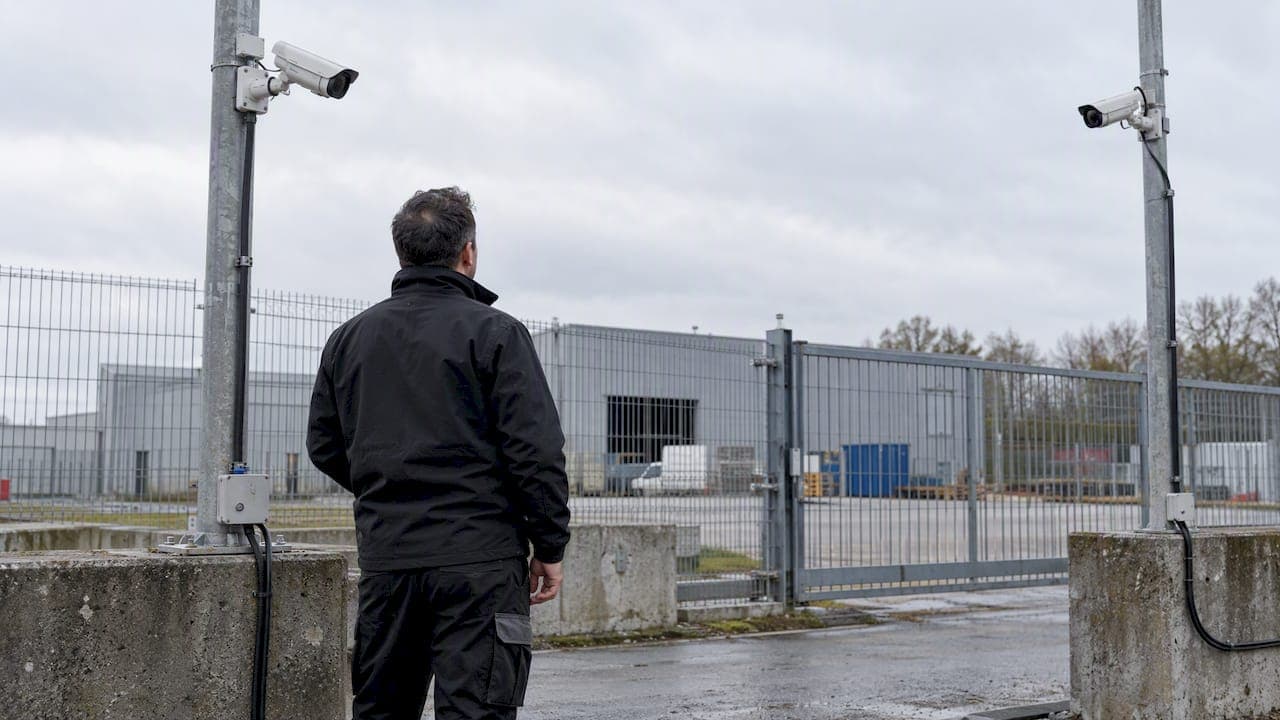
30–90 Day Pilot Validates Redundant Camera Networks for Engineers
Standards led, practical steps for engineers to deploy redundant camera networks: MRP, dual homing, and aggregation patterns, commissioning checks, and...
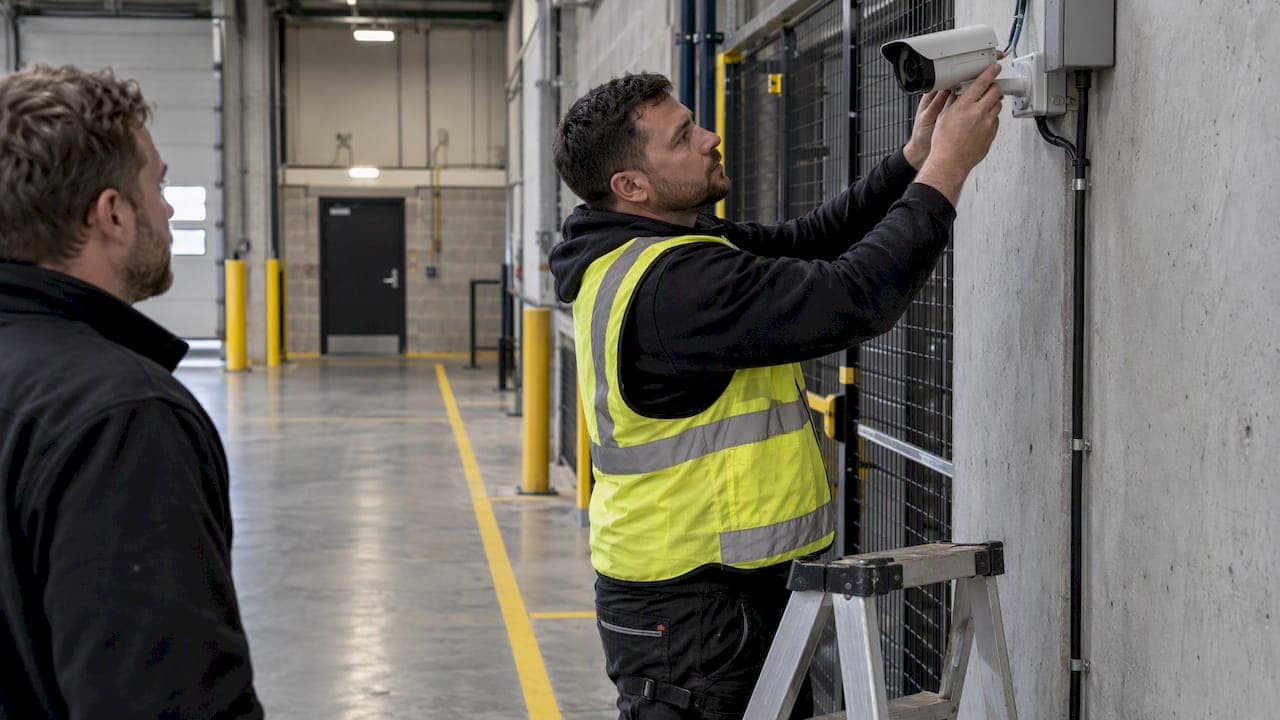
30 Day Pilot Proves Video Analytics Accuracy for Security Teams
Validate video analytics accuracy with scenario tests, camera tuning, transfer learning and a 30 day edge first pilot for security teams.
Let's Build YourSecurity Ecosystem.
Whether you're a System Integrator, Solution Provider, or an End-User looking for trusted advisory, our team is ready to help you navigate the BeyondSensor landscape.
Direct Advisory
Connect with our regional experts for tailored solutioning.