
Master efficient monitoring with our sensor deployment guide. Transform signals into actionable intelligence with expert insights for security professionals.

Sensor Deployment Guide for Security Professionals 2026

TL;DR:
- Effective sensor deployment depends on aligning sensors with documented failure modes and validating RF on-site for reliable data collection. Regular maintenance planning and integration with CMMS are essential for sustained operation and actionable insights. Phased deployment and ongoing tuning increase the likelihood of long-term success and return on investment.
Sensor deployment is the systematic process of planning, installing, and configuring sensors to monitor environments for security and operational needs. Done correctly, this process transforms raw physical signals into prioritized, actionable intelligence. Done poorly, it generates noise that paralyzes operations. This sensor deployment guide covers every phase: site assessment, sensor selection aligned with failure modes, physical installation, network configuration, and CMMS integration. Tools like LoRaWAN, Zigbee, and Cisco Active Sensors each serve distinct use cases, and choosing the wrong one at the planning stage costs far more than the hardware itself.
What are the essential prerequisites for sensor deployment planning?
Effective sensor deployment starts with a detailed site audit, not a hardware order. Walk every zone you intend to monitor. Map critical assets, identify failure modes using Failure Mode and Effects Analysis (FMEA), and document environmental conditions like temperature ranges, RF obstructions, and access constraints. Skipping this step is the single most common reason deployments fail to deliver useful data.
Sensor selection must follow directly from your FMEA results. Mismatched sensors produce data overload; every anomaly should trigger a prioritized work order, not a flood of unfiltered alerts. A vibration sensor on a pump with no documented failure mode tied to vibration tells you nothing actionable.
Wireless protocol selection is equally critical at this stage. LoRaWAN suits long-range, low-bandwidth applications like perimeter monitoring across large industrial sites. Wi-Fi handles high-data sensors in dense indoor environments. Zigbee works well for short-range mesh networks in warehouses or data centers. The table below compares these options by deployment context.
| Protocol | Range | Bandwidth | Best use case |
|---|---|---|---|
| LoRaWAN | Up to several km | Very low | Perimeter, outdoor, wide-area monitoring |
| Wi-Fi | 30–100 m | High | Indoor, high-data sensors, camera integration |
| Zigbee | 10–100 m | Medium | Mesh networks, warehouse, smart building |
Pro Tip: Run your FMEA before you finalize your sensor budget. The failure modes you identify will determine sensor types, quantities, and placement, and that directly shapes your network protocol choice.
Industrial IoT sensor costs have dropped 85% since 2019, with vibration nodes now available for under $50. That cost reduction makes positive ROI achievable on assets valued over $5,000. The economics now favor broader coverage, but only if sensor placement is grounded in documented failure modes.
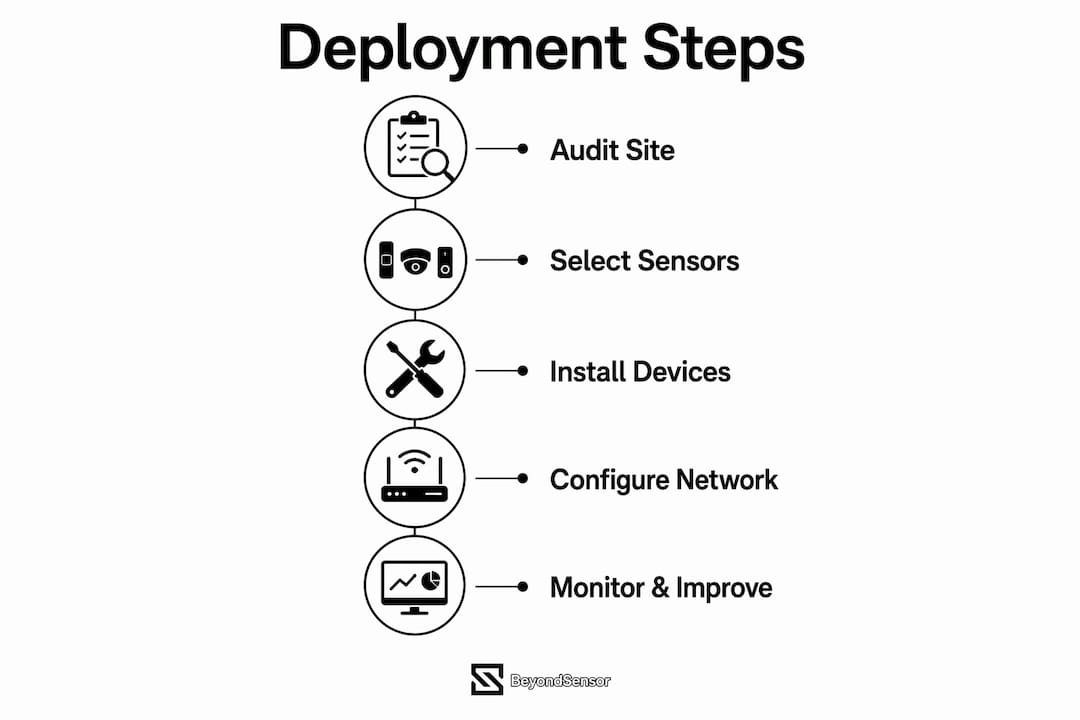
How to execute effective sensor installation and physical deployment?
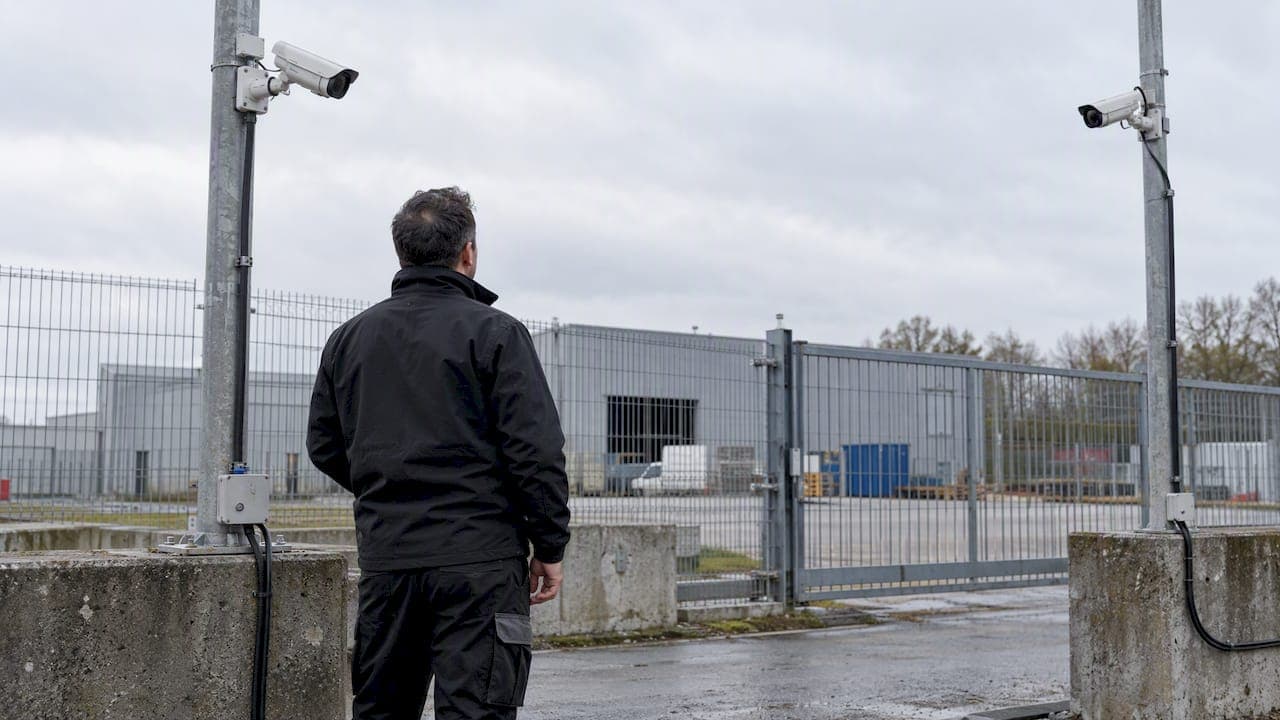
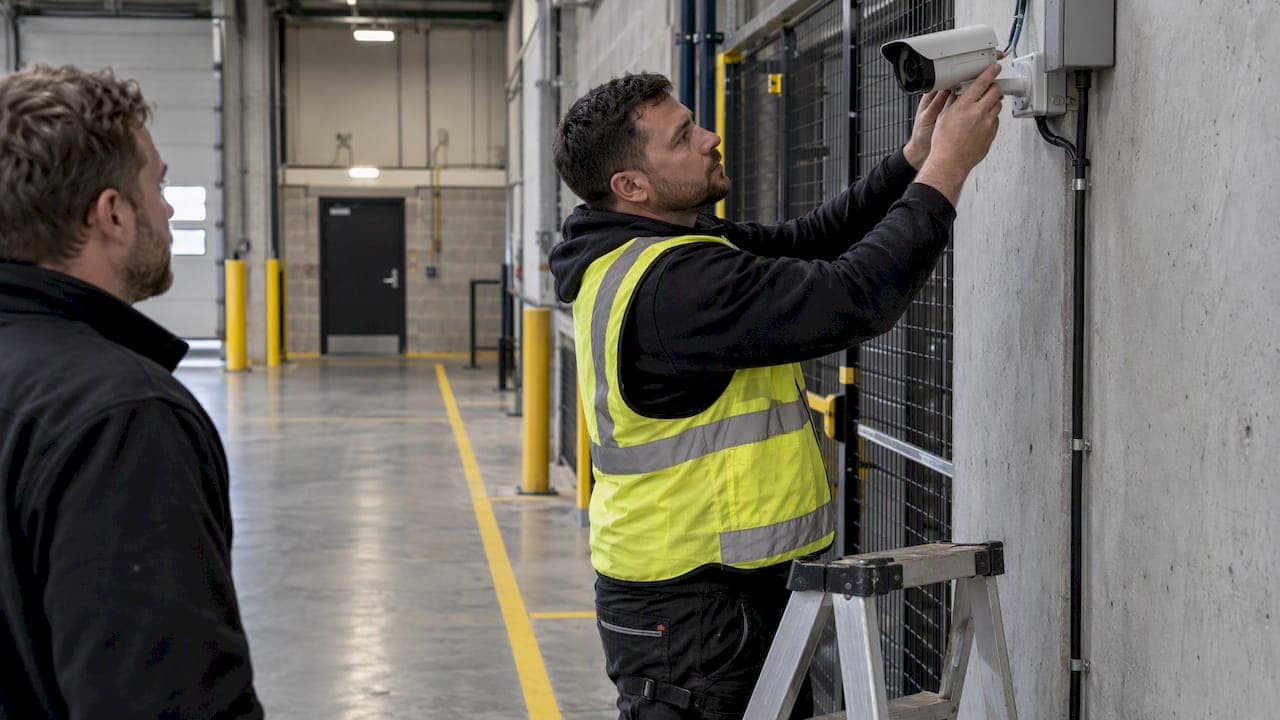
Physical installation is where planning either pays off or falls apart. Mounting height and location directly determine data validity. Indoor sensors should mount between 22 and 47 inches from the floor. Outdoor air sensors require placement at least 3 feet above ground to avoid measurement interference from surface heat and debris. These are not suggestions. They are validated thresholds that protect data integrity.

Site selection requires equal discipline. Avoid placing sensors near structures, dense vegetation, or equipment that filter or bias measurements. A motion sensor mounted behind a structural column misses half its detection zone. A temperature sensor placed next to an HVAC vent reads the vent, not the room. Free airflow and unobstructed line of sight are non-negotiable for valid readings.
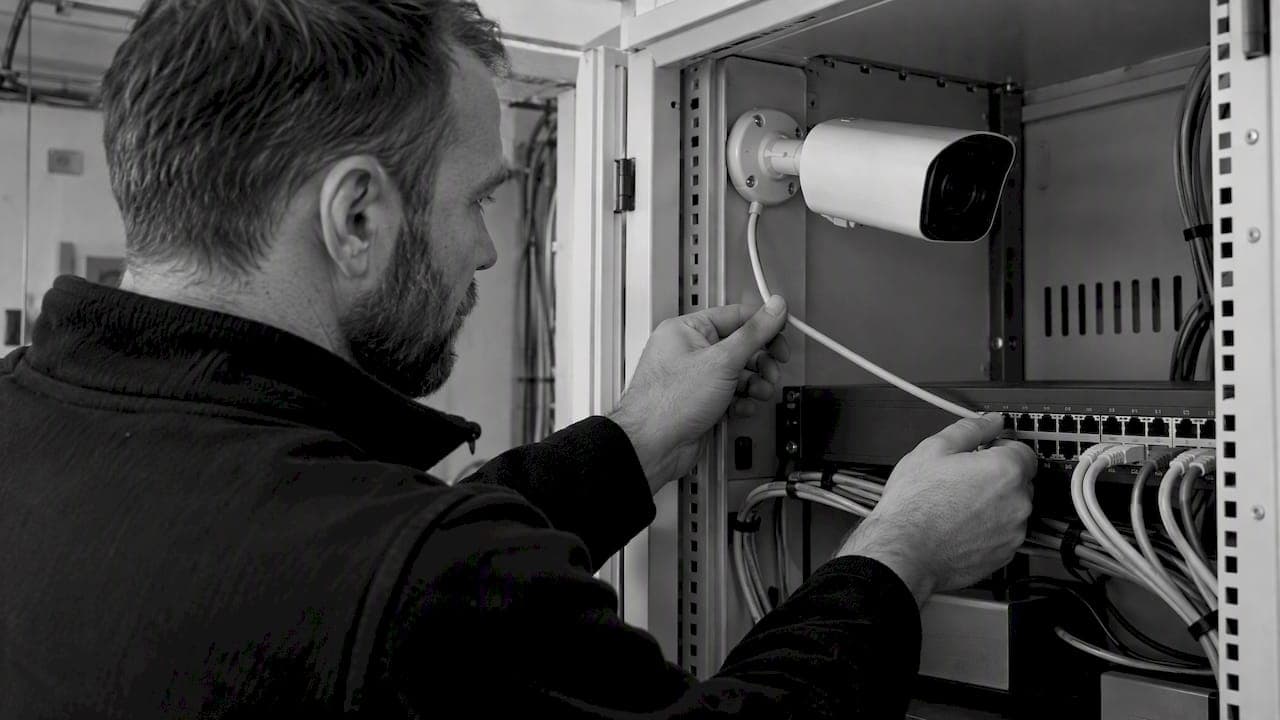
Signal quality validation must happen on-site, not on paper. Empirical measurements outperform link budget formulas because RF materials cause unpredictable fading in industrial environments. Conduct drive tests or walk-test surveys with your actual hardware before finalizing node positions. Concrete walls, metal racking, and HVAC ducting all attenuate signals in ways that theoretical models underestimate.
Ignoring maintenance access during installation drives up operational costs over the life of the deployment. Plan for battery replacement and calibration access from day one. A sensor mounted 20 feet up on a structural beam may offer perfect RF coverage but require a lift truck for every battery swap. That tradeoff must be evaluated before the sensor goes up, not after.
The checklist below covers the core installation steps every security deployment team should follow.
- Confirm mounting height meets indoor (22–47 inches) or outdoor (>3 ft) standards
- Verify unobstructed line of sight or free airflow at each sensor location
- Conduct on-site RF walk tests before finalizing node positions
- Document GPS coordinates or floor plan positions for every sensor
- Confirm maintenance access for battery replacement and calibration
- Label every node with a unique identifier tied to your asset register
Pro Tip: Never finalize a sensor location based solely on RF signal strength. A location that scores well on a walk test but requires scaffolding for maintenance will cost you more in labor over two years than the sensor itself.
For industrial security sensor placement, the physical installation phase also determines your long-term data reliability. A well-mounted sensor in the right location produces consistent baselines. Consistent baselines make anomaly detection meaningful.
What network configuration and integration practices ensure reliable sensor operation?
Network configuration is where many deployments quietly degrade after a strong installation. The most common failure is treating the network as a set-and-forget layer. LoRaWAN deployments require active tuning of Spreading Factor (SF), Bandwidth (BW), and Coding Rate (CR) to balance range, data rate, and battery consumption. Over-the-Air Activation (OTAA) is the preferred join method for security deployments because it generates unique session keys per join, reducing replay attack risk.
Multi-node deployments present a distinct network engineering challenge. Standardize node profiles across your deployment to simplify firmware updates and troubleshooting. Adjust reporting intervals, for example shifting from 5-minute to 15-minute cycles, to extend battery life and prevent channel congestion. Stagger node commissioning to avoid join storms, where hundreds of nodes attempt network registration simultaneously and overwhelm the gateway.
CMMS integration is the step that converts sensor data into operational value. Integrating IoT alerts directly into CMMS pipelines auto-generates work orders and prevents dashboard fatigue from unmonitored data streams. Without this integration, your security team monitors a dashboard manually. With it, the system dispatches a technician automatically when a sensor crosses a threshold. That difference defines whether your deployment produces ROI or just data.
The network best practices below apply across LoRaWAN, Wi-Fi, and Zigbee deployments.
- Standardize node profiles to simplify firmware management across large deployments
- Stagger node commissioning to prevent join storms on LoRaWAN networks
- Tune SF, BW, and CR settings based on empirical site measurements, not defaults
- Use OTAA for all security-critical LoRaWAN nodes
- Set edge computing headroom at 40% to handle peak data bursts without packet loss
- Integrate all sensor alerts into your CMMS for automated work order generation
For teams managing must-have industrial security features, network configuration is not a one-time task. It requires scheduled reviews as your asset base and threat profile evolve.
Which common troubleshooting approaches prevent deployment pitfalls?
Most sensor deployment failures trace back to three root causes: poor siting, sensor types misaligned with failure modes, and no plan for lifecycle maintenance. Identifying which problem you have determines the fix.
Signal blind spots are the most frequent complaint after go-live. Before assuming hardware failure, check physical obstructions added after installation, such as new shelving, machinery, or temporary structures. RF environments in active facilities change constantly. A node that had clean signal at commissioning may be blocked six months later by a new storage rack. Re-run walk tests quarterly in dynamic environments.
Node disconnections in LoRaWAN networks often stem from join storms or misconfigured duty cycles. Staggering node activations during commissioning prevents the most common cause of mass disconnection events. If nodes drop off intermittently rather than all at once, check battery levels and reporting interval settings first.
Data overload is a symptom of skipped FMEA work. When every sensor fires alerts without a mapped failure mode, the volume of notifications exceeds what any team can act on. The fix is not to silence alerts. The fix is to go back to your asset register, document the failure modes each sensor is meant to detect, and reconfigure alert thresholds accordingly.
Pro Tip: Run a pilot on one sensor class before full rollout. Validating one sensor type first prevents cascading misconfigurations across your entire network and gives you real data to optimize placement before you commit to scale.
Phased deployment is not a sign of indecision. It is the most reliable method for catching site-specific issues before they multiply across a full installation.
How to measure deployment success and plan for continuous improvement?
Deployment success is measurable from day one if you define your KPIs during the planning phase. Signal uptime, anomaly detection rate, and maintenance ticket reduction are the three metrics that matter most for security sensor networks. Track them monthly for the first six months, then quarterly once the deployment stabilizes.
Small to medium facility deployments typically take 2–4 weeks. Large industrial deployments run 6–10 weeks. Pilot programs can be operational within days. These timelines set realistic expectations for stakeholders and help you schedule validation tests at the right intervals.
Post-installation calibration is not optional. Sensors drift over time, particularly temperature and humidity units in environments with wide seasonal variation. Schedule calibration checks at manufacturer-recommended intervals and document results in your CMMS. Calibration records also support compliance audits, which is a direct benefit for teams operating under safety and compliance standards in 2026.
ROI tracking should connect directly to your CMMS work order data. Count the number of predictive maintenance actions triggered by sensor alerts versus reactive repairs. The gap between those two numbers is your deployment's financial return. For facilities investing in fire safety and sensor infrastructure, documented ROI also strengthens the case for budget expansion in subsequent phases.
Key Takeaways
Effective sensor deployment requires FMEA-aligned sensor selection, empirical RF validation, and CMMS integration to convert sensor data into prioritized, dispatched repair actions.
| Point | Details |
|---|---|
| Start with FMEA | Match every sensor to a documented failure mode before purchasing hardware. |
| Validate RF on-site | Conduct walk tests with actual hardware; never rely on theoretical link budgets. |
| Plan maintenance access | Choose sensor locations that allow battery replacement and calibration without special equipment. |
| Integrate with CMMS | Route all sensor alerts into automated work order pipelines to prevent dashboard fatigue. |
| Deploy in phases | Pilot one sensor class first to catch misconfigurations before full rollout. |
Why I think most sensor deployments fail before the first node goes up
The most expensive mistake I see in sensor deployment is treating it as a hardware problem. Teams spend weeks evaluating sensor brands, comparing LoRaWAN gateways, and debating Wi-Fi versus Zigbee. Then they skip the FMEA. They install sensors in locations that feel logical rather than locations tied to documented failure modes. Six months later, the dashboard is full of alerts that no one acts on, and the project gets labeled a failure.
The second pattern I keep seeing is the "set it and forget it" network. LoRaWAN in particular requires ongoing tuning. SF and BW settings that worked at commissioning may not be optimal after the facility layout changes. Teams that schedule quarterly RF reviews catch degradation early. Teams that don't end up with dead zones they discover only after a security incident.
What actually works is the combination of upfront failure mode alignment, phased deployment, and CMMS integration from day one. The phased approach is underrated. Running a pilot on a single sensor class before full rollout is not slow. It is the fastest path to a deployment that actually performs at scale. Every hour spent validating one node type saves days of troubleshooting across a hundred nodes.
The professionals who get this right treat sensor deployment as an ongoing engineering discipline, not a one-time installation project. They reevaluate site conditions, recalibrate sensors on schedule, and tune network settings as the environment evolves. That mindset is what separates deployments that deliver sustained ROI from those that collect dust on a dashboard.
— Eumir
Take your sensor deployment further with Beyondsensor
Beyondsensor works directly with system integrators to move sensor deployments from plan to production with fewer surprises. The platform combines AI-driven monitoring, hardware-software integration, and regional validation across Singapore, Malaysia, and the Philippines to give your team the tools and local expertise that generic vendors cannot match.

Whether you are commissioning a pilot program or scaling across multiple facilities, Beyondsensor's system integrator solutions connect your sensor infrastructure to intelligent workflows that generate prioritized alerts, not noise. Explore the full suite of deployment and monitoring tools to see how Beyondsensor supports every phase of your sensor deployment workflow.
FAQ
What is a sensor deployment guide?
A sensor deployment guide is a structured framework covering site assessment, sensor selection, physical installation, network configuration, and CMMS integration. It gives security professionals a repeatable workflow for deploying sensors that produce valid, actionable data.
How long does a sensor deployment take?
Small to medium facility deployments typically take 2–4 weeks. Large industrial deployments run 6–10 weeks. Pilot programs can be operational within days, making phased rollouts the fastest path to validated full-scale deployment.
What wireless protocol is best for security sensor networks?
LoRaWAN suits wide-area and outdoor perimeter monitoring. Wi-Fi handles high-data indoor sensors. Zigbee works best for short-range mesh networks in warehouses. Protocol choice depends on range, data volume, and the physical environment of each deployment.
Why do sensor deployments fail to deliver useful data?
The most common cause is deploying sensors without matching them to documented failure modes. Without FMEA alignment, sensors generate alerts that have no mapped action, which leads to dashboard fatigue and ignored notifications.
How do you measure sensor deployment success?
Track signal uptime, anomaly detection rate, and maintenance ticket reduction monthly for the first six months. Connect CMMS work order data to sensor alerts to quantify the ratio of predictive to reactive repairs. That ratio is your deployment's direct ROI indicator.
Recommended
- How to Secure Sensor Networks: 2026 IT Guide | News | BeyondSensor
- Remote Sensor Monitoring Guide for Decision-Makers | News | BeyondSensor
- Top sensor security tips for safety & compliance 2026 | News | BeyondSensor
- Intelligent sensing deployment process: A guide for tech leaders | News | BeyondSensor
Read More Articles
RTSP Security Risks: Integrators Must Block Exposed Ports 554 and 8554
See how integrators can reduce RTSP security risks: close exposed ports 554 and 8554, secure camera access, and verify each deployment with practical checks.

Require MAEpp and X Accuracy Before You Buy People Counting Systems
Verify people counting accuracy by demanding MAEpp, X Accuracy, and directional-bias reports. Validate on-site with at least 100 events per direction...
30–90 Day Pilot Validates Redundant Camera Networks for Engineers
Standards led, practical steps for engineers to deploy redundant camera networks: MRP, dual homing, and aggregation patterns, commissioning checks, and...
30 Day Pilot Proves Video Analytics Accuracy for Security Teams
Validate video analytics accuracy with scenario tests, camera tuning, transfer learning and a 30 day edge first pilot for security teams.
Let's Build YourSecurity Ecosystem.
Whether you're a System Integrator, Solution Provider, or an End-User looking for trusted advisory, our team is ready to help you navigate the BeyondSensor landscape.
Direct Advisory
Connect with our regional experts for tailored solutioning.