
Discover why security audits are essential for effective risk management. Uncover benefits that strengthen compliance and enhance security.

Why Security Audits Are Essential for Risk Management

TL;DR:
- Security audits verify the effectiveness of an organization’s security controls through independent evaluation. They identify vulnerabilities, support compliance, and enhance trust with stakeholders, leading to better risk management. Proper preparation, continuous follow-up, and integrating audit insights into business practices maximize their strategic value.
Security audits are defined as systematic, independent evaluations that verify whether an organization's security controls actually work, not just whether they are documented. For security professionals and facility owners, understanding why security audits are essential goes far beyond satisfying a compliance checkbox. Audits translate your technical security posture into measurable risk metrics that leadership can act on, budgets can reflect, and customers can trust. Frameworks like SOC 2, ISO 27001, HIPAA, and PCI DSS all require periodic audits precisely because documentation alone never proves effectiveness. The organizations that treat audits as strategic tools, rather than annual obligations, consistently outperform peers in risk reduction and business outcomes.
Why security audits are essential: core benefits
Regular security audits deliver advantages that extend well past regulatory compliance. The most direct benefit is risk identification. Audits surface vulnerabilities that internal teams, often too close to the systems they manage, routinely miss. That familiarity bias is one of the most dangerous blind spots in any security program.
The business case for audits is also concrete. Current security audit reports reduce sales cycle friction by 40–60% with enterprise buyers requiring vendor security assessments. That figure means a single audit report can accelerate revenue by months. One documented fintech case remediated 23 security findings in 90 days, achieved SOC 2 Type II certification within nine months, and closed more than $4 million in deals directly tied to that certification.
Beyond revenue, the compliance benefits are significant:
- HIPAA compliance: Audits verify that protected health information controls meet federal requirements, reducing breach liability.
- GDPR alignment: Audits confirm data handling practices match documented privacy policies, a gap that regulators penalize heavily.
- PCI DSS validation: Payment card environments require periodic audits to maintain certification and avoid processing penalties.
- ISO 27001 and NIST alignment: Audit certificates aligned with these frameworks accelerate vendor approval processes significantly.
Audits also build trust with customers, partners, and regulators in ways that no internal assurance program can replicate. An independent finding carries weight that a self-assessment simply does not. For facility owners operating in regulated industries across Southeast Asia, understanding security compliance frameworks is the foundation for knowing which audit type your organization actually needs.
Pro Tip: Request a pre-audit readiness review before your formal engagement begins. Identifying documentation gaps early prevents delays and keeps auditors focused on deep analysis rather than chasing paperwork.
How do audits improve risk management and operations?
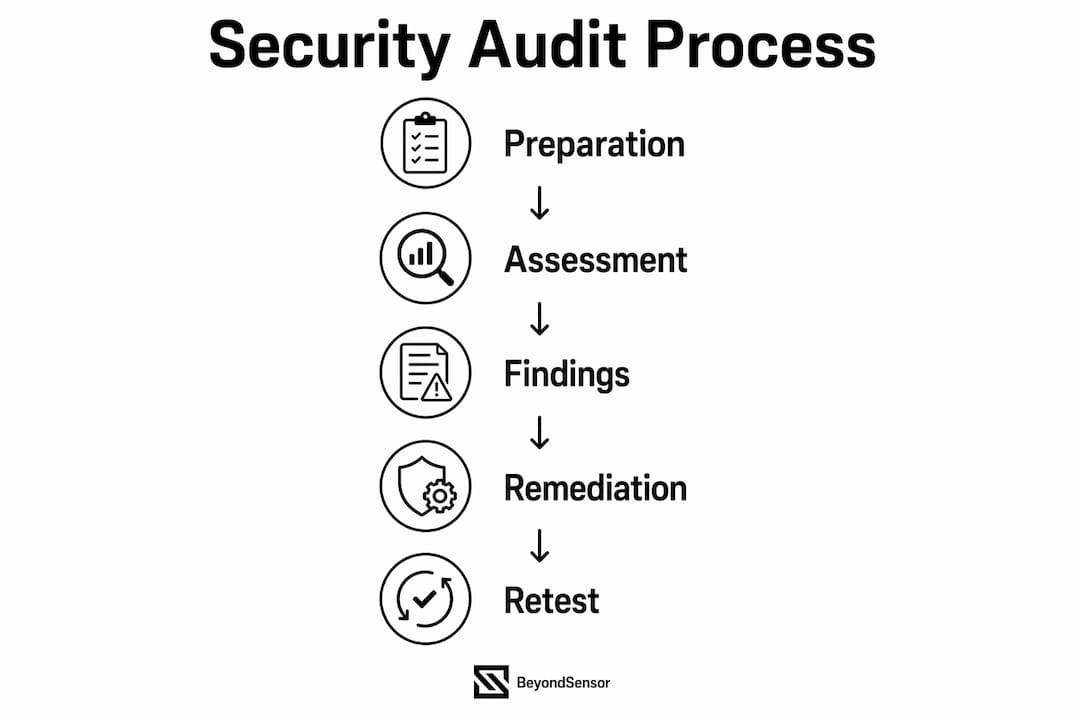
Security audits improve organizational risk management by converting technical findings into language that executives and budget holders understand. Executive leadership benefits directly from audit results that translate technical security into tangible risk metrics for better budgeting and prioritization. A finding labeled "unpatched CVE-2024-1234" means little to a CFO. A finding labeled "critical vulnerability exposing customer payment data, estimated remediation cost $15,000, potential breach liability $2.4 million" drives decisions.

Audits also validate that controls are functioning, not just filed. Audits reveal organizational blind spots and confirm that security controls are working rather than just documented. This distinction matters because many organizations invest in security tools that are misconfigured, underutilized, or simply not enforced in practice. An audit catches that gap before an attacker does.
The remediation phase is where audits generate lasting value. An effective audit process includes remediation and retesting, not just producing a report. Retesting confirms that fixes actually closed the vulnerability rather than creating new ones. Organizations that skip retesting often discover during their next audit that the same finding reappears, which signals a systemic process failure, not just a technical one.
Regular audits foster a culture of accountability, preventing the gap between policy and practice that leaves organizations exposed. When staff know that controls will be independently verified, adherence improves. That behavioral shift is one of the most underrated security benefits an audit program delivers.
Pro Tip: Build remediation deadlines directly into your audit contract. Auditors who commit to a retest within 60–90 days of the final report keep your team accountable and your findings from aging into ignored backlog items.
What types of security audits should you conduct?
Different audit types serve distinct purposes, and a mature security program uses several in combination. The table below outlines the most common types and their primary roles.
| Audit Type | Primary Role | Typical Trigger |
|---|---|---|
| Internal audit | Baseline control verification by in-house team | Quarterly or ongoing |
| External (independent) audit | Objective third-party validation of controls | Annual or pre-certification |
| Cybersecurity audit | Technical assessment of digital attack surface | Annual or post-incident |
| IT security audit | Broader review of infrastructure, policies, and access | Annual or major system change |
| Tools-optimization audit | Identifies redundant software and budget waste | Annual or post-merger |
| Compliance audit | Verifies adherence to HIPAA, GDPR, PCI DSS, ISO 27001 | Regulatory cycle |
Internal and external audits are complementary, not interchangeable. Internal audits provide continuous monitoring and catch drift between scheduled external reviews. External audits provide the independent credibility that customers, regulators, and enterprise buyers require. Running only one type leaves a gap.
Tools-optimization audits deserve more attention than they typically receive. Audits enable organizations to identify redundant security tools and optimize budgets by reallocating funds to higher-impact initiatives. Many organizations accumulate overlapping endpoint protection, SIEM, and identity management tools through acquisitions and vendor expansions. A tools audit can recover significant budget while actually improving coverage.
Security audits are ongoing, evolving processes that must keep pace with changing threats and infrastructure. Most frameworks recommend annual audits at minimum, with event-triggered reviews following significant infrastructure changes, mergers, or security incidents. For physical security environments, validating sensor coverage and access control integrity after any facility modification is a non-negotiable step. Beyondsensor's guidance on physical security best practices covers how audit cycles align with physical control validation.
Security audit best practices: how to prepare and maximize value
Preparation is the single largest driver of audit efficiency. Organizations that prepare well for security audits complete them 30–40% faster and gain more actionable, high-impact findings. That time savings translates directly into lower audit costs and faster certification timelines.
Follow these steps to maximize audit value from the start:
- Compile documentation in advance. Gather network diagrams, access control policies, incident response plans, and previous audit reports before the engagement begins. Auditors who receive complete documentation focus on analysis rather than document collection.
- Define scope clearly. Specify which systems, facilities, and processes are in scope. Scope creep extends timelines and dilutes findings.
- Assign an internal audit liaison. One point of contact who can answer auditor questions in real time prevents delays and miscommunication.
- Prioritize findings by business risk. Not every finding carries equal weight. Work with auditors to classify findings by severity and potential business impact, then build a remediation roadmap accordingly.
- Schedule retesting before the audit closes. Confirm the retesting phase is included in the engagement scope. Remediation without verification is incomplete.
- Integrate audit cycles into annual budgeting. Treat audit costs as a fixed operational line item, not a reactive expense. Organizations that budget for audits proactively avoid the scramble that leads to rushed, low-value engagements.
A common misconception is that audits exist only to satisfy compliance requirements. That view misses the strategic value entirely. Audits uncover blind spots that internal teams cannot see, validate that controls work under real conditions, and produce the independent evidence that enterprise buyers and regulators require. For organizations preparing for a formal review, practical guidance on how to prepare for a safety audit provides a useful operational framework alongside the technical preparation steps above.
Integrating audit findings into continuous security improvement means treating the final report as a starting point, not a finish line. Each finding should feed into your risk register, inform the next budget cycle, and trigger a policy review if a gap between documentation and practice is identified.
Key takeaways
Security audits are the most reliable mechanism for verifying that your security controls work in practice, not just on paper, making them indispensable for risk management, compliance, and business credibility.
| Point | Details |
|---|---|
| Audits accelerate business outcomes | Current audit reports reduce enterprise sales cycle friction by 40–60%, directly supporting revenue. |
| Preparation drives efficiency | Well-prepared organizations complete audits 30–40% faster, lowering costs and speeding certification. |
| Remediation and retesting are required | An audit that ends at the report stage leaves vulnerabilities unconfirmed as fixed. |
| Audit types serve different roles | Internal, external, cybersecurity, and tools-optimization audits each address distinct security gaps. |
| Audits build accountability culture | Independent verification closes the gap between documented policies and actual security practices. |
The audit conversation most organizations are not having
I have worked with facility owners and security teams across multiple industries, and the pattern I see most often is this: organizations treat their first audit as a crisis and their second as a formality. Neither approach is right.
The first audit reveals how far documented policies have drifted from operational reality. That gap is almost always larger than anyone expects. Access control lists with terminated employees still active, sensor coverage maps that do not reflect recent facility expansions, incident response plans that no one has tested in two years. These are not edge cases. They are standard findings.
The second audit, when treated as a formality, produces a clean report that masks slow drift. Teams know what auditors look for and prepare accordingly. The result is a certification that reflects audit readiness, not actual security posture.
The organizations I have seen get genuine value from audits are the ones that use findings to drive quarterly security reviews, not annual ones. They treat the audit report as a living document. They assign remediation owners with deadlines, not just recommendations. And they ask their auditors the uncomfortable question: "What did we almost miss?"
Growing external audit demands from enterprise buyers and government agencies in 2026 mean that audit readiness is now a competitive requirement, not just a compliance one. The organizations building that readiness into daily operations are the ones that will close deals faster, satisfy regulators more efficiently, and respond to incidents with documented, tested controls rather than improvised responses.
— Eumir
How Beyondsensor supports your security audit program
Beyondsensor builds the sensing infrastructure and AI-powered tools that make audit preparation faster and findings more defensible. When your physical security controls are backed by real-time sensor data, access logs, and automated compliance reporting, auditors spend less time verifying documentation and more time validating actual control effectiveness.

Beyondsensor's security tools platform integrates directly with audit workflows, providing the data trails, anomaly detection records, and coverage validation reports that auditors require. For system integrators managing multi-site deployments, Beyondsensor's AI solutions for integrators support audit-ready configurations from initial deployment. If your next audit cycle is approaching, Beyondsensor gives your team the technical foundation to enter it prepared.
FAQ
What is a security audit?
A security audit is a systematic, independent evaluation of an organization's security controls, policies, and infrastructure to verify they function as documented. Audits produce findings that organizations use to remediate vulnerabilities and demonstrate compliance with frameworks like SOC 2, ISO 27001, and PCI DSS.
How often should organizations conduct security audits?
Most compliance frameworks recommend annual audits at minimum, with additional event-triggered reviews following major infrastructure changes, incidents, or mergers. Organizations operating in regulated industries often require more frequent assessments to maintain certification.
What is the difference between an internal and external security audit?
Internal audits are conducted by in-house teams and provide continuous control monitoring between formal review cycles. External audits are performed by independent third parties and produce the objective credibility that regulators, enterprise buyers, and certification bodies require.
How do security audits support compliance with HIPAA, GDPR, and PCI DSS?
Security audits verify that technical and administrative controls meet the specific requirements of each framework, identifying gaps before regulators do. Audit certificates aligned with NIST, ISO 27001, or SOC 2 also accelerate vendor approval processes with enterprise partners.
What happens after a security audit is completed?
An effective audit process includes a remediation phase where identified vulnerabilities are addressed, followed by retesting to confirm fixes are effective. Organizations that skip retesting risk the same findings reappearing in subsequent audits, signaling unresolved systemic gaps.
Recommended
- Security compliance: why it matters and how to master it | News | BeyondSensor
- How to Evaluate Security Threats: A Practical Guide | News | BeyondSensor
- Physical security best practices: strategies for safer facilities | News | BeyondSensor
- The Role of Data Analytics in Security Operations | News | BeyondSensor
Read More Articles

RTSP Security Risks: Integrators Must Block Exposed Ports 554 and 8554
See how integrators can reduce RTSP security risks: close exposed ports 554 and 8554, secure camera access, and verify each deployment with practical checks.

Require MAEpp and X Accuracy Before You Buy People Counting Systems
Verify people counting accuracy by demanding MAEpp, X Accuracy, and directional-bias reports. Validate on-site with at least 100 events per direction...
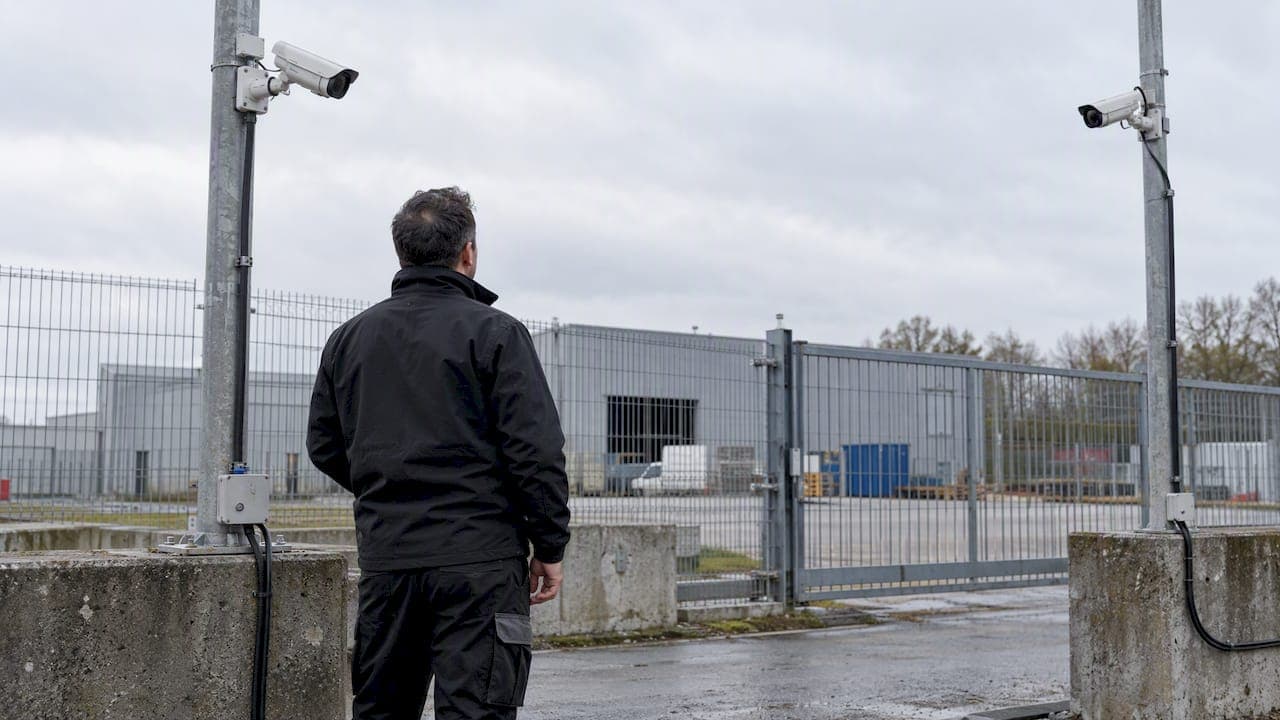
30–90 Day Pilot Validates Redundant Camera Networks for Engineers
Standards led, practical steps for engineers to deploy redundant camera networks: MRP, dual homing, and aggregation patterns, commissioning checks, and...
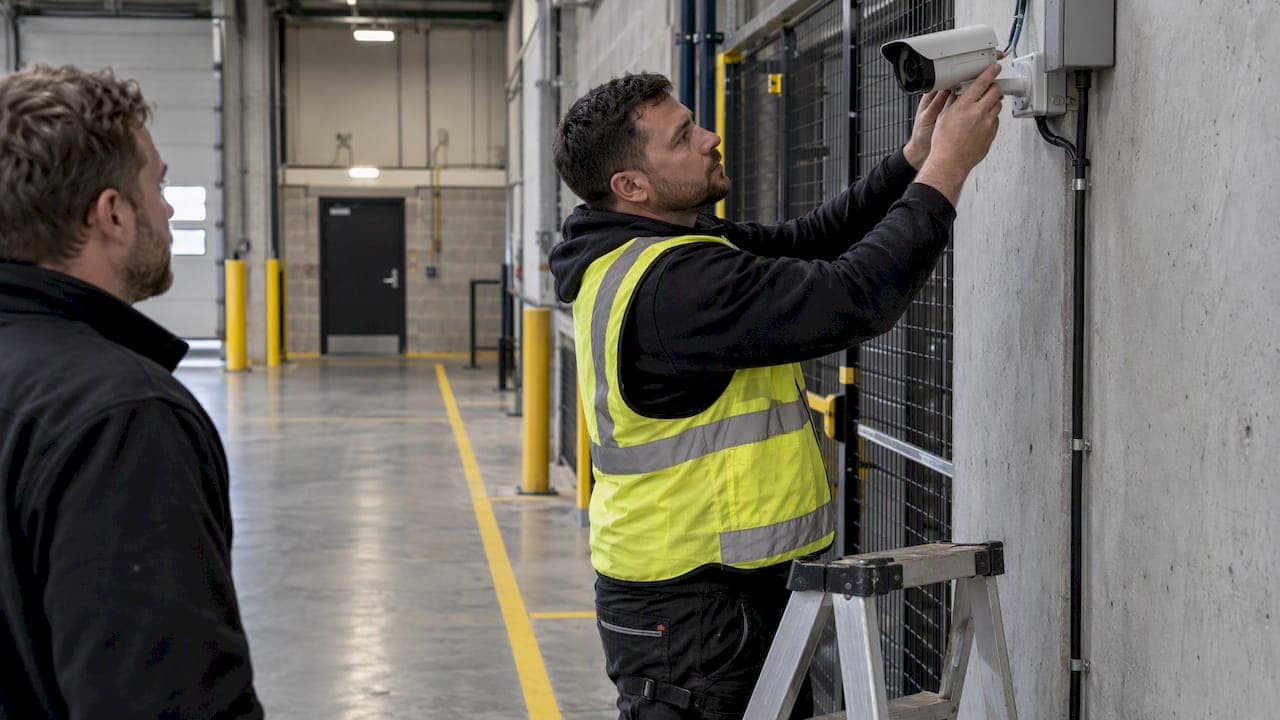
30 Day Pilot Proves Video Analytics Accuracy for Security Teams
Validate video analytics accuracy with scenario tests, camera tuning, transfer learning and a 30 day edge first pilot for security teams.
Let's Build YourSecurity Ecosystem.
Whether you're a System Integrator, Solution Provider, or an End-User looking for trusted advisory, our team is ready to help you navigate the BeyondSensor landscape.
Direct Advisory
Connect with our regional experts for tailored solutioning.